Hosts looking for a stronger cocoa flavour
You want to serve milk chocolate without relying on a vague flavour description. A stated cocoa content for the exact product gives you a clear point of comparison.


To keep the milky character while enjoying a stronger cocoa flavour, choose a milk chocolate bar that states the cocoa content for that specific recipe, rather than relying on the word ‘intense’. If players have different tastes, serve a milk chocolate bar and a dark chocolate bar separately. Check the ingredients and allergens of each before sharing.
You want to serve milk chocolate without relying on a vague flavour description. A stated cocoa content for the exact product gives you a clear point of comparison.
Some players prefer milk chocolate, while others like dark chocolate. Offering two separate bars lets everyone choose, rather than serving the same recipe to the whole table.
Before serving several recipes, you need to be able to check their ingredient lists and allergen information, especially when bars contain added ingredients.
For a game night, start with the group’s tastes, then check the recipe and information on each bar you plan to serve.
| What to consider | What to check | Who is it for? |
|---|---|---|
| Cocoa flavour in milk chocolate | The cocoa content stated for the specific bar. Don’t infer a percentage from the recipe name alone. | You want milk chocolate with a stronger cocoa flavour, without going straight to dark chocolate. Around 36% of consumers would prioritise this. |
| Sharing with other players | The size of the bar to share, and whether it would be worth offering a separate dark chocolate bar if tastes differ. | When the group has different preferences, you want to offer a choice rather than serve just one recipe. Sharing would be the priority for around 29% of consumers. |
| Sugars and nutritional information | The ‘of which sugars’ figure per 100 g and the amount of chocolate actually served. If shown, the Nutri-Score can help you compare products. | You want to check nutritional values when comparing recipes and serving sizes. Around 21% of consumers would put this need first. |
| Allergens and added ingredients | The ingredient list, highlighted allergens and ‘may contain’ statements on each pack. | Before putting chocolate bars on the table, you need to take account of ingredients some guests may need to avoid. This check would be a priority for around 14% of consumers. |
A word describing the flavour doesn’t tell you the percentage. Carrefour states that Lindt Excellence Lait contains 45% cocoa, while Côte d’Or describes the flavour of its milk chocolate without giving a specific percentage.
If cocoa content is important to you, look for the figure on the exact product.
The cocoa percentage doesn’t replace the nutritional information for the recipe you choose.
Compare the ‘of which sugars’ figure per 100 g, then take into account how much you plan to serve. If it appears on the packaging, the Nutri-Score is an additional guide.
Ingredients can vary from one bar to another, particularly when there are added ingredients. The European Commission states that allergens used as ingredients in food sold in the European Union must be clearly indicated.
Read the ingredient list and precautionary statements on each pack before sharing the pieces.
Dark chocolate won’t suit someone looking for milk chocolate with a stronger cocoa flavour. Lindt also lists its dark Excellence bars separately from its milk chocolate recipes.
If not everyone is looking for the same taste, offer both types of chocolate in separate bars.
The Excellence Lait bar listed by Carrefour has a stated cocoa content of 45%.
A 200 g Milka milk chocolate bar is among the recipes listed on Joybuy.
Côte d’Or describes the flavour of its milk chocolate as bold and rich.
Courses U states that its 170 g Nestlé Dessert Lait bar, designed for baking, contains at least 39% cocoa.
This retailer offers several milk chocolate recipes and bar sizes.
This retailer also offers multipacks of Marque Repère/Tablette d’Or milk chocolate bars.
These products are suited to sharing a milk chocolate bar between several players. If a specific cocoa content is your priority, check the percentage for the recipe you’re considering before choosing.
 Image unavailable
This multipack gives you several milk chocolate bars to share with the group. Before sharing, check the label if any guests need to avoid almonds, milk, soya or egg. Also check the cocoa content if it’s important to your choice.
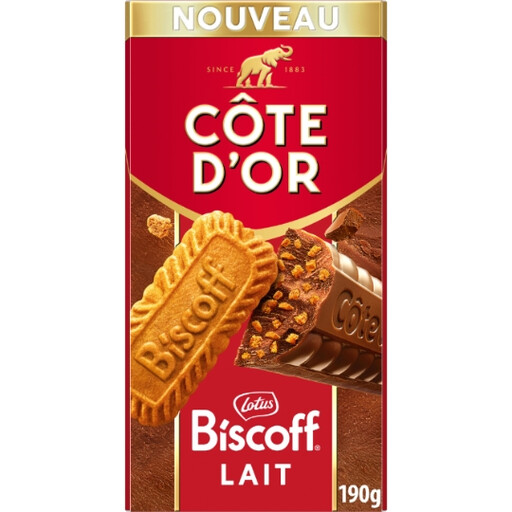 Image unavailable
This filled bar can be broken into pieces to share if the group would enjoy a recipe with biscuits. Check the ingredients, particularly wheat and milk, as well as any statements about nuts. The recipe name doesn’t tell you its cocoa content.
 Image unavailable
Three milk chocolate bars can be offered separately during the game. Check the packaging for milk, hazelnuts, soya and any ‘may contain’ statements. If you’re looking for a specific cocoa percentage, check it for this variant.
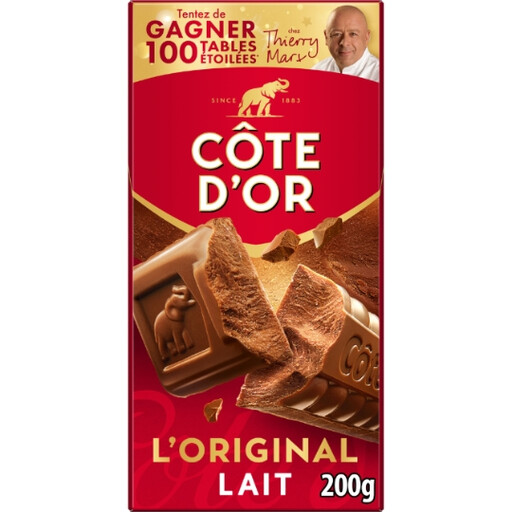 Image unavailable
This milk chocolate bar can be broken into pieces for players who prefer a recipe without a filling mentioned in its name. Check the cocoa content if you want a specific percentage, and look for any statement on the packaging about possible traces of nuts.
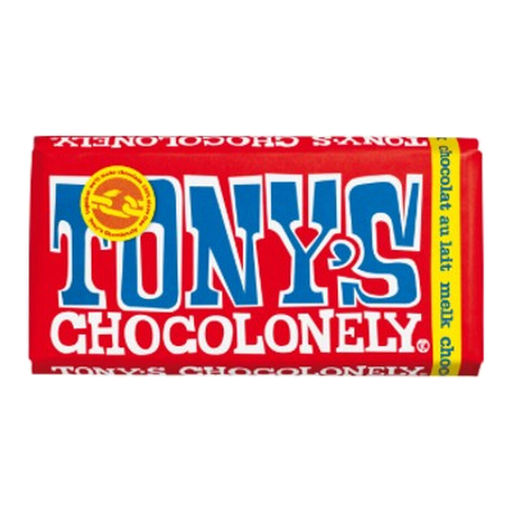 Image unavailable
This 180 g milk chocolate bar is another option to share between players. Check its cocoa content if you’re looking for a particular flavour profile, and read the allergen information before serving.
No. It isn’t a useful way to compare chocolate bars. The Ministry of the Economy and Finance refers to levies on non-alcoholic drinks. When choosing chocolate, check the ‘of which sugars’ figure in the nutritional information for each recipe instead.
No. Manger Bouger presents Nutri-Score as a guide to comparing processed foods. If it appears on the packaging, use it alongside the nutritional values and ingredient list for the specific bar.
Read the ingredients and ‘may contain’ statements on each pack rather than assuming that two recipes from the same brand have the same ingredients. The European Commission states that allergens used as ingredients must be clearly indicated in food sold in the European Union. A Milka bar listed by Joybuy, for example, contains milk, hazelnuts and soya.