
Livraison le jour même ou le lendemain

Qualité garantie

Débloquez vos offres de bienvenue: Livraison GRATUITE | Jusqu'à -80 % | 30 jours d'essai gratuits à JoyPlus
Téléchargez l'application
A game controller is more than just a piece of plastic: it's the extension of your hands into the virtual world. Yet, choosing a new pad can quickly become a headache. Between marketing promises and real-world performance, it's easy to end up with a disappointing model. To avoid any unpleasant surprises, here are the pitfalls to watch out for before you check out.
To ensure you don't regret your purchase, avoid these three common mistakes:
To make the right choice, let's focus on the technical specifications that truly make a difference, controller in hand.
The wired controller vs. wireless controller debate comes down to your priorities.
Ensure the controller is officially compatible with your machine, whether it's a PS5 controller, Switch controller, Xbox controller, or PC controller. For consoles, officially licensed products (from Sony, Microsoft, Nintendo) are a guarantee of absolute peace of mind. On PC, the magic word is XInput: this standard ensures immediate recognition by almost all modern Windows games. Making a smart bet by choosing a model that's already compatible with the future Switch 2 controller can also pay off.
A controller's lifespan isn't judged by its looks, but by the quality of its internal components, especially the joysticks and triggers.
No endless list here, just a curated selection. Each controller is tailored to a specific player profile and checks all the boxes to prevent disappointment.
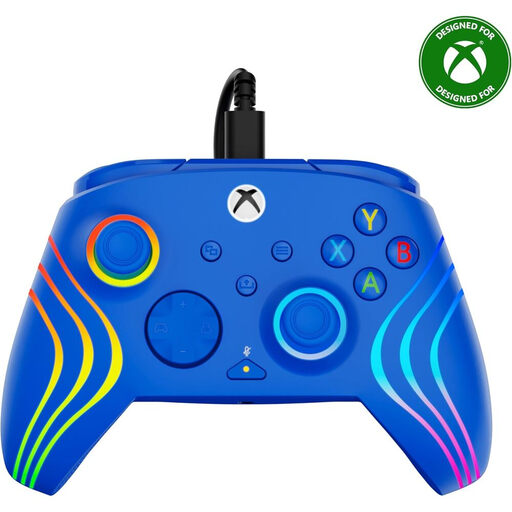
Why we recommend it: Designed for Xbox and PC gamers seeking pure performance and reliability, this controller has it all. Its wired connection ensures flawless responsiveness and uninterrupted sessions, while its advanced features provide a tangible in-game advantage.
It features Hall effect triggers, a technology that prevents wear and loss of precision, taking drift out of the equation. Its official Microsoft license ensures perfect, instant compatibility on Xbox and PC.
Top-tier precision and durability thanks to magnetic sensors. Two programmable quick-action buttons on the back for custom shortcuts.
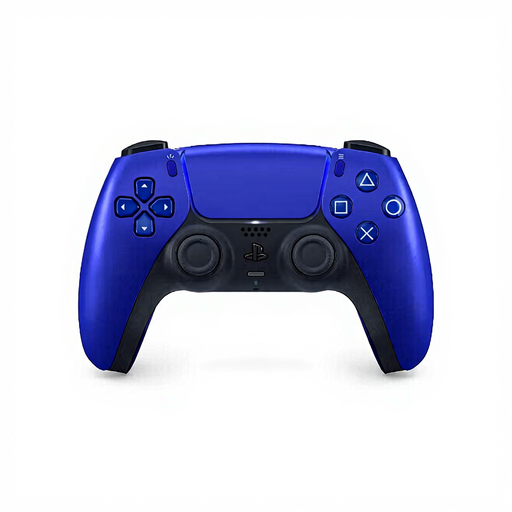
Why we recommend it: For any PS5 owner, the DualSense controller isn't an option, it's a necessity. It's the only one that integrates the immersive technologies that are the console's secret sauce, all in an ergonomic design and a color that stands out from the crowd.
As an official Sony product, compatibility is total and seamless. Its flagship features (haptic feedback, adaptive triggers) are natively supported by developers, delivering an experience designed from the ground up.
The combination of haptic feedback and adaptive triggers provides unparalleled gaming sensations, simulating the tension of a bowstring or the texture of a rough surface. Bonus: it's also compatible with PC and mobile devices.
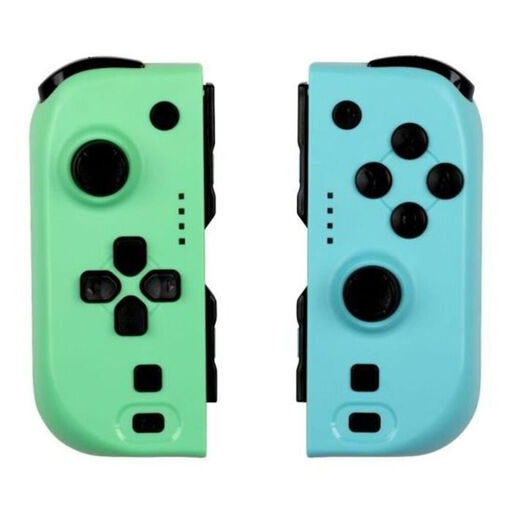
Why we recommend it: A smart alternative for anyone looking for a pair of Joy-Con style controllers without breaking the bank on the official model. It offers identical versatility for playing solo or with others, along with some nice bonuses.
This model lays its cards on the table by clearly stating its specs: 6-axis gyro, dual vibration, and up to 8 hours of battery life. This lets you know exactly what to expect and avoids disappointment.
Broad compatibility (Switch, OLED, and future Switch 2), NFC support, and a Turbo mode. A complete and flexible solution, all at a price point that's often gentler than the original.
We've selected a full range of products that meet our criteria for quality and durability.
It all depends on how often you play and the build quality. With heavy use, traditional joysticks can show signs of weakness (the infamous "drift") within 1 to 2 years. Conversely, models with Hall effect sensors are designed to last much longer, as their non-contact technology is immune to wear.
On paper, yes. A wired controller will always have technically lower latency (response time). In practice, the difference compared to a good bluetooth controller is imperceptible to 99% of players. The choice often comes down to a trade-off between the absolute comfort of wireless and the peace of mind of wired (no battery to manage).
The key thing to look for is the XInput standard. This is the protocol established by Microsoft that guarantees automatic recognition by most modern PC games. Official Xbox controllers are the best example of native compatibility. For others, like Sony's DualSense controller, the connection is seamless via wired or Bluetooth, but be aware: advanced features like haptic feedback are only compatible with a handful of titles on PC.