
Livraison le jour même ou le lendemain

Qualité garantie

Débloquez vos offres de bienvenue: Livraison GRATUITE | Jusqu'à -80 % | 30 jours d'essai gratuits à JoyPlus
Téléchargez l'application
A slamming cabinet door, an ugly scratch on your brand-new hardwood floor, a patio table sliding across the deck... These small, everyday annoyances can really get on your nerves. Fortunately, the solution is often surprisingly simple and cost-effective?: the furniture pad.
Whether you need to protect, stabilise, or simply silence a noisy piece of furniture, choosing the right pad is crucial. We'll guide you to find the perfect solution for your needs, without getting lost in technical jargon.
Before you start, a few simple criteria will ensure you get the most effective furniture protection.
This is the first criterion to evaluate.
The material determines the pad's primary function.
Round, square, black, white... pads come in a multitude of shapes and colours. For visible applications, such as on a glass cabinet door or a picture frame, the clear bumper is the smartest option?: it dampens impacts with complete discretion. Remember to choose a size proportional to the furniture leg or contact surface for a result that is both effective and aesthetically pleasing.
To help you make your choice, here is our selection of products that meet the most common needs.
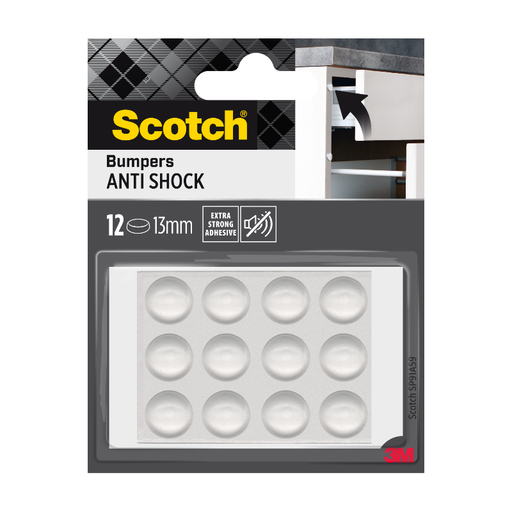
What sets them apart?: These small bumpers are the ideal solution for putting an end to slamming doors and drawers. Their mini format (? 13?mm) and translucent appearance make them nearly invisible on all furniture styles, from the most modern to the most classic. The adhesive is designed for a reliable, long-lasting hold on clean, smooth surfaces.
Advantages:
Who are they for? Perfect for renters and homeowners alike who are looking for a non-invasive solution to quieten noises in the kitchen, bathroom, or wardrobe, without altering the look of their furniture.
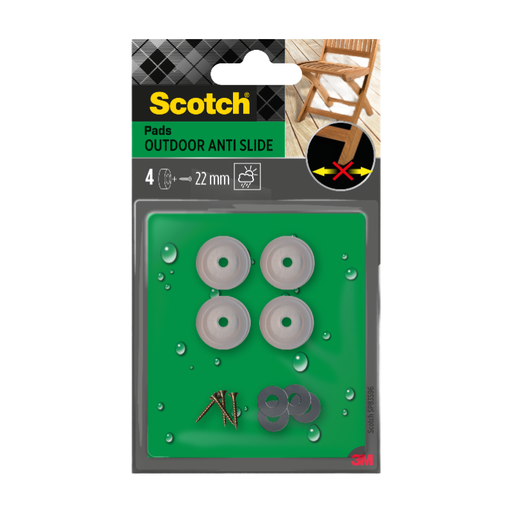
What sets them apart?: This screw-in glide is engineered for toughness. Its screw attachment provides rock-solid stability for heavy or outdoor furniture. The high-quality plastic is resistant to impacts and moisture, and it also functions as an effective non-slip pad on a patio or balcony.
Advantages:
Who are they for? Essential for owners of garden furniture, or for anyone wanting to permanently stabilise heavy indoor furniture (bookcases, sideboards, etc.).
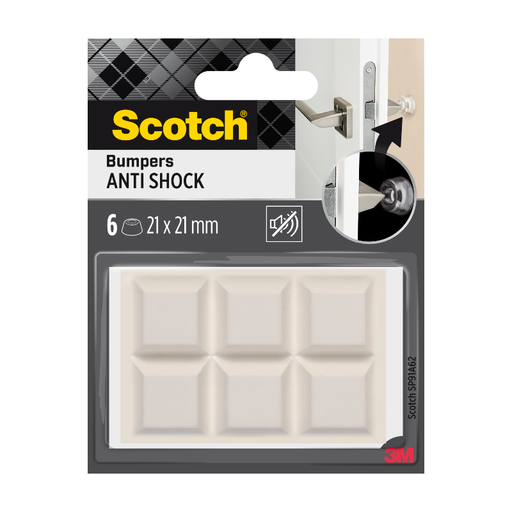
What sets them apart?: With their more generous contact surface (21 x 21?mm), these square bumpers absorb shocks even better than the small round models. They are perfect for larger cabinet doors or as a discreet wall stop to protect walls from door handles. Their translucent design preserves the harmony of your decor.
Advantages:
Who are they for? For those who need a more heavy-duty protection for slightly heavy doors, or who are looking for an all-purpose solution to protect both furniture and walls.
Our selection covers the most common use cases, but every project is unique. Are you looking for felt pads for your chairs, different sizes, or solutions for specific materials?? Other options are available.
Explore our full range of bumpers and dampers and protectors to find the perfect solution for every piece of furniture in your home.
To stabilise a piece of furniture, the solution is a non-slip pad, most often made of rubber or silicone. It creates a strong grip on the floor and prevents any unintentional movement. Choose the adhesive version for light items, and the screw-in version to ensure maximum stability for heavy furniture like a sofa or a washing machine.
Their purposes are complete opposites. The felt pad is made to help furniture slide easily on hard floors (hardwood, tile) and protect them from scratches. Conversely, the rubber (or silicone) pad is designed to stop sliding, absorb shocks, and dampen vibrations. To put it simply?: felt for mobility, rubber for stability and silence.
Proper surface preparation is the secret to a long-lasting bond. Meticulously clean the contact area (the bottom of a chair leg, the corner of a cabinet door, etc.) with a cloth and 70% alcohol to remove any grease or dust. Let it dry completely. Then, peel off the protective film, apply the pad, and press firmly for 30 seconds. For optimal results, wait a few hours before using the furniture to allow the adhesive to set perfectly.