
Livraison le jour même ou le lendemain

Qualité garantie

Débloquez vos offres de bienvenue: Livraison GRATUITE | Jusqu'à -80 % | 30 jours d'essai gratuits à JoyPlus
Téléchargez l'application
With whey protein, ready-to-drink protein shakes, energy drinks in packs and electrolyte-enriched beverages, there’s certainly no shortage of choice. But the label alone isn’t always enough to compare products. The format, sugar content, caffeine levels, allergens and even the price per serving can make a huge difference to whether a purchase is worth it.
Here are the key criteria to consider when choosing a functional drink or supplement that suits your daily routine – without relying solely on marketing claims.
A vitamin drink may contain several vitamins without actually meeting your nutritional needs. Similarly, a BCAA drink or a product marketed as a sports supplement will never replace a balanced diet.
Always look at the actual amount per bottle or per serving, rather than just the ingredient list highlighted on the front of the packaging.
Some energy drinks boast about their vitamins, taurine or plant extracts while still containing high levels of sugar. On the flip side, sugar-free recipes often rely on sweeteners such as sucralose or acesulfame K.
Caffeine also deserves a close look. Product listings show around 80 mg per 250 ml can for Red Bull Frosted Berry & Vanilla, 105 mg per 330 ml can for NOCCO Lemon Del Sol and 150 mg per 500 ml can for Monster Reserve Pineapple. These drinks are not recommended for children, pregnant or breastfeeding women, or anyone sensitive to caffeine.
A pack of 12 or 24 cans can lower the unit price, but it also ties up a fair amount of your budget and takes up cupboard space. Check the best-before date, the total volume and how often you actually drink them. For drinks that need refrigerating after opening – like some milkshakes – individual formats are often far more practical.
For whey protein, compare the protein content per serving, the total pack weight and the number of servings stated. BODY & FIT Whey Perfection provides 22 g of protein per 28 g serving, thanks to a blend of whey protein isolate, concentrate and hydrolysate. The listing also shows 1.5 g of carbohydrates and 1.6 g of fat per serving.
Anyone sensitive to lactose should note the difference between a whey powder and a drink labelled as lactose-free. A product may contain milk yet be formulated without lactose – like Barebells milkshakes. That doesn’t make it suitable for anyone with a milk protein allergy.
When comparing an energy or vitamin drink, start by checking the values per 100 ml, then scale them up to the actual volume you’ll consume. Monster Monarch Juiced has 10 g of sugars per 100 ml, which works out at around 50 g per 500 ml can. By contrast, Monster Reserve Pineapple shows 0 g of sugars per 100 ml, using sweeteners instead.
Labels like “no added sugar” or “reduced sugar” don’t automatically mean “carb-free”. Barebells Strawberry, Banana and Chocolate are described as having no added sugar and being lactose-free, but each 330 ml bottle contains roughly 24 g of protein, 9.9 g of carbohydrates and 198 kcal.
An electrolyte-enriched drink may contain magnesium, potassium or sodium. Check the amount provided per unit – simply seeing “electrolytes” on the label isn’t enough to judge the actual content.
Capri-Sun + Electrolyte pouches, available in blackberry-raspberry and mango-peach flavours, contain magnesium along with several vitamins. They provide around 20 kcal and 4.9 g of sugars per 100 ml. Handy to take on the go, but they shouldn’t be confused with a solution specifically formulated for medical needs.
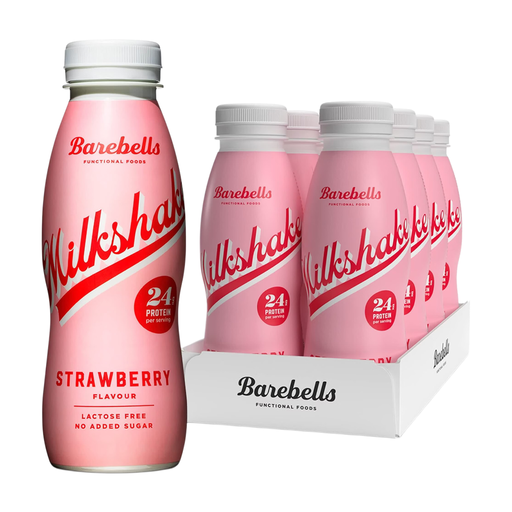
Why this suits this profile: The ready-to-drink format means you don’t need to buy a shaker or measure out powder. The pack of 8 bottles is ideal for trying the product or for occasional use after training.
The listing clearly states 24 g of protein per bottle, along with no added sugar and being lactose-free. However, do note the presence of milk.
24 g of protein per bottle, 330 ml format, easy to store, and three flavours available in the range.
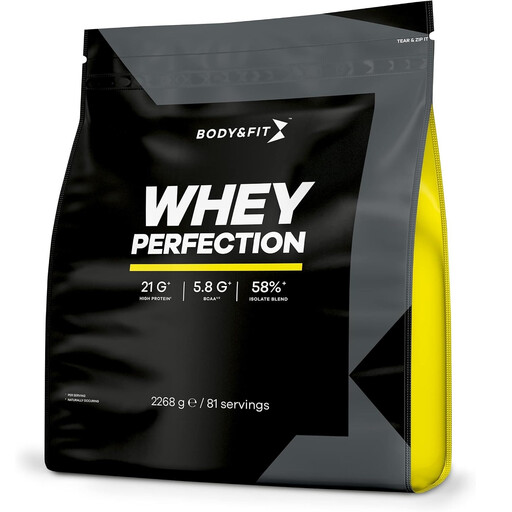
Why this suits this profile: This large pack is aimed at athletes who use protein powder regularly and prefer to measure out each serving themselves.
The listing specifies the net weight, approximately 81 servings and a 28 g serving size. This makes it easy to calculate the price per serving, rather than relying on the pack weight alone.
22 g of protein per serving, 100 kcal per serving, a blend of isolate, concentrate and hydrolysate, and no aspartame or cyclamate according to the listing.
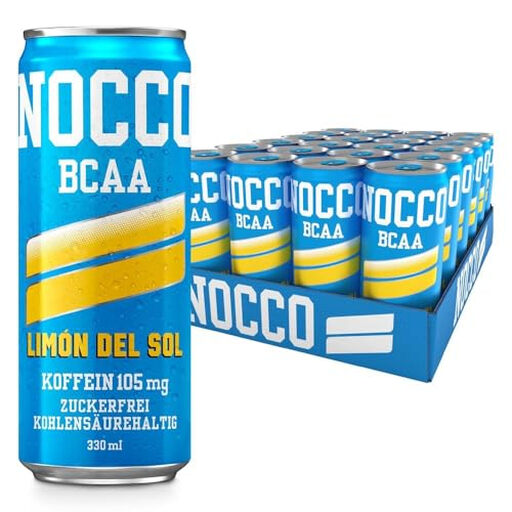
Why this suits this profile: The 24-can pack is ideal for anyone looking for a sugar-free BCAA drink for their workouts or busy days.
The listing clearly separates the BCAA, vitamins and caffeine content. With 105 mg of caffeine per can, it’s best to plan and moderate your intake.
2,500 mg of BCAA, 0 g of sugar and 4 kcal per can according to the product listing, in a 24 x 330 ml pack.
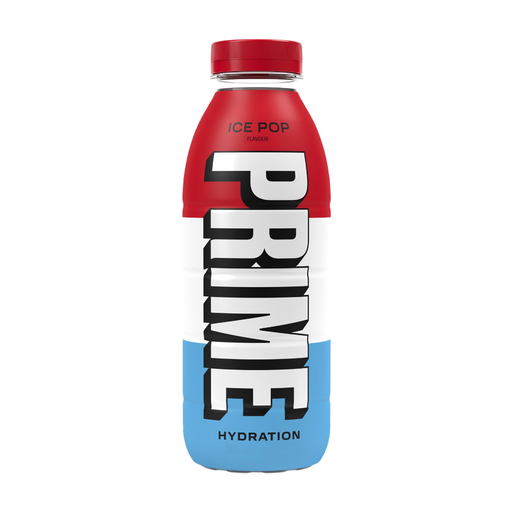
Why this suits this profile: Its individual 500 ml format and the absence of caffeine (as stated on the listing) make it suitable for daily hydration at the office, on the move or after physical activity.
The listing shows 5 kcal and 0.5 g of sugars per 100 ml, along with the presence of potassium, magnesium and vitamins E, B6 and B12.
Ready-to-drink, 0 g of fat and easy to open. Refrigerate after opening and consume within three days.
We’ve put together a comprehensive, real-time updated list of products that fully meet these strict selection criteria and comply with European safety regulations.
Whey usually comes as a powder that you mix with water or milk. It lets you adjust the serving size and stores easily before opening. A protein drink is ready to consume – it’s convenient on the go, but its volume, calorie content and price per serving are fixed.
No. A sugar-free drink may contain caffeine, sweeteners or other ingredients you need to watch depending on your habits. Always check the full ingredient list, the amount per bottle and any warnings on the packaging.
Always follow the manufacturer’s date and storage instructions. Powder should generally be kept tightly sealed, in a dry place away from light. A ready-to-drink beverage often needs to be refrigerated after opening and consumed quickly. Following these guidelines helps reduce waste and preserves the product’s stated qualities.