
Livraison le jour même ou le lendemain

Qualité garantie

Débloquez vos offres de bienvenue: Livraison GRATUITE | Jusqu'à -80 % | 30 jours d'essai gratuits à JoyPlus
Téléchargez l'application
The beverage aisle is buzzing with activity. Alongside traditional juices and sodas, a new category has firmly established itself: the functional drink. Hydration, energy, vitamins, recovery… the promises are tempting, but the selection is so vast it's easy to get lost. The problem: in this marketing jungle, not all bottles are created equal.
As a product expert at Joybuy, my mission is to help you see things more clearly. Let's break down the traps to avoid and the essential criteria for making a smart choice that's truly tailored to your needs.
Marketing is getting ever more creative, touting benefits that often hide a much less appealing reality. Here are the two most common pitfalls:
To avoid falling for the marketing tricks, a close look at the label is essential. Focus on these three key points.
This is the number one criterion. Check the "Carbohydrates, of which sugars" line per 100 ml. A drink with more than 5g of sugar per 100 ml is already considered sugary. For healthy daily consumption, opt for a sugar-free drink or one with very little sugar (less than 2.5g/100 ml). Also, be sure to distinguish between fructose (fruit sugar) and sweeteners (sucralose, stevia, etc.), which provide a sweet taste without the calories.
A functional drink gets its name from the active ingredients it contains. Identify them to ensure the product meets your goals:
Your goal dictates your choice. There's no need to drink an energy drink if your only aim is to rehydrate after a yoga session.
To help you make your choice, here are a few products that tick all the boxes, selected according to the criteria we've just discussed.
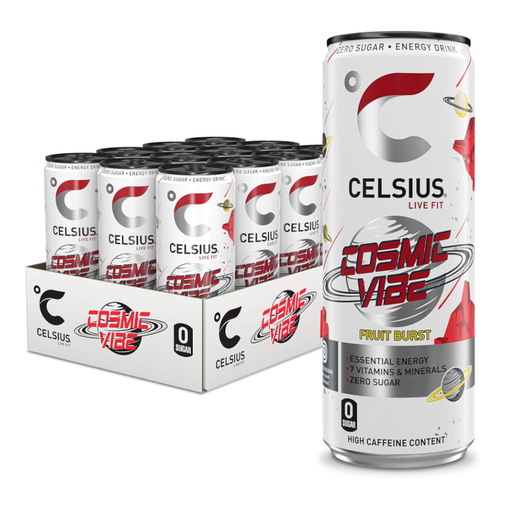
Why we chose it: Ideal for long days at the office or before a workout, this drink provides a real energy boost without the subsequent crash. Its can format is easy to take anywhere.
It's formulated with zero sugar, which avoids the hidden calorie trap. Its caffeine content (56 mg/100 ml) is clearly displayed for informed consumption.
It combines a cocktail of vitamins (B2, B3, B5, B6, B12, C) with natural extracts (guarana, green tea, ginger) for a complete and lasting stimulating effect.
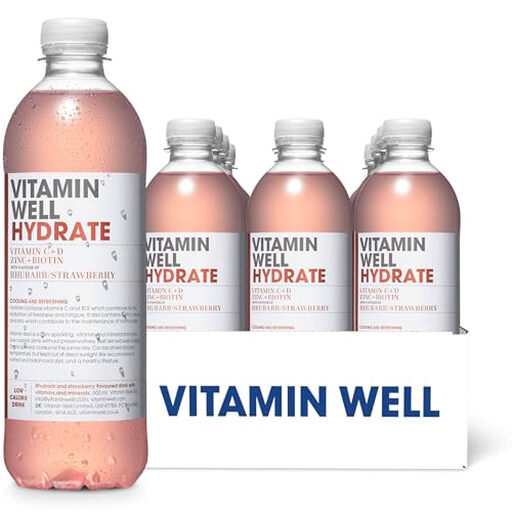
Why we chose it: Perfect for rehydrating after a moderate workout or on a hot day. Its rhubarb-strawberry flavour is very refreshing, and its composition is designed to replenish nutrients.
This is not an energy drink: it's caffeine-free. Its sugar content (fructose) is moderate (3.9 g/100 ml) and serves its purpose of hydration and light energy replenishment.
Enriched with vitamins C, B12, biotin, and zinc, it helps reduce fatigue and support the proper functioning of the immune system.
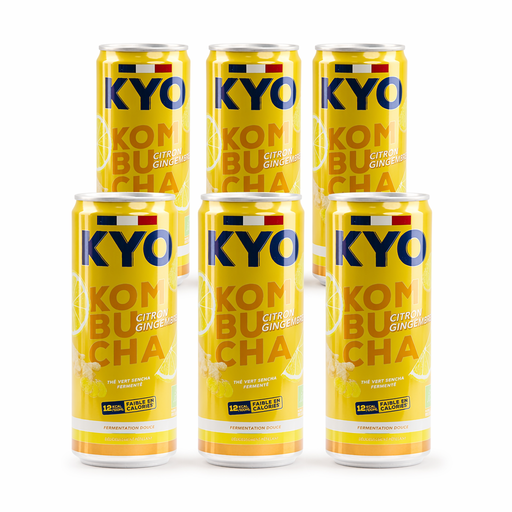
Why we chose it: The ultimate healthy, sparkling alternative to sodas. Kombucha is a fermented tea-based drink known for its digestive benefits. A bonus: this version is brewed in France with organic ingredients.
It's transparent about what it is: a kombucha, not a disguised energy drink. Its sugar content is very low (2.4 g/100 ml) and is simply a result of the natural fermentation of organic cane sugar.
An organic and French product, made with Sencha green tea, lemon juice, and ginger. The recipe is simple, natural, and deliciously refreshing.
We have curated a complete range of products that meet our demanding selection criteria.
The term "functional drink" is a very broad category that includes any beverage promising a benefit beyond simple hydration. An energy drink is therefore a type of functional drink, specifically designed to provide a boost, often through a high dose of caffeine and sugar. Other functional drinks might target hydration (with electrolytes), recovery (with proteins), or wellness (with vitamins or probiotics), without necessarily containing stimulants.
Absolutely not. A vitamin-enriched drink can help supplement your intake of certain nutrients, but it will never replace the benefits of a healthy, varied diet. Fruits and vegetables provide fibre, antioxidants, and a myriad of essential micronutrients that no drink can replicate. Think of it as an occasional boost, not a substitute.
For an effective sports hydration drink, check the label for electrolytes (sodium, potassium, magnesium). These minerals help the body absorb water more efficiently and compensate for losses through sweat. For a long workout, a drink with some carbohydrates (sugar) will help maintain your energy levels. However, for a short, low-intensity session, a sugar-free or very low-sugar option is more than enough.