
Livraison le jour même ou le lendemain

Qualité garantie

Débloquez vos offres de bienvenue: Livraison GRATUITE | Jusqu'à -80 % | 30 jours d'essai gratuits à JoyPlus
Téléchargez l'application
Choosing a new full-face motorcycle helmet can be a daunting task. Between the jungle of models, standards, and features, it's easy to get lost. And with the new ECE 22.06 certification standard having changed the game, vigilance is more important than ever.
This guide is here to cut through the noise. Our mission? To help you decode the technical jargon and find THE helmet that fits your riding style, whether you're a long-distance tourer or a daily scooter commuter.
Before you dive into our selection, let's review the fundamental points that will guide your choice.
Since 2022, the ECE 22.06 standard has become the new benchmark in Europe. More demanding than the old 22.05 standard, it mandates more comprehensive impact tests, including oblique (rotational) impacts and tests at various speeds. Opting for an ECE 22.06 certified motorcycle helmet is therefore your guarantee of receiving the latest and most rigorous protection on the market. Always remember to check for the white certification label sewn onto the chinstrap.
The full-face motorcycle helmet, with its single-piece shell, offers maximum protection, especially for the jaw. It's the preferred choice for long-distance riders and speed enthusiasts.
The modular helmet, on the other hand, is distinguished by its flip-up chin bar. This is a major advantage for urban riding, allowing you to talk or get some air at a red light, offering highly appreciated versatility. Be aware, however: as practical as it is, it is only certified for riding in the closed (full-face) position to ensure optimal protection.
A helmet is like a pair of shoes: if it's not comfortable, the ride can quickly turn into a nightmare. Here are the points to watch closely:
Now for our selection of models that tick all the right boxes for safety and features.
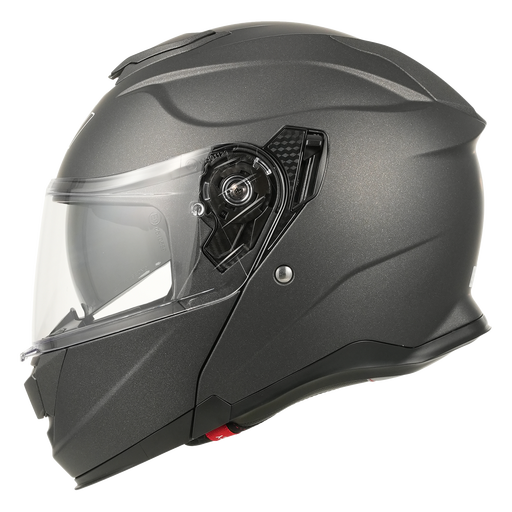
Its Strong Suit: The MY-935 is all about versatility: the convenience of an open-face helmet when stopped, and the safety of a full-face helmet on the road. Its unisex design makes it equally suitable as a women's motorcycle helmet or a men's motorcycle helmet.
Key Features:
Who is it for? For motorcyclists and scooter riders who want a do-it-all helmet, equally at home in the city as it is on weekend getaways, and who appreciate the practicality of a modular design without sacrificing safety.
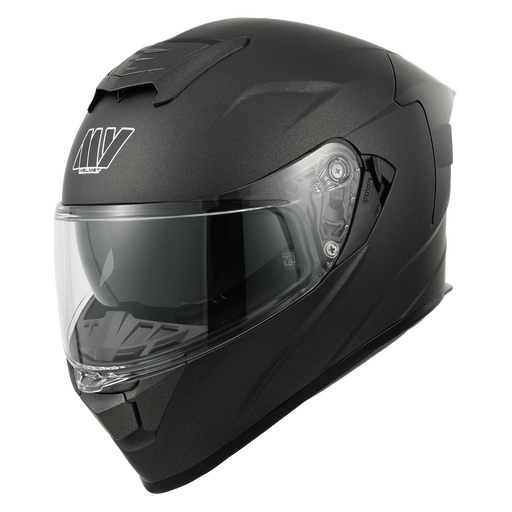
Its Strong Suit: The MY-936 is a classic full-face motorcycle helmet, designed to offer maximum protection thanks to its single-piece structure. A smart and efficient choice for daily riding.
Key Features:
Who is it for? For those who make protection their absolute priority. Perfect for daily commutes, weekend rides, and long-distance motorway journeys.
These two models provide a good overview of the options, but the perfect helmet remains a highly personal choice. The shape of your head, your riding style, and of course, your personal taste are all deciding factors.
To discover other styles, colours, or features, feel free to explore our full range.
? Discover All Our Motorcycle Helmets
Generally, it's recommended to replace your helmet every 5 to 7 years, even if it has never been in an impact. Over time, the shock-absorbing materials (like the EPS liner) lose their effectiveness due to UV rays, sweat, and temperature changes. And of course, a replacement is mandatory after any drop or impact, even if no cracks are visible to the naked eye.
It's simple: take a measuring tape and measure the circumference of your head. Place the tape about 2?cm above your eyebrows, at the widest part of your head. Then, refer to the manufacturer's size chart. When trying it on, a new helmet should feel snug and apply even pressure, with no painful pressure points. It should absolutely not move when you shake your head from side to side or up and down.
Absolutely, and it's even highly recommended. The risk of an accident is not related to your machine's engine size. In urban areas, where impacts are common, a full-face scooter helmet simply offers the best possible protection. It's the sensible choice for anyone who takes their safety seriously.