
Livraison le jour même ou le lendemain

Qualité garantie

Débloquez vos offres de bienvenue: Livraison GRATUITE | Jusqu'à -80 % | 30 jours d'essai gratuits à JoyPlus
Téléchargez l'application
A good frying pan is the cornerstone of any kitchen. Yet, buying one can quickly become a headache. Between promises of "scratch-proof" coatings that flake off after a few months and bases that warp on an induction hob, it's easy to feel lost. As the Head of Product Recommendations at Joybuy, my mission is to help you see things more clearly by breaking down the features that truly matter for a smart, durable purchase that's perfectly suited to your habits.
Cookware marketing is filled with superlatives. Before you decide, learn to recognise the two most common pitfalls that almost always lead to disappointment.
To make an informed choice, focus on three fundamental technical parameters. They determine 90% of your pan's performance and longevity.
The pan's material directly affects heat distribution, responsiveness, and the type of cooking you can do.
The performance of a non-stick pan relies on its coating. Today, health concerns are guiding choices more than ever.
Always check these two points:
Rather than searching for the perfect "one-size-fits-all" pan, it's better to choose one that truly matches your cooking style. Here are our recommendations, designed for distinct uses.
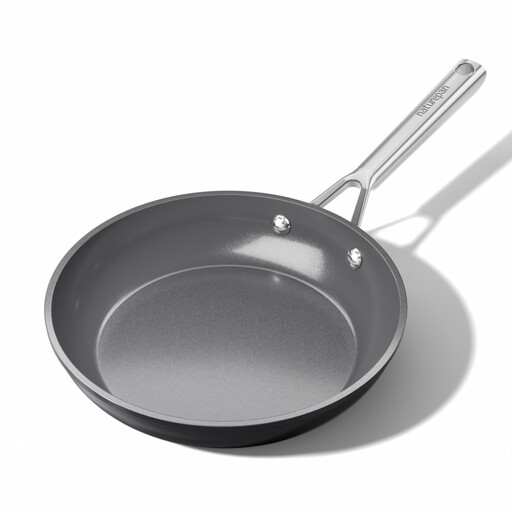
Why we chose it: Ideal for those who want the convenience of a non-stick pan without the controversial compounds. Its 24 cm size is perfect for meals for 2-3 people, from morning eggs to evening stir-fried vegetables.
It tackles the problem of fragile coatings with a ceramic reinforced with titanium and diamond particles, and is guaranteed to be free of PTFE/PFOA/PFAS. A transparent and reassuring approach.
Healthy and durable non-stick coating, compatible with all hobs including induction, and oven-safe up to 260°C for maximum versatility.
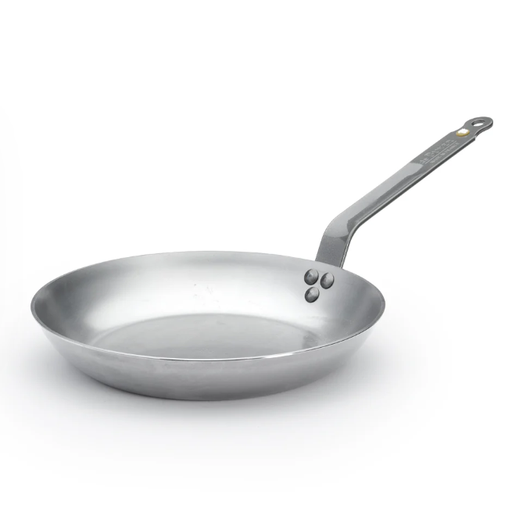
Why we chose it: This is the gold standard for anyone who wants to cook like a pro. This **de Buyer** carbon steel pan is designed to perfectly sear meats and develop a beautiful Maillard reaction. It's made to last a lifetime if properly maintained.
It doesn't promise magical non-stick properties right out of the box. Instead, it's transparent about the need for seasoning, relying on durability and raw performance to avoid the disposable pan trap.
99% iron material that seasons to create a natural non-stick surface and offers excellent heat retention. Made in France.
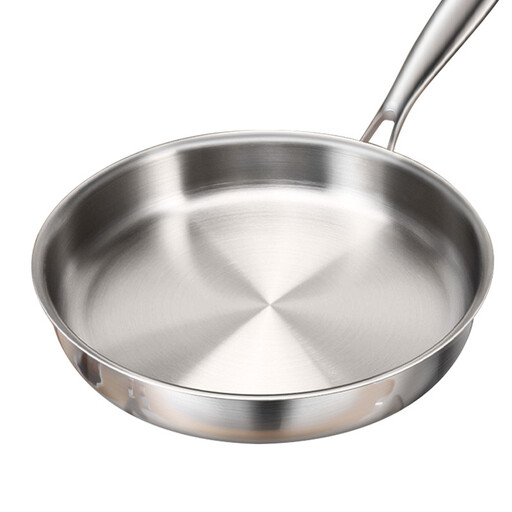
Why we chose it: For those who want a reliable workhorse without a coating to maintain. This stainless steel pan is built to last and withstand heavy use. Its triple-ply structure ensures even cooking, whether for a delicate sauce or a quick stir-fry.
It avoids the pitfall of entry-level stainless steel pans that warp. Its multi-ply construction (stainless/aluminium/stainless) guarantees structural stability and uniform heat distribution, even on induction.
Triple-ply construction for perfectly even heating. High resistance to scratches and corrosion for maximum durability.
We have compiled a complete list of products that meet our strictest selection criteria for performance and safety.
The lifespan varies greatly. A good quality ceramic or reinforced coating, used with wooden or silicone utensils and cleaned without abrasives, can last for several years. On the other hand, an entry-level coating can lose its properties in less than a year with daily use. The key is to never overheat it while empty and to avoid thermal shock (running a hot pan under cold water).
Maintenance, or "seasoning," is crucial. Before the first use, clean it with very hot water to remove the protective wax. Dry it, then heat a thin layer of oil until it smokes slightly. Let it cool and wipe away the excess. After each use, rinse it with hot water (without soap, if possible), dry it immediately on the stove, and apply a thin coat of oil. It will darken over time: this is the sign that the protective, non-stick patina is forming.
Not necessarily. The price often reflects the quality of the materials (e.g., multi-ply stainless steel vs. simple aluminium), manufacturing complexity, durability, and origin. A more expensive pan will generally offer better heat distribution and greater resistance to warping, which translates to more even cooking and a longer lifespan. However, the "best" pan is still the one that is suited to your hob and your cooking style.