
Livraison le jour même ou le lendemain

Qualité garantie

Débloquez vos offres de bienvenue: Livraison GRATUITE | Jusqu'à -80 % | 30 jours d'essai gratuits à JoyPlus
Téléchargez l'application
Fruity fizzy drinks are tempting with their bright colours, their sometimes exotic flavours and their easy-to-carry formats. But a pretty bottle isn’t enough to make the right choice. Between heavily sweetened sodas, recipes with sweeteners and packs where the total volume can be misleading, a few checks are in order before you place your order.
This guide from the Joybuy Product Recommendation Officer helps you tell the difference between sparkling drinks to enjoy every now and then, small individual formats and large packs designed for meals, parties or catering.
The mention “orange”, “pineapple” or “grape” often describes a flavour, without guaranteeing the drink contains a significant amount of juice. To get a clearer picture, read the ingredients list and look for mentions of juice from concentrate, fruit concentrate or flavouring.
The Fanta Orange in this selection, for example, contains orange juice and lemon juice from concentrate. Other products rely mainly on flavourings, carbonated water and sugar.
A 200 ml bottle, a 330 ml can and a 1.5 litre family size don’t serve the same purpose. To compare offers properly, look at the price per litre, the number of units and the total volume of the pack. A pack of 24 cans might be perfect for a party, but far too much for occasional consumption at home.
Colours, sweeteners, preservatives and allergens are worth checking before you buy. Some products mention the presence of milk or soya, like the LOTTE Milkis Melon. Others contain colours subject to the statutory warning about activity and attention in children, particularly E102 or certain colours used in orange sodas.
Once opened, a fizzy drink quickly loses some of its bubbles. Glass bottles and opened cans should generally be kept in the fridge and consumed quickly, following the instructions on the packaging.
The nutritional value per 100 ml allows you to compare containers of different sizes. In this selection, the sugar content ranges, for example, from 4.4 g per 100 ml for some TING sodas to 24 g per 100 ml for the Hatakosen Ramune Orange Fl.
This data does not constitute medical advice or a health recommendation. It simply helps you better understand the composition of the drinks and choose a format suited to your intended use. Also check for the presence of sweeteners like sucralose, as well as the total amount of carbohydrates and sugars per can or bottle.
With its marble-shaped stopper, the Japanese Ramune adds a playful touch when opening. Cans, on the other hand, are easier to store, transport and distribute in quantity.
Before ordering, check the product name, net volume, ingredients list, nutritional values, best-before date and storage conditions. The information on the product page should always be compared with that printed on the packaging you receive, which remains the reference.
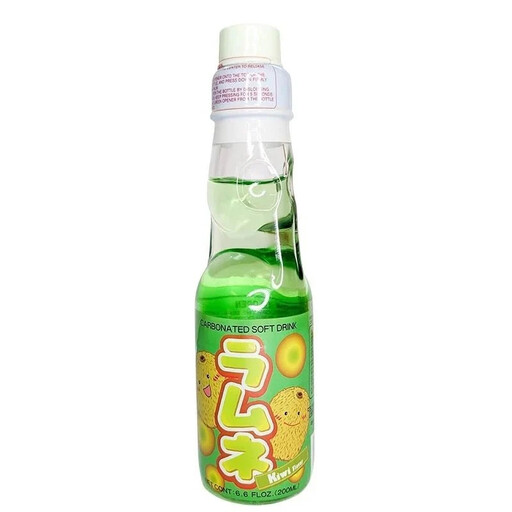
Why this choice suits this profile: At 200 ml, this Japanese Ramune lets you discover a new drink without being lumbered with a large volume. Its glass bottle, sealed with a marble, makes drinking it as fun as it is original.
The net volume is clearly stated. The product page also details the ingredients, storage conditions and a sugar content of 9.5 g per 100 ml.
A tangy kiwi flavour, a small 200 ml format and a serving experience that’s out of the ordinary. However, the presence of E102 should be noted, especially for children.
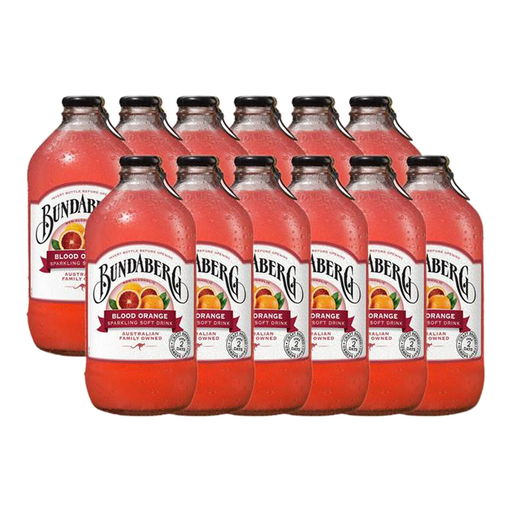
Why this choice suits this profile: This pack of 12 bottles of 37.5 cl is aimed at those looking for a non-alcoholic drink with a blood orange flavour, with a more elegant presentation at the table.
The pack of 12 units saves you from having to make multiple separate purchases when you’re expecting several guests.
375 ml bottles, blood orange juice from concentrate and 47 kcal per 100 ml according to the product information provided.
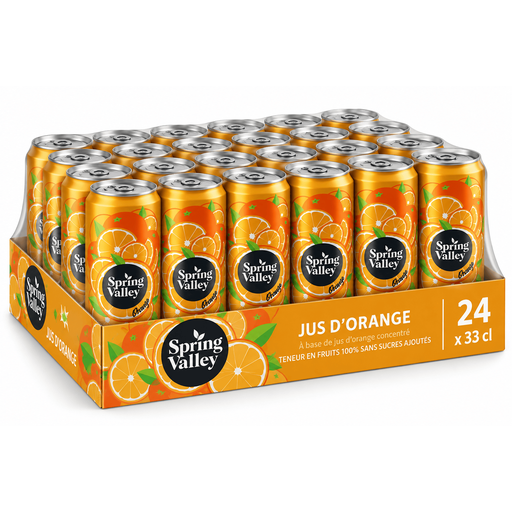
Why this choice suits this profile: With 24 cans of 330 ml, this lot is designed for events, catering, associations or regular home stocking.
The number of cans and the total volume of 7.92 litres are clearly stated. That makes it easier to estimate your needs and the price per litre.
Slim cans that are easy to hand out, an orange flavour and around 42 kcal per 100 ml according to the information provided.
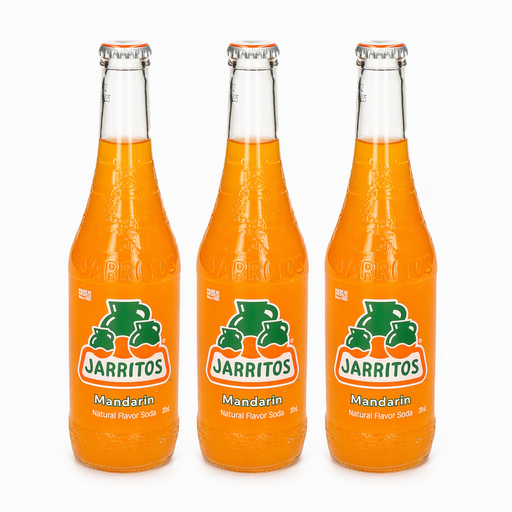
Why this choice suits this profile: The Mexican Jarritos is a change from the usual sodas thanks to its mandarin flavour and 370 ml format, well suited to meals as well as small celebratory occasions.
The pack of three limits the risk of being left with a large stock and lets you try the mandarin flavour before moving on to a larger pack size.
A 370 ml format, a sugar-based recipe and a natural mandarin flavouring mentioned on the product page. Best served well chilled.
We’ve put together a comprehensive selection, updated in real time, of products that meet these exacting criteria as well as European safety regulations.
It all depends on the number of guests, the length of the event and the other drinks you’re serving. 330 ml cans make individual serving simple, while 1.5 litre bottles are more practical for serving by the glass. To minimise leftovers, always compare the total volume of different packs.
An opened bottle should generally be kept in the fridge and consumed quickly, often within 24 to 48 hours depending on the product. The shelf life varies according to the recipe, the container and the manufacturer’s recommendations. The date on the packaging refers to the unopened product, stored under the recommended conditions.
No. Some contain juice or concentrate, while others rely mainly on flavourings. To check, look at the ingredients list and look for the proportion of juice when it’s stated. That way you can make an informed choice between an orange fizzy drink, a tropical soda, a grape drink or a pineapple soda.