
Livraison le jour même ou le lendemain

Qualité garantie

Débloquez vos offres de bienvenue: Livraison GRATUITE | Jusqu'à -80 % | 30 jours d'essai gratuits à JoyPlus
Téléchargez l'application
Buying fruity drinks and fruit juices online lets you discover flavours rarely found in shops, take advantage of family-sized formats and order convenient packs for meals, parties or catering. But a pretty label isn’t enough to compare products properly.
Between a juice, a nectar, a fruit drink or a fruity fizzy drink, the ingredients and uses can vary enormously. Here are the points to check before you fill your basket, along with a selection tailored to different needs.
The word ‘juice’ doesn’t necessarily mean the drink contains 100% fruit. A juice can be made from pressed fruit or from concentrate, whereas a fruit nectar usually contains juice or purée, with water and sometimes sugar added. A fruit drink, on the other hand, may have a much lower fruit content.
So check the ‘ingredients’ list and, where available, the percentage of juice or purée. This check is particularly useful for orange juices, pineapple juices, exotic drinks and tropical fruit blends.
‘No added sugar’, ‘light’ or ‘rich in fruit’ aren’t enough to tell you the full composition of a product. A drink may contain the naturally occurring sugars from fruit, or sweeteners if it’s labelled as low in energy.
Compare the values given per 100ml, then relate them to the amount you actually drink. A 250ml glass isn’t the same as a small 200ml can. If you’re buying for the whole family, also look at portion sizes and storage instructions after opening.
A 2-litre bottle works well for shared meals, but it takes up space in the fridge once opened. Cans and cartons are more practical for an event, a lunchbox or individual servings, but they create more packaging per litre.
For a restaurant, caterer or reception, calculate the total volume, the number of portions and the storage time. Drinks packs can help prevent running out, as long as you choose formats that fit the space you have.
Start by identifying which category the product belongs to:
The label must show the ingredients list and nutritional information in line with European consumer information rules, particularly EU Regulation No 1169/2011. Always check the packaging you receive: a recipe can change between orders.
The ‘carbohydrates, of which sugars’ line is given per 100ml. Multiply this value by the volume you drink to get a more meaningful estimate. In a fruity drink, the presence of sugars doesn’t necessarily mean they’ve been added – fruit contains natural sugars.
For regular consumption, vary the formats and serve appropriate portions. At a party, small units make serving easier, while a family-sized bottle can sometimes reduce the price per litre.
A 75cl bottle fits easily at breakfast or on a dining table. 33cl cans are practical for events and single sales. 200ml cartons are ideal for snacks and on the go.
Before ordering, check the storage instructions: keep away from heat, refrigerate after opening and consume within the stated time. Some drinks need to be shaken before opening because they contain purée or fruit particles.
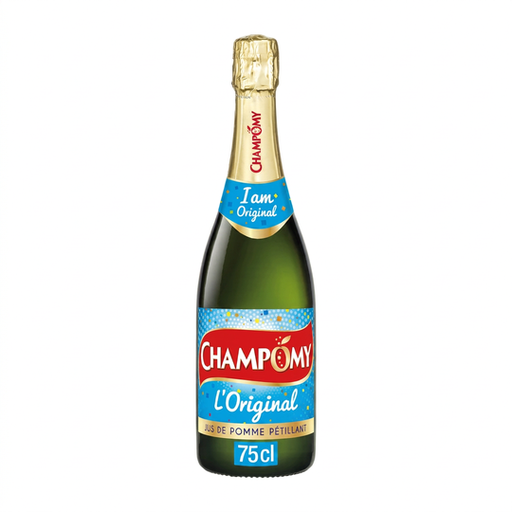
Why this choice suits this profile: Its 750ml format works well for a family meal or an alcohol-free celebration. The recipe is described as made from apple juice and bubbles.
The listing clearly states the volume and the two main ingredients. However, it’s still best to check the label you receive before serving.
A non-alcoholic sparkling drink, a 750ml bottle and no declared allergens on the product listing.
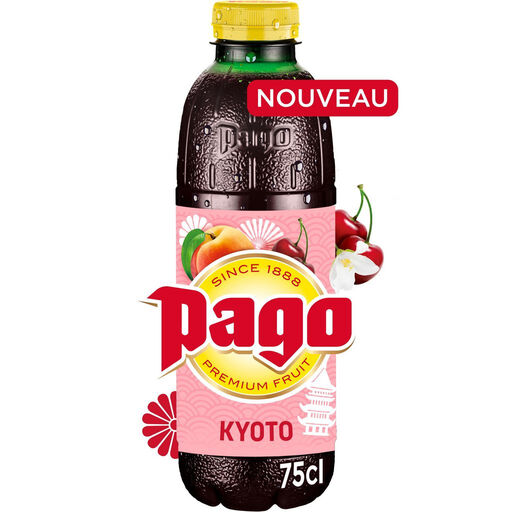
Why this choice suits this profile: The combination of peach, sour cherry and jasmine will appeal to those who enjoy original drinks and more nuanced flavour profiles.
The ingredients list specifies the proportions of peach purée, sour cherry juice and lemon juice, rather than just making a vague flavour promise.
75cl, 42kcal and 9.4g of sugars per 100ml according to the listing provided. Refrigerate after opening.
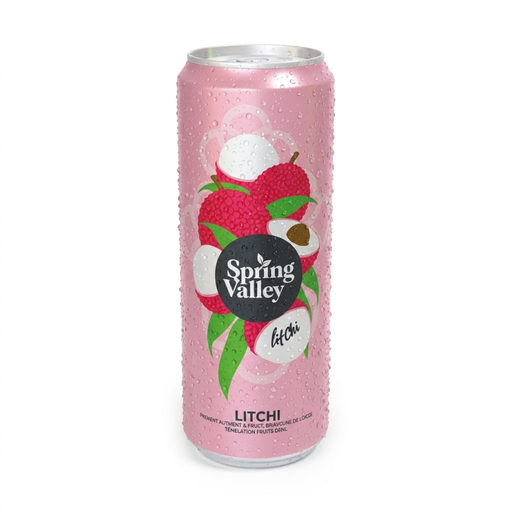
Why this choice suits this profile: The 24 cans of 330ml are ideal for restaurants, caterers, events and households wanting to stock up.
The packaging and total volume of 7.92 litres are stated, making it easy to calculate portions and price per litre.
A lychee flavour, individual format and room-temperature storage before opening. Serve well chilled.
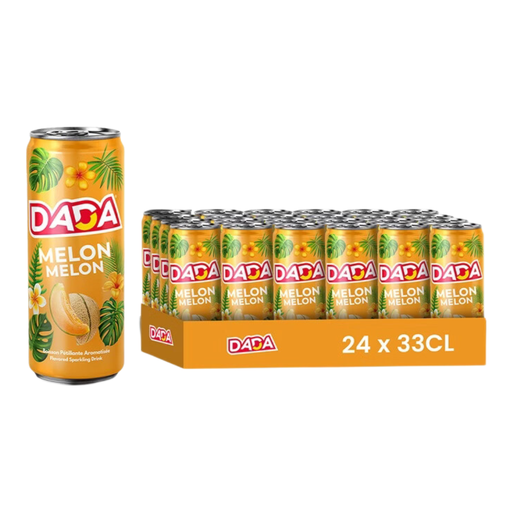
Why this choice suits this profile: Its melon flavour and individual cans are ideal for casual meals, offices and gatherings.
The pack states the number of cans and total volume. The ingredients list also lets you tell the difference between melon flavouring and actual melon juice.
24 cans of 33cl, a non-alcoholic fizzy drink and a fruity flavour best served chilled. Check the nutritional values on the packaging.
We’ve put together a comprehensive, real-time updated list of products that meet these selection criteria and European safety regulations.
For a family meal, a 75cl to 2-litre bottle can reduce the number of openings. For an event, 33cl cans or 200ml cartons make serving and portion control easier. Always compare the total volume of the pack rather than just the price shown.
The shelf life depends on the product and the manufacturer’s instructions. As a rule, put the opened bottle in the fridge promptly and follow the time stated on the packaging. Drinks in cans should be consumed immediately after opening.
Some drinks aimed at children come in small cartons, but their sugar content and composition still vary. Read the label, choose appropriate portions and treat these as occasional drinks within a balanced diet.