
Livraison le jour même ou le lendemain

Qualité garantie

Débloquez vos offres de bienvenue: Livraison GRATUITE | Jusqu'à -80 % | 30 jours d'essai gratuits à JoyPlus
Téléchargez l'application
A fruit jelly drink combines a soft texture, fruity flavour and a convenient format that slips easily into a bag. Also known as a fruit jelly drink, drinkable jelly or Asian jelly drink, this speciality appeals to teenagers, young adults and families looking for an original snack.
However, not all products are created equal. Before ordering an orange, mango, apple, grape or lychee jelly drink, a few checks can help you avoid disappointment.
A bright colour or fruit pictured on the packaging does not guarantee a recipe that is rich in juice or pulp. Take the time to check the ingredients list, as well as the stated juice percentage or the quantity of fruit pieces advertised.
For example, some Strong CICI products state a juice content of at least 15%, while the 218 g jelly drinks highlight the presence of orange or apple pulp. This information is much more useful than a simple fruit illustration on the pouch.
Texture depends largely on the gelling agents used. Konjac, carrageenan or nata de coco can create a smooth, elastic or slightly crunchy consistency.
A completely smooth jelly is ideal for a quick break. By contrast, a recipe containing nata de coco pieces offers more texture in the mouth. It is therefore worth reading the description carefully before choosing a fruity Chinese snack.
These products are ready to eat, but they are not intended to remain open for several days. The 150 g pouches are generally individual portions and come with a cap or practical spout. Once opened, the product should be consumed quickly.
For 218 g formats, check the instructions for the specific product. The Strong orange drink, for example, states that it should be refrigerated after opening and consumed promptly. The information on the packaging should always take priority.
Start by identifying the featured fruit and the role it actually plays in the recipe. A mango jelly drink generally offers a smooth texture and sweet flavour, while a grape or orange recipe may have a more tangy note.
To compare the different products, check in particular:
The product listings featured here do not mention any declared allergens. Nevertheless, read the French label and legal information at the time of purchase.
A 150 g pouch is suitable for an individual break at work, in your bag or in a lunch box. The 218 g formats offer a more generous portion to enjoy at a more leisurely pace.
Packaging with a spout allows you to drink the jelly directly, without a spoon. This is practical at work, while travelling or when taking a break outdoors. Children should be supervised by an adult while consuming the product, particularly because of its gelled texture.
Product listings generally provide nutritional values per 100 g or 100 ml. The Strong CICI drinks featured here contain approximately 59 to 61 kcal per 100 ml, depending on the flavour, and 0 g of fat, according to the information provided.
Of course, these figures are not enough to assess the overall balance of your diet. They are mainly useful for comparing the recipes with one another. Also check the carbohydrate content, sugar levels and total pouch weight.
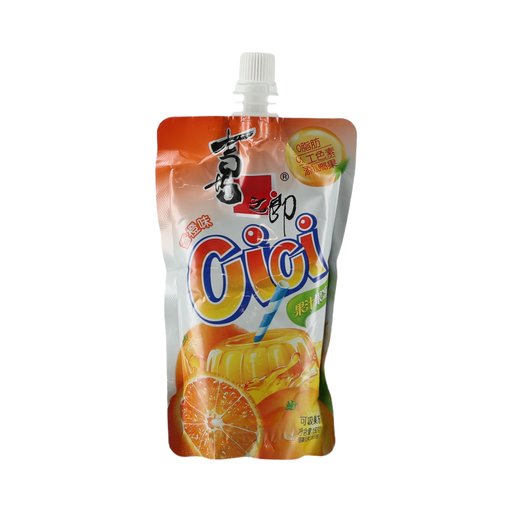
Why this choice suits these needs : Its individual 150 g format lets you try an orange jelly drink without having to buy a large quantity.
The listing states a juice content of at least 15% and specifies the presence of nata de coco and konjac.
A 150 g format, ready to consume and best served chilled according to the product listing.
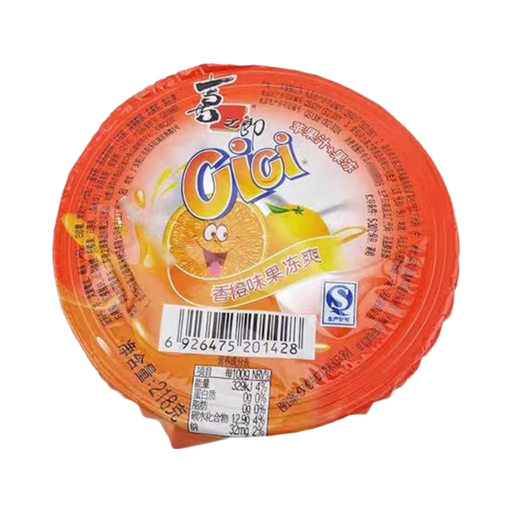
Why this choice suits these needs : With its 218 g format and stated orange pulp, this product is aimed at those who prefer a more substantial serving.
The description clearly distinguishes between orange pulp and simple flavouring, while also providing a detailed ingredients list.
Stated orange pulp, a smooth texture and a net quantity of 218 g.
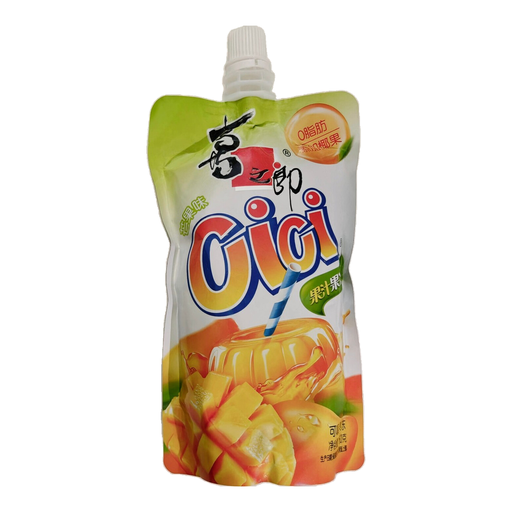
Why this choice suits these needs : Its pouch with a spout and ready-to-drink format make it ideal for regular breaks, travelling and snack time.
The individual format means you do not have to store an opened pouch, and the listing recommends consuming it quickly after opening.
Mango flavour, a soft texture, an individual spout and no preparation required.
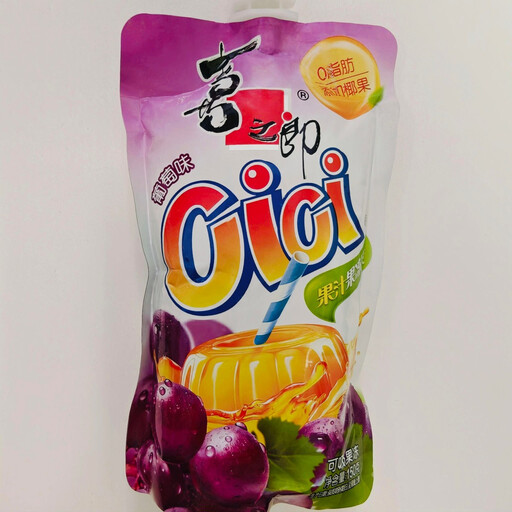
Why this choice suits these needs : Grape offers an alternative to orange, apple or mango recipes, while the format remains suitable for an occasional break.
The listing states at least 15% grape and apple juice, as well as nata de coco.
A 150 g format, a texture combining konjac and nata de coco, and approximately 61 kcal per 100 ml according to the information provided.
Yes. The products featured are ready to consume and can be enjoyed directly from the pouch. Several products are best served chilled. If the packaging allows, reseal it and consume the remainder promptly.
Before opening, follow the storage instructions on the packaging. This often means keeping the product in a cool, dry place away from light. After opening, some products must be refrigerated and consumed promptly. Always check the label of the product you receive.
Konjac acts as a texturing agent, giving the drink a soft, gelled consistency. Nata de coco consists of small pieces of coconut jelly, creating a firmer and sometimes slightly crunchy texture. A recipe may contain one, the other or both.