Families sharing a bowl in the evening
A large tin can be a good choice when several people are eating together and you can store any leftovers according to the label instructions.


For an evening snack to share, choose a large tin if it’s the right size for your group and you can store and finish any leftovers according to the product instructions. Individual pots make serving separate portions easier, especially if everyone won’t be eating at the same time. If no added sugars is a priority for you, compare this claim, the ‘of which sugars’ figure and the ingredients list, and don’t mistake it for being sugar-free.
A large tin can be a good choice when several people are eating together and you can store any leftovers according to the label instructions.
Multipacks of pots let you serve everyone without opening a large tin, then save the other pots for another time.
The ‘no added sugars’ claim, nutritional information per 100 g and ingredients list matter more to them than simply choosing a fruit or format.
First decide how many people you’ll be serving and what you’ll do with an opened container. Then compare the recipes if the ingredients matter to you.
| Criteria | What to check | Who is it for? |
|---|---|---|
| Amount to share | The format, drained net weight and instructions for after opening. | If I’m serving several people from the same bowl, I want enough fruit without opening several containers. Around 31% of consumers would make this amount to share their top priority. |
| Individual portions | The number of pots and the weight of each one. | When everyone eats at their own pace, I prefer to open only the portions we need. This would be the top priority for around 25% of consumers. |
| Sugars and ingredients | The ‘no added sugars’ claim, the ‘of which sugars’ figure per 100 g and the ingredients list. | If I compare recipes before choosing a format, I want to distinguish the sugars shown in the nutritional information from sugar listed as an ingredient. For around 25% of consumers, ingredients would be the main criterion. |
| Choice of fruit | The fruits named in the ingredients and their proportions, where stated. | For a shared bowl, I look for fruits that the people there will want to eat. The choice of fruit would come first for around 19% of consumers. |
The format may contain more than the group will eat that evening, so storing the opened contents becomes part of your decision.
Estimate how many portions you’ll need and have a suitable container ready. Then follow the after-opening instructions for the product you’ve bought.
This claim doesn’t mean the ‘of which sugars’ figure will be zero: fruit naturally contains sugars.
Compare the nutritional information per 100 g and the ingredients in similar products, taking the portion you’ll serve into account.
Two mixes can have different fruit lists and proportions. Auchan’s product listing for pots of peach, mandarin, pear and grape in light syrup states that they contain 57% fruit.
Check the ingredients of the product you’ve chosen if anyone in your household has favourite fruits or needs to avoid certain ones.
Carrefour offers, among other products, an 825 g tin of fruit cocktail in syrup, as well as multipacks of individual pots.
The range offered by E.Leclerc includes tins weighing 465 to 500 g and pots in packs of 4 × 70 g.
Auchan offers pots of fruit in light syrup in a 4 × 113 g format.
The brand offers fruit cocktails in syrup in various formats, including an 850 g tin and products weighing 425 g or 3 × 125 g.
ALDI France offers a 500 g tin of Baccara fruit cocktail in light syrup.
This selection includes a large fruit cocktail to share, a smaller cocktail and tins of individual fruits. To choose between them, start with the fruit you want, the amount you’ll serve and the instructions for after opening. Individual fruits aren’t a substitute for a cocktail if you’re looking for a mix.
 Image unavailable
Consider this for a bowl of fruit cocktail to share between several people. If you don’t finish the tin, check the storage instructions for after opening before choosing this larger format.
 Image unavailable
This cocktail may suit you if 425 g is closer to the amount you need than a large tin. The Joybuy listing states that it contains 12 g of sugars per 100 g and, once opened, keeps for 3 to 4 days in the fridge in a suitable container.
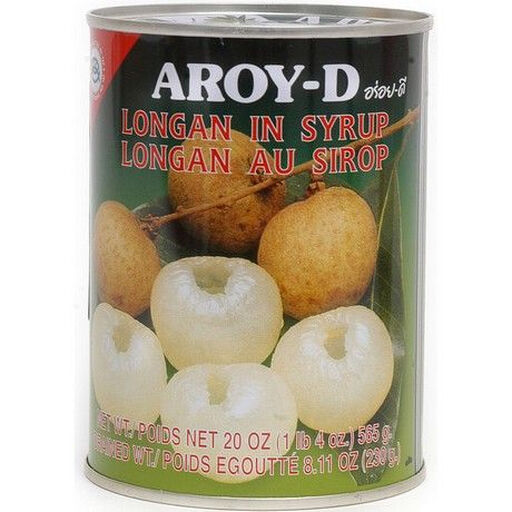 Image unavailable
Consider this jar if the people you’re serving would prefer longans to a fruit mix. Check that the amount is right for your group and follow the label instructions if you open the jar.
 Image unavailable
This tin is for a group that would prefer rambutans to a fruit cocktail. Before opening the 565 g format, think about how much you’ll serve and check the storage instructions for any leftovers.
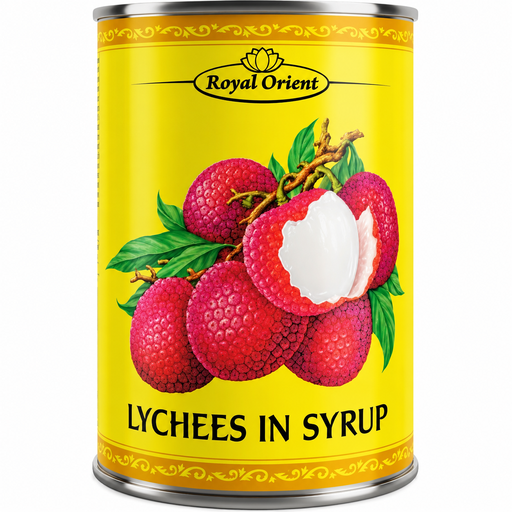 Image unavailable
This tin may suit you if you’d like to serve lychees on their own rather than a fruit cocktail. Compare the amount of fruit stated on the label and check the after-opening instructions if you expect to have leftovers.
Check the net quantity, drained net weight, ingredients and nutritional information to choose a recipe and amount of fruit that suit you. Also check the date and storage instructions. The Directorate General for Competition Policy, Consumer Affairs and Fraud Control reminds shoppers that any allergens present must be highlighted in the ingredients list.
No: fruit naturally contains sugars. To compare similar types of fruit in syrup, read the ‘of which sugars’ figure per 100 g and the ingredients list. Don’t judge the contents by the claim on the front of the pack alone.
Follow the time limit and storage conditions given for the product you’ve opened. For the St Mamet 425 g and 3 × 125 g fruit cocktails, the Joybuy listings state that they keep for 3 to 4 days in the fridge in a suitable container. This guidance doesn’t automatically apply to other products.