For lunch between lectures
You want a dessert you can open and eat without transferring it to another container or taking leftovers home. An individual pot fits the bill, especially if you can’t refrigerate an opened tin after your meal.


For a dessert between lectures, an individual pot means you won’t need to transfer the fruit to another container or store a large, opened tin. A tin is a better choice if you’re sharing the contents or making a dessert at home. To find an option that feels more indulgent, compare the fruit, the liquid it’s stored in and the ingredients rather than relying on the word ‘premium’ alone. And remember, ‘no added sugar’ doesn’t mean ‘sugar-free’.
You want a dessert you can open and eat without transferring it to another container or taking leftovers home. An individual pot fits the bill, especially if you can’t refrigerate an opened tin after your meal.
You want to tell fruit in syrup apart from options in juice or with no added sugar. Check the ingredients and the ‘of which sugars’ line to compare products without mistaking no added sugar for no sugar at all.
You’re using several portions, perhaps with yoghurt or in a homemade dessert. A large tin or fruit cocktail could be a good choice if you can store any leftovers according to the label.
For lunch at uni, first choose a format that suits where you’ll be eating and how you can store any leftovers. Then compare the ingredients of products that meet your needs.
| What to consider | What to check | Who is it for? |
|---|---|---|
| Portable portion | Check whether each pot opens separately and look at the drained weight per portion. | Between lectures, I want to eat my dessert without opening a large tin or taking leftovers home. For around 42% of the consumers surveyed, a ready-to-go portion would be the top priority. |
| Liquid and sugars | Compare the ingredients, the type of liquid and the ‘of which sugars’ figure per 100 g. | I’d rather check whether sugar is listed as an ingredient than rely on the phrase ‘light syrup’. This distinction would be the main priority for around 25% of the consumers surveyed. |
| Quantity and sharing | Check the quantity and drained weight, then read the storage instructions for after opening. | If I’m planning several desserts, I want to use the whole tin or store the leftovers properly. Around 33% of the consumers surveyed would prioritise having enough to share. |
The sugars naturally present in fruit are still there. So a product with no added sugar isn’t necessarily sugar-free.
As well as checking the claim on the front of the pack, read the ingredients and the ‘of which sugars’ figure per 100 g.
Once opened, any leftover fruit needs to be stored according to the product’s instructions.
If you can’t store the rest, choose an individual portion or share the tin straight away.
Some of the contents could go to waste if you can’t store and eat them as directed on the packaging.
Auchan’s four-fruit cocktail in light syrup lists sugar among its ingredients. The name of the liquid doesn’t tell you everything about the product’s ingredients.
Compare the ingredients and nutritional information for each product before you choose.
This label doesn’t tell you which fruit is used, what liquid it’s in or which format will suit your lunch.
Decide what matters to you — the variety of fruit, presentation, ingredients or portion size — then check the label to make sure the product fits.
Carrefour sells fruit in syrup under this brand in a range of formats, including small pots of pineapple with no added sugar.
E.Leclerc sells Marque Repère fruit in syrup in individual pots as well as larger tins.
Auchan’s range includes individual pots, single-fruit products and fruit cocktails, with different preserving liquids depending on the product.
St Mamet sells peaches, fruit cocktails and pineapple products with no added sugar, among other options.
Aldi sells Baccara individual pots of fruit in light syrup.
These products suit two different needs: small containers to take with you for dessert, and jars or tins for several portions or for making a dessert. Start by thinking about how you’ll open them and store any leftovers.
 Image unavailable
The three 125 g containers make it easy to take one portion with you without opening the whole pack.
Check the ingredients if you’re comparing this cocktail with a product that has no added sugar. Once you’ve opened a container, follow the storage instructions on the packaging.
 Image unavailable
This 850 g size is a good choice if you’re planning several portions or making a dessert to share.
If you’re eating lunch on your own at uni, think about how you’ll store the leftovers after opening.
 Image unavailable
These pear halves are better suited to making a dessert for several people than to opening for a quick bite between lectures.
The stated weight is a drained weight of 455 g. Check the ingredients and storage instructions if you don’t use the whole contents.
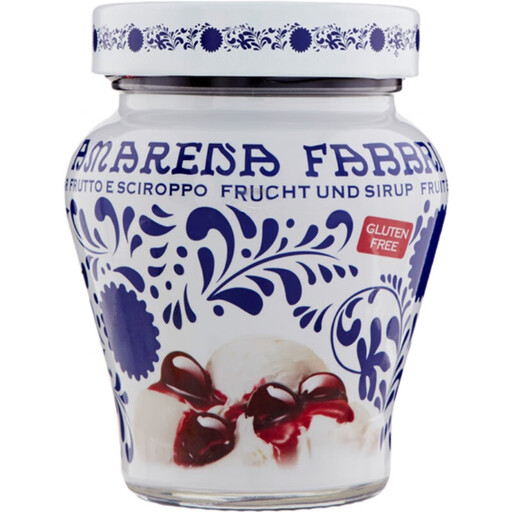 Image unavailable
This jar of cherries in syrup is ideal for adding to a dessert rather than as a ready-to-go individual portion.
Compare its ingredients and nutritional information with those of the other products you’re considering. After opening, reseal the jar and store it according to the label.
 Image unavailable
This pack of peach halves is smaller than the large tins featured here, but it isn’t an individual pot.
The 230 g figure is the drained weight. If you don’t use the whole contents, follow the storage instructions for after opening.
It works well as a dessert or an extra, but not as the only part of your lunch. Manger Bouger, the Santé publique France programme, recommends including vegetables and starchy foods or pulses in a meal.
It doesn’t mean the product contains no sugar: sugars naturally present in its ingredients are still there. To compare two products, also check their ingredients and the ‘of which sugars’ figure in the nutritional information.
Follow the instructions on the packaging of the product you’ve bought, as they can vary. If you open a large tin for one portion, make sure you can store the rest as directed.
Check the quantity, ingredients and nutritional information, particularly the sugars per 100 g. The DGCCRF includes these among the key details on food labels. If you’re buying a tin for several meals, also check the storage instructions for after opening.