Parents with a cool box
You’d like to take pots of fruit yoghurt, perhaps as a multipack to share, and can keep them at the recommended temperature during the journey and picnic.


For a picnic in the park, start by checking how the product needs to be stored. A pot of fruit yoghurt that must be kept chilled needs a cool box or insulated bag, while some specific drinkable options state how long they can be kept out of the fridge. If your child prefers a smooth texture, then compare the descriptions ‘blended’, ‘with pieces’ and ‘flavoured’, and check the ingredients and allergens for the product you choose.
You’d like to take pots of fruit yoghurt, perhaps as a multipack to share, and can keep them at the recommended temperature during the journey and picnic.
You’re looking for a format that’s easy to hold or drink in the park. In that case, only choose an option that can be kept out of the fridge if the manufacturer says so for that exact product.
You choose based on whether there are pieces, the sugar content, sweeteners or allergens. Check these details on the label for the flavour and format you’re buying.
For a picnic, first check how the product needs to be stored until you’re ready to eat it. Then compare the texture and ingredients that suit your child, as well as how many portions you’ll need to carry.
| What to check | Check for | Who is it for? |
|---|---|---|
| Storage | The stated temperature, use-by date and any product-specific guidance on how long it can be kept out of the fridge. | If you’re taking a chilled product to the park, you need to be able to keep it under the stated conditions until it’s eaten; around 31% of shoppers put this first. |
| Texture and format | Descriptions such as ‘blended’, ‘with pieces’, ‘flavoured’, ‘drinkable’ or ‘pouch’; and a format your child can hold easily. | If your child doesn’t like pieces or prefers to drink their yoghurt without a spoon, look first for a format they’ll enjoy; around 25% of shoppers prioritise this. |
| Ingredients | Ingredients, allergens, sugars per 100 g and whether sweeteners are included. | If a known allergy or a preference about the recipe guides your choice, check the label for the exact product; around 25% of shoppers put ingredients first. |
| Number of portions | Number of units, quantity per unit, flavours in the multipack and available space in your cool box if the product needs to stay chilled. | If you’re sharing between several children, you’ll want enough portions without overloading your bag; around 19% of shoppers prioritise multipack size. |
Anses highlights the importance of keeping food chilled to limit the growth of micro-organisms. Guidance from Danone and Yoplait on how long a product can be kept out of the fridge applies to specific drinkable formats, not all their yoghurts.
For a pot that needs to be kept chilled, use a cool box or insulated bag. For a drinkable format, follow the instructions on its own packaging.
These descriptions don’t mean the same recipe or texture. Yoplait notes, for example, that a flavoured yoghurt may contain flavouring but no fruit.
If your child doesn’t like pieces, look for a blended texture and check the ingredients for the flavour you’ve chosen rather than relying on the picture on the pack.
The claim refers to fat. Auchan’s product information for one Panier de Yoplait 0% option lists 5.5 g of sugars per 100 g and says it contains sweeteners.
Compare the nutritional values per 100 g and the ingredients lists for the products you’re considering.
Ingredients vary between recipes. For some of its Yaourts Pâtissiers, La Laitière warns that traces of nuts, soya or mustard may be present, depending on the flavour.
If you have a known allergy, check the ingredients and allergen information on the packaging of the product you actually buy.
Velouté includes blended fruit yoghurts, while Danonino offers formats aimed at children, including drinkable options.
Yop, Frulos and Panier de Yoplait offer drinkable formats and a range of fruit recipes.
The range includes multipacks of stirred fruit yoghurts, which may suit a group with a way to keep chilled products cold.
The brand offers, among other options, a creamy fruit yoghurt with pieces.
The range lets you compare blended fruit yoghurts with recipes containing pieces, depending on the texture you’re after.
The brand offers fruit yoghurts as well as dessert-style recipes that differ from classic fruit yoghurts.
For a break in the park, this is a strawberry-flavoured fermented drink in small individual portions, not a pot of fruit yoghurt. Its format alone doesn’t tell you how long it can be kept out of the fridge, so follow the instructions on the packaging you receive.
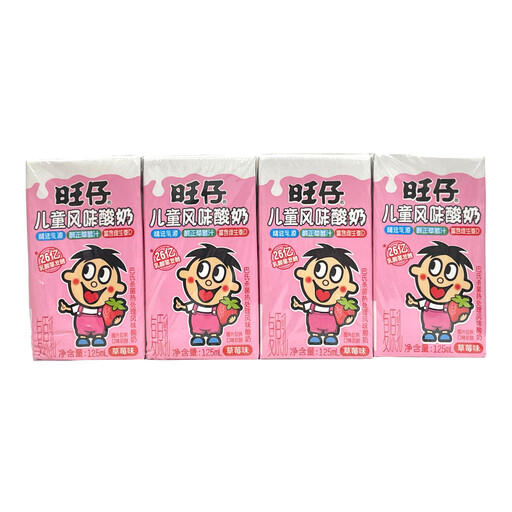 Image unavailable
The pack of four small drinks may suit you if you’re looking for individual portions to drink rather than a pot to eat with a spoon.
Before your picnic, check the storage instructions on the packaging, along with the ingredients and allergens if these matter to your choice.
Not if the label says they must be kept in the fridge. Anses and the DGCCRF highlight the importance of maintaining the cold chain during transport. Any guidance allowing a product to be kept out of the fridge applies only to the specific format it refers to.
No: ‘0%’ refers to fat, not sugar content. Auchan’s product information for one Panier de Yoplait 0% option lists 5.5 g of sugars per 100 g and sweeteners. Compare the nutritional information and ingredients for the exact products you’re considering.
Read the ingredients list on the packaging you buy: the DGCCRF says allergenic ingredients must be clearly highlighted there. If you have a known allergy, also check for any product-specific warnings about possible traces.
The use-by date must cover the day you plan to eat the product. The DGCCRF notes that a use-by date is a strict limit for the foods it applies to; it doesn’t replace the need to follow the storage instructions on the label.