
Livraison le jour même ou le lendemain

Qualité garantie

Débloquez vos offres de bienvenue: Livraison GRATUITE | Jusqu'à -80 % | 30 jours d'essai gratuits à JoyPlus
Téléchargez l'application
Choosing a bag of fruit-themed sweets may seem simple. Yet between colourful formats, tangy promises and very sugary assortments, a few differences can make a real difference at checkout. Whether you’re buying for a birthday, an afternoon treat, a party or a tasty gift, it’s worth considering the ingredients, format and intended use.
A large bag isn’t necessarily the most practical choice. Gummy sweets and belts can dry out after opening, while individually wrapped formats make sharing easier and reduce handling. Compare the net weight, the number of possible portions and the storage conditions, rather than relying solely on the size of the bag.
Multicoloured sweets, candy strings and scoubidou sweets naturally catch children’s eyes. However, colour says nothing specific about the flavour or ingredients. Take the time to check the flavourings, acidity regulators, colourings and allergens listed on the label.
Long, thin or very stretchy confectionery requires particular care with young children. Some formats may present a choking hazard, especially for children under 3. Follow the recommendations on the packaging and, where the format requires it, ensure the sweets are eaten under adult supervision.
To put together an assortment that doesn’t become repetitive, check the flavours actually included: strawberry, apple, raspberry, cola, peach, tutti frutti or tropical fruit. Sour sweets often contain citric or malic acid. These ingredients create the fizzy, tangy sensation, but they are not an indication of nutritional quality.
Fans of strawberry sweets can choose a dedicated bag, with strawberry strings or flavoured candy floss. For a group, a mix of several flavours offers more choice, especially when everyone around the table has different tastes.
Texture completely changes the tasting experience:
A fun shape does not remove the need to read the safety instructions. With children, encourage them to enjoy sweets while seated and avoid letting them keep a long sweet in their mouth during physical activity.
In France and the European Union, the label must identify the ingredients, allergens, net quantity, best-before date and storage conditions. The products featured here should generally be stored in a cool, dry place, away from heat and moisture.
Wheat or gluten are used in several string and belt-shaped sweets. Some products may also contain milk or traces of other allergens. The colouring E120, found in some confectionery products, is derived from carmine. If you wish to avoid it, check the ingredients list carefully. Recipes may change, so the packaging you receive is always the definitive reference.
The options below match four buying profiles: a small budget or first taste, a desire for variety, parties and frequent sharing, plus themed treats or edible decoration.
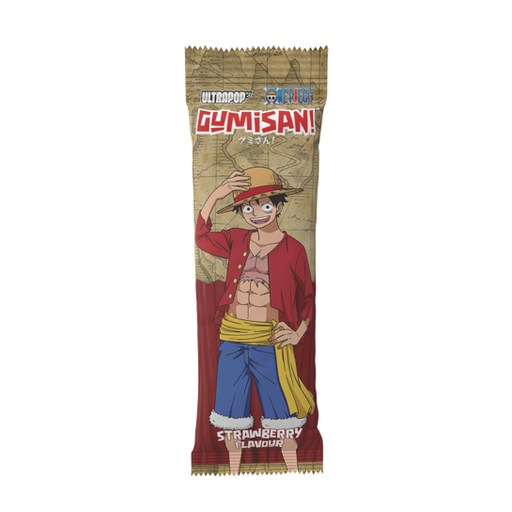
Why this format works: A 75 g bag dedicated to strawberry flavour, ideal for a small tasting session or for adding to a sweet assortment.
The 75 g weight is clearly stated, making it easier to compare with larger bags.
A string-style texture, strawberry flavour and apple juice concentrate in the listed ingredients.
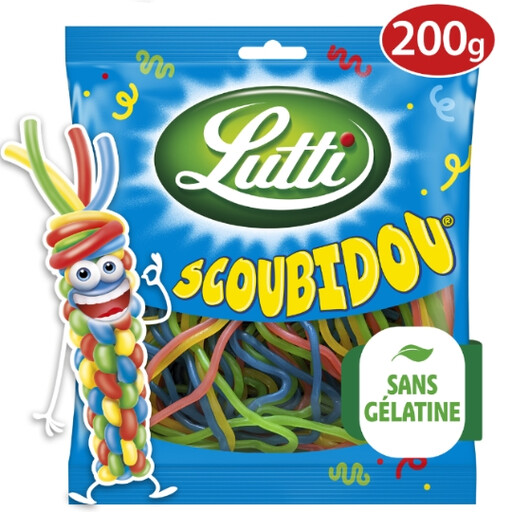
Why this format works: Strawberry, apple, tutti frutti and raspberry flavours offer plenty of variety for an afternoon treat or birthday party.
The flavour list is clearly specified, unlike some assortments whose contents remain vague.
A 200 g bag, stated to be made in France and ready to eat.
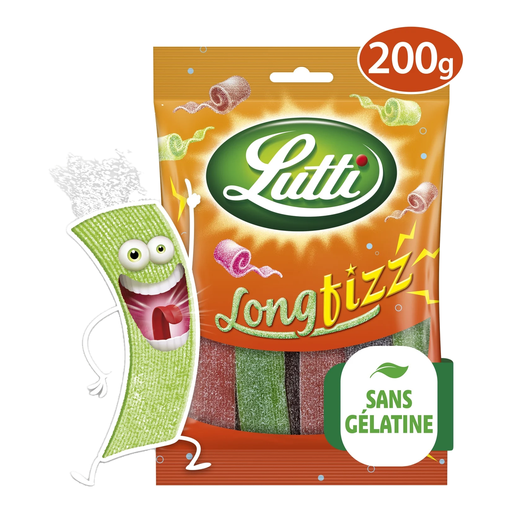
Why this format works: The long strawberry, cola, apple and peach-flavoured belts are made for sharing at a party.
The net weight and flavours are stated, helping you plan the quantity needed for several guests.
A 200 g format, with citric and malic acids listed among the declared ingredients.
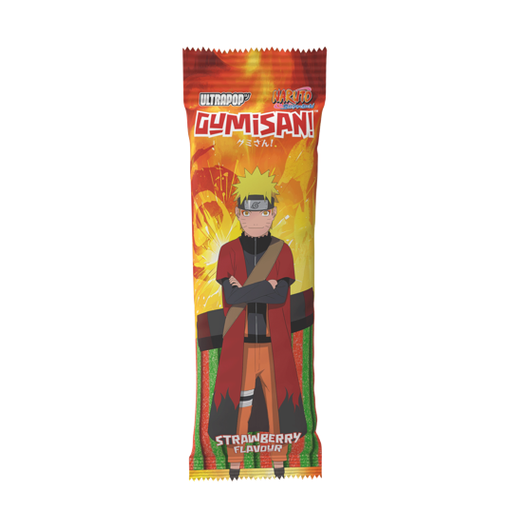
Why this format works: This strawberry candy floss adds an airy texture to a birthday buffet or a tasty gift.
The storage time after opening is clearly limited to 24 hours, helping you avoid keeping a moisture-sensitive product for too long.
A product made in France, consisting of sugar, a natural flavouring and carmine E120 according to the information provided.
We’ve brought together an up-to-date selection of products matching these buying criteria and the safety information applicable in France.
For a party, combine several textures rather than choosing almost identical products. For example, you could mix sour sweets in belts, fruit-flavoured gummy sweets, a few cola sweets and a playful format such as a sweet necklace. Individually wrapped products are suitable for handing out one at a time, while large bags are better suited to a buffet.
When children are involved, keep the confectionery out of reach until serving time and check the allergens according to each guest’s needs. Sweets containing wheat, milk or carmine should be identified before putting together the portions.
It depends on the product and the date shown on the packaging. Seal the bag carefully after opening and store it in a cool, dry place. Candy floss should generally be eaten quickly, while belts and strings mainly need to be protected from moisture.
A 200 g sweet assortment or several small bags allow you to offer different flavours and textures. Belts, scoubidou sweets and necklaces add to the fun, while strawberry, cola and tropical fruit flavours cater to a range of tastes.
Long or string-shaped formats require particular care. Check the manufacturer’s warning, follow the stated age guidance and supervise children while they are eating. For children under 3, avoid products that carry a choking-hazard warning.