For solo lunches without a fridge for leftovers
A sealed pot lets you take one portion with you without opening a large container. Carrefour and Auchan sell multipacks of fruit-in-syrup pots; check the weight of each portion before choosing.


If you’re having lunch on your own at work and can’t store leftovers, choose individual pots. A large tin is a good option if you can share it or store the contents after opening, following the on-pack instructions. In either case, check the drained weight, ingredients and nutritional information: ‘no added sugar’ does not mean ‘sugar-free’.
A sealed pot lets you take one portion with you without opening a large container. Carrefour and Auchan sell multipacks of fruit-in-syrup pots; check the weight of each portion before choosing.
If several people will be eating it, or you can store the leftovers, compare the drained net weight with the amount you’ll actually use. The tins available from Carrefour and E.Leclerc are designed for different needs from individual portions.
The ingredients list and the ‘of which sugars’ line in the nutritional information can help you compare products. Anses points out that ‘no added sugar’ does not mean a product contains no sugars.
For lunch at work, first decide whether you’ll be able to share the contents or store them after opening. If you’re considering fruit in syrup for your meal, the needs below highlight each person’s main priority.
| What matters | What to check | Who it suits |
|---|---|---|
| Portion to take with you | Number of pots and drained weight per portion. | If I’m having lunch on my own and can’t keep leftovers, I’d rather open just the portion I need; around 33% of consumers would put this convenience first. |
| Amount you can use | Drained net weight and storage instructions after opening. | If I’m sharing a tin or planning several portions, I want to use all of it without throwing any away; this would be the main priority for around 42% of consumers. |
| Ingredients and sugars | Ingredients list and nutritional information per 100 g, especially ‘of which sugars’. | Before choosing fruit in light syrup or a ‘no added sugar’ product, I want to know what it contains; around 25% of consumers would prioritise the ingredients when making their choice. |
A large container may hold several portions, even though you only need one for lunch. You’ll need to store the remaining contents appropriately after opening.
If you can’t share or store the leftovers, compare the individual pots with the amount you’d eat from a large tin.
The product description is no substitute for the ingredients list or nutritional information. Anses also clarifies that ‘no added sugar’ does not mean sugar-free.
Check the ingredients, the ‘of which sugars’ figure per 100 g and the amount you plan to eat.
Storage instructions vary by product. For its 340 g mix of exotic fruits in light syrup, Auchan advises keeping it in the fridge in an airtight container and eating it within two days of opening.
Check the instructions on the tin you buy and make sure you can follow them at work or at home.
A dated offer doesn’t guarantee that a product will be available on your next shopping trip.
If you’re planning several lunches around the same product, check that it’s available at the shop where you intend to buy it.
Carrefour sells tinned and individually portioned fruit in syrup under this brand, including some products labelled ‘no added sugar’.
Carrefour sells pears and fruit cocktail in syrup in large tins under the SIMPL brand.
Auchan sells fruit in syrup in individual pots and tins, including products in light syrup.
E.Leclerc sells fruit in light syrup in tins and individual pots under this brand.
ALDI France has featured a BACCARA® five-fruit cocktail and MARTIN'S® pears in syrup in limited-time offers.
These products come in multipacks or containers weighing several hundred grams. For lunch at work, choose them if the quantity suits you and, if you open a container, you can store the rest according to the product instructions.
 Image unavailable
The three-pack lets you open just one container for lunch. Each container is listed as 125 g; check that the opening method suits you.
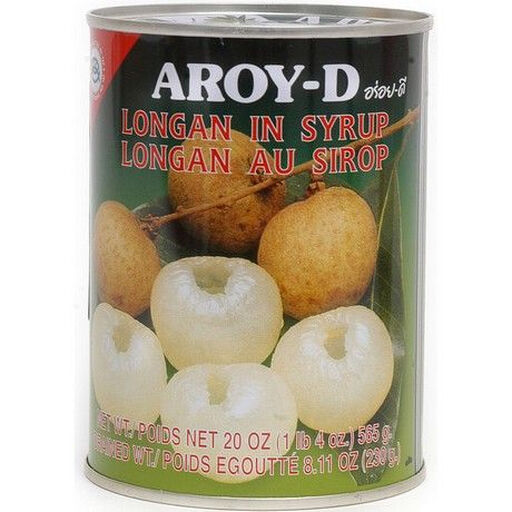 Image unavailable
This 565 g format is worth considering if you’re sharing the fruit or planning several portions. Check the storage instructions before opening the container.
 Image unavailable
This 565 g container is suitable for sharing or for several portions if you can store the leftovers. Check the product’s instructions for storage after opening.
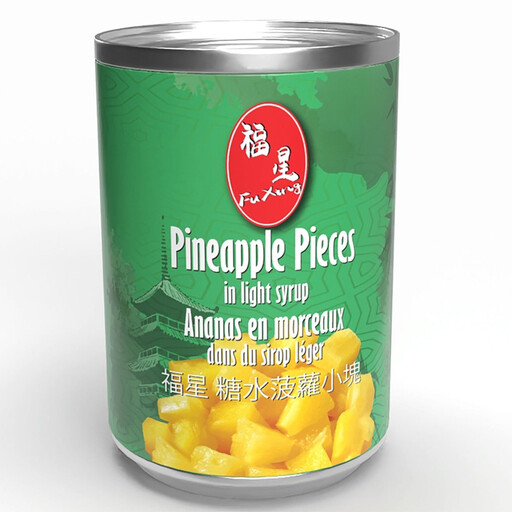 Image unavailable
When working out how much fruit to serve, use the drained weight of 260 g rather than the 565 g net weight. If you won’t eat it all at lunch, check the storage instructions for after opening.
 Image unavailable
This 425 g format is worth considering if you can share the contents or use the rest after lunch. Check the label for the ingredients and storage instructions after opening.
Yes, if you’re having lunch on your own and can’t store leftovers: a pot lets you open one portion at a time. A large tin is still an option if you can share it or follow its storage instructions after opening.
Check the drained net weight to find out how much fruit there is without the liquid. Also check how many containers are in a multipack and how much you’ll actually eat at lunch.
No. Anses points out that this claim doesn’t mean there are no sugars at all: fruit contains naturally occurring sugars. To compare two products, check their ingredients and the ‘of which sugars’ line in the nutritional information too.
Follow the instructions for the product you’ve bought, as they vary between products. For its 340 g mix of exotic fruits in light syrup, Auchan advises putting the leftovers in a suitable airtight container in the fridge and eating them within two days.
Start with the product name, ingredients list, net quantity and nutritional information. The DGCCRF lists these among the details shown on prepacked food labels. For lunch, also check the drained weight if it’s provided, as well as the instructions for after opening.