Parents looking to limit added sugars
You’re looking for a fruit-based dessert that’s ready to serve, and want to tell the difference between a recipe labelled ‘no added sugars’ and a light syrup that contains sugar in its ingredients.


When choosing fruit in syrup for a toddler’s dinner, low fat content alone isn’t enough: check for added sugar and look at the size of the pieces. If you choose this type of product, a recipe labelled ‘no added sugars’ is a better fit if you want to limit added sugars than a light syrup that lists sugar among its ingredients. Serve it as the fruit part of the meal, with a texture that’s suitable for your child.
You’re looking for a fruit-based dessert that’s ready to serve, and want to tell the difference between a recipe labelled ‘no added sugars’ and a light syrup that contains sugar in its ingredients.
The shape of the fruit matters just as much as the recipe: if a pot contains pieces, they need to be a suitable size for your child’s chewing ability.
A fruit pot can make it easier to serve fruit as part of dinner. However, the size of the pot is no substitute for checking the ingredients and looking at the pieces.
For children aged 8 months to 3 years, Assurance Maladie advises limiting sugar and high-fat products. When choosing fruit in syrup, check the recipe and texture before deciding on the format.
| What to check | Look for | Who this matters to |
|---|---|---|
| Added sugars | Check the wording on the recipe, the ingredients list and the ‘of which sugars’ line per 100 g. ‘No added sugars’ does not mean sugar-free. | I want to serve fruit without accidentally choosing a syrup that contains sugar. Around 50% of consumers would make no added sugars their top priority. |
| Pieces and portion size | Check the shape and size of the fruit, then adjust the pieces to your child’s chewing ability and the portion to suit them. | If pieces are still difficult to eat, I need a texture I can adapt before the meal; around 30% of consumers would put this need first. |
| Format | Compare the net quantity or drained net weight, and choose between pots and tins depending on how you plan to use them. | For an easy way to serve fruit as part of dinner, I prefer packaging that suits this purpose. This would be the main consideration for around 20% of consumers. |
The Carrefour Classic’ fruit cocktail in light syrup listed by Carrefour contains sugar in its ingredients. So the name of the syrup alone doesn’t tell you what’s in the product.
If you want to limit added sugars, compare the ingredients lists of specific products rather than relying on their names.
Information about fat content tells you nothing about added sugar or the size of the fruit pieces. Yet both can affect your choice for a toddler’s dinner.
Read the ingredients and nutritional information, then check the pieces before serving.
According to Assurance Maladie, texture should progress in line with your child’s abilities. Cubes, slices or whole fruit may not be suitable as they are.
Check the fruit and, if needed, cut or mash it. Fruit purée is another option to consider if pieces aren’t suitable.
Recipes can vary within the same brand or retailer, so choose based on the specific product and its label, rather than the range name alone.
The brand offers fruit cocktails in pots, including products labelled ‘no added sugars’, as well as fruit in syrup.
Carrefour offers a ‘no added sugars’ fruit cocktail in this range, in four 70 g drained-weight pots, as well as a fruit cocktail in light syrup.
The retailer’s range includes Auchan fruit pots and products from other brands, with recipes in light syrup or labelled ‘no added sugars’.
E.Leclerc offers fruit cocktails and other fruit in light syrup under the Eco+ brand, including tins weighing 340 to 500 g.
Aldi offers BACCARA® fruit pots in light syrup and, separately, fruit purées with no added sugars.
These fruits in syrup let you compare different formats and types of fruit. For a toddler’s dinner, check the ingredients list and adapt the pieces before serving: information about fat content doesn’t replace either of these checks.
 Image unavailable
To serve fruit as part of dinner, check the pieces and adapt them to suit your child. Sugar is listed among the ingredients, so this cocktail doesn’t meet the same criterion as a recipe with no added sugars.
 Image unavailable
If you’re thinking of serving mango slices with the meal, check their size and adapt them before serving. The ingredients list includes sugar, which is worth bearing in mind if your priority is limiting added sugars.
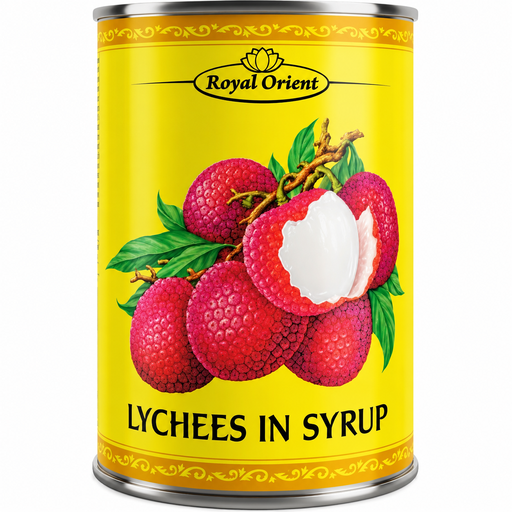 Image unavailable
For a toddler, check the size of the lychees and prepare pieces that are suitable for their chewing ability. Sugar is listed among the ingredients, so don’t assume the product is low in sugar just because of its fat content.
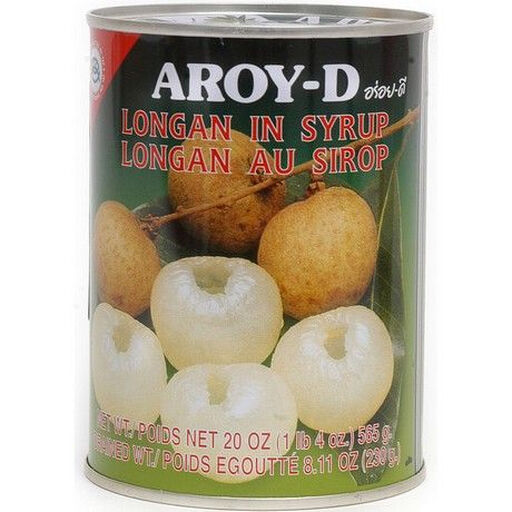 Image unavailable
If you choose longans as the fruit part of the meal, check the whole fruit and adapt its texture before serving. The recipe contains sugar; also check the nutritional information on the packaging.
No. Fruit can contain naturally occurring sugars. Carrefour’s product page for a St Mamet cocktail labelled ‘no added sugars’ makes this clear. When comparing products, also check the ingredients and the ‘of which sugars’ line in the nutritional information.
No. It tells you nothing about added sugar or the size of the pieces. For dinner, check both of these things and serve the fruit as part of the meal, rather than as the whole meal.
Pieces should be suitable for your child’s chewing ability, rather than based solely on the age shown on a pack. Assurance Maladie describes how textures progress during early childhood. Check the fruit, then cut or mash it if needed.
Check the product name, ingredients, nutritional information and stated quantity. For fruit in liquid, the drained net weight can also help you compare the amount of fruit. DGCCRF lists this information among the labelling details for pre-packed foods.
Follow the instructions for the specific product you’ve bought. For example, Joybuy’s product page for 850 g St Mamet Williams pears says to refrigerate them for 3 to 4 days after opening. Don’t assume the same storage time applies to all tins.