Anyone making a dessert to share
For a tart, a layered dessert or a fruit salad served to several people, check the drained weight of the fruit rather than relying on the total weight of the tin.


For a dessert to share, choose a tin with a drained weight that matches the amount of fruit you need, and plan how you’ll use the contents after opening. Small containers are a good choice if you want to serve individual portions without opening a large tin. If the recipe is your main consideration, compare the ingredients and the ‘of which sugars’ figure per 100 g: ‘no added sugars’ does not mean ‘sugar-free’.
For a tart, a layered dessert or a fruit salad served to several people, check the drained weight of the fruit rather than relying on the total weight of the tin.
Individual pots make it easier to serve dessert and avoid opening a large tin. Check how many containers there are and how much each one holds.
To tell a light syrup apart from a no-added-sugar recipe, check the ingredients and the ‘of which sugars’ figure in the nutritional information, per 100 g.
First, work out how much you need to serve and what you’ll do with any leftovers from an opened tin. Once you’ve chosen a format, check the recipe if added sugars are a consideration for your dessert.
| What to consider | What to check | Who is it for? |
|---|---|---|
| Amount of fruit | Drained weight and how much you need for a dessert to share. | If I’m topping a tart or serving several guests, I want to know how much fruit is in the tin once the syrup has been drained. Around 42% of consumers would make this their top priority. |
| Small containers | Number of containers and the amount in each one. | If everyone is having their own dessert, I’d rather not open a large tin and have some left over. Around 33% of consumers would therefore prioritise individual containers. |
| Recipe and sugars | Ingredients list and ‘of which sugars’ figure per 100 g. | When choosing fruit for the menu, I want to distinguish added sugars from those naturally present. For around 25% of consumers, the ingredients would be the main consideration. |
The total weight includes the liquid covering the fruit, so it doesn’t tell you how much fruit will be left once drained.
Check the drained weight to choose an amount that suits your recipe and the number of guests.
Auchan’s product page for St Mamet’s no-added-sugar four-fruit cocktail states that it contains naturally occurring sugars and provides 13 g of sugars per 100 g.
For the product you’re considering, read the full claim, the ingredients and the ‘of which sugars’ figure per 100 g.
Storage instructions after opening vary by product. For its 840 g peaches in light syrup, Auchan advises storing them in a suitable airtight container in the fridge and using them within two days.
Before choosing a large tin, check its specific storage instructions and plan to use the contents within the stated time.
Any leftovers you can’t use could end up going to waste.
Classic tinned fruit options to consider for a dessert to share.
A range that includes large tins and recipes sold in individual pots.
Tinned fruit to consider, particularly if you’re topping a cake or pastry.
Formats to compare depending on how you plan to serve dessert.
A brand to consider if you’re looking for individual pots and want to check the ingredients.
These tins and smaller packs can be used to make a Mother’s Day dessert. Choose the fruit and quantity to suit your recipe, then check the product’s own instructions before opening a container.
 Image unavailable
Williams pear halves to consider for topping a tart or making a dessert to share.
The product name gives a drained weight of 455 g. Check the storage instructions on the product before keeping any contents from an opened tin.
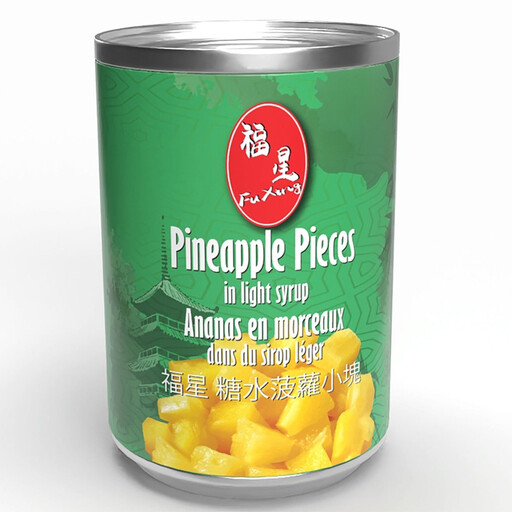 Image unavailable
Pineapple pieces to use in a fruit salad, for example, or as a dessert topping.
The tin is listed as 565 g, including 260 g of drained fruit. Use the drained weight when working out how much you need for your recipe.
 Image unavailable
Mango slices to consider for a dessert or fruit salad.
The tin is listed as 425 g. To work out how much fruit you’ll be serving, check the drained weight on the packaging.
 Image unavailable
A tinned fruit cocktail to consider for making a dessert to share.
The listed pack size is 850 g. Check the drained weight to work out how much fruit your recipe needs.
 Image unavailable
Three small tins to consider if you’d rather open the fruit cocktail a little at a time than open one large tin.
The pack contains three 125 g tins; they aren’t necessarily ready-to-serve individual portions. Check the storage instructions for each tin after opening.
Check the drained weight: this tells you how much fruit there is without the liquid. The total weight of the tin includes the syrup too, so it doesn’t tell you how much fruit you’ll have to serve.
They can make it easier to serve individual portions, but it depends on how many portions you need and how much fruit each pot contains. Compare these details with the dessert you’re planning to make.
It may contain naturally occurring sugars. Auchan’s product page for St Mamet’s no-added-sugar four-fruit cocktail confirms this and provides 13 g of sugars per 100 g. Check the ingredients and nutritional information for the product you choose.
Follow the instructions for the product you’ve opened. For its 840 g peach halves in light syrup, Auchan advises transferring the contents to a suitable airtight container, refrigerating them and using them within two days. Don’t assume the same timeframe applies to other tins.