Hosts serving dessert to share
You want to bring a bowl to the table and share the fruit among your guests. The drained weight helps you work out how much fruit you’ll have to serve, excluding the liquid.


To serve fruit in syrup in a bowl for everyone to share, choose a large tin of fruit cocktail or fruit salad, then compare the drained weights: the total weight includes the liquid too. A large tin of a single fruit is a good choice if you have a particular presentation in mind, while individual pots are better suited to serving one person at a time. In all cases, check the recipe and storage instructions after opening.
How you serve dessert matters just as much as the size shown on the packaging: a bowl to share and portions that are already separated meet different needs.
You want to bring a bowl to the table and share the fruit among your guests. The drained weight helps you work out how much fruit you’ll have to serve, excluding the liquid.
You’re choosing between light syrup, fruit in juice and products labelled ‘no added sugar’. The ingredients list and nutritional information let you compare the specific products you’re considering.
You want to give each guest a portion without opening a large tin. Individual pots are designed for this style of serving, although they won’t give you the same presentation as a dessert to share.
For Sunday lunch, first decide whether you’ll serve the fruit in one bowl or in individual portions. Then compare the quantity of fruit, the recipe and the type of fruit to suit your planned dessert.
| Criteria | What to check | Who is it for? |
|---|---|---|
| Quantity to share | Compare the drained weights of products sold in liquid and plan the quantity according to the number of guests. | If I’m filling a bowl for everyone to share, I want to make sure there’s enough fruit once the liquid has been drained away. Around 40% of consumers put this quantity at the top of their list of priorities. |
| Recipe | Read the ingredients list, the exact wording on the packaging and the nutritional information, including sugars per 100 g. | If the ingredients guide my choice, I want to distinguish between light syrup, fruit in juice and products labelled ‘no added sugar’. This matters most to around 30% of consumers. |
| Choice of fruit | Choose between a fruit cocktail, fruit salad and a tin of a single fruit, depending on the presentation you want. | To go with the dessert I’ve already planned, I sometimes prefer pears or peaches to a mixed selection. Around 20% of consumers prioritise the type of fruit. |
| Serving and leftovers | Check whether the format lets you serve each person separately or whether you’ll need to store an opened tin. | When portions are decided in advance, I’d rather avoid having a large amount left over to deal with. Individual portions are the priority for around 10% of consumers. |
The weight of a tin includes its covering liquid. For example, Auchan’s product information for Saint Mamet fruit salad gives a total weight of 850 g and a drained weight of 475 g. The DGCCRF states that the drained weight must be shown for foods presented in a covering liquid.
To work out how much fruit you’ll put in the bowl, compare the drained weights of the products you’re considering.
This claim doesn’t mean the fruit contains no naturally occurring sugars. Nor does it, on its own, tell you everything about the recipe.
Check the ingredients list and nutritional information for the product you choose, rather than relying only on the front of the packaging.
Individual pots make it easy to serve dessert to each person, but they serve a different purpose from a large tin intended to go in the middle of the table.
If you want everyone to help themselves from one bowl, start with a fruit cocktail, fruit salad or a large tin of a single fruit.
Storage instructions after opening vary by product. Auchan’s product information for Saint Mamet fruit salad advises keeping it in a suitable container in the fridge for 3 to 4 days.
Follow the instructions for the product you’ve opened and plan how to use the leftovers within the stated time.
These examples show some formats and recipes to compare for this dessert. The details given apply to the specific products mentioned, not to every product from each brand.
Carrefour’s range includes 825 g fruit cocktails and larger tins of other fruits in syrup.
Auchan’s range includes individual pots as well as fruit in syrup in tins designed for serving.
This brand in the E.Leclerc range includes a 500 g fruit cocktail in light syrup.
Auchan’s product information for Saint Mamet fruit salad gives a total weight of 850 g, including 475 g of drained fruit; the brand also appears on individual cocktail fruit pots.
Products found at ALDI include a 330 g Baccara cocktail of five fruits in light syrup and 460 g pears in syrup.
This Joybuy selection includes two fruit cocktails to serve in a bowl for everyone to share, and three tins of a single fruit to suit the dessert you have in mind. Before deciding how much to buy, check the drained weight for each product.
 Image unavailable
This 850 g cocktail is suitable for serving in a bowl to share. Check its drained weight to work out how much fruit you’ll have to portion out.
 Image unavailable
This 425 g cocktail gives you a mix of fruit in a smaller quantity than the 850 g tin. Compare the drained weights if you’re deciding between the two.
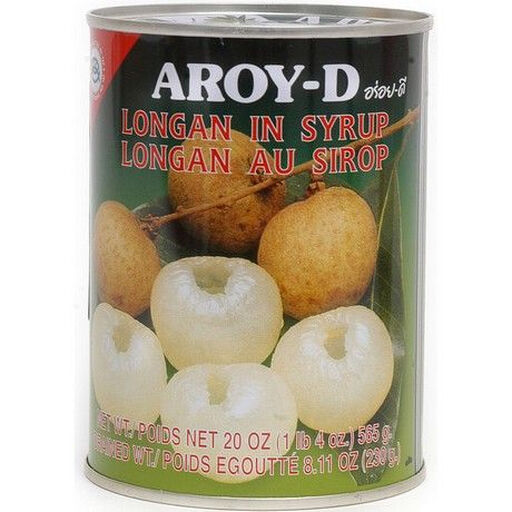 Image unavailable
If you’d rather serve a single fruit than a cocktail, this 565 g tin contains longans in syrup. Check the drained weight before planning your portions.
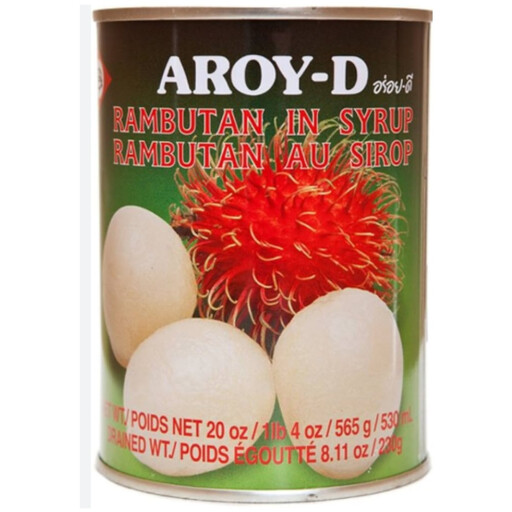 Image unavailable
These 565 g rambutans in syrup are an option if you want to make your dessert around a single fruit. Check the drained weight, allergen information and texture of the fruit before serving it to your guests.
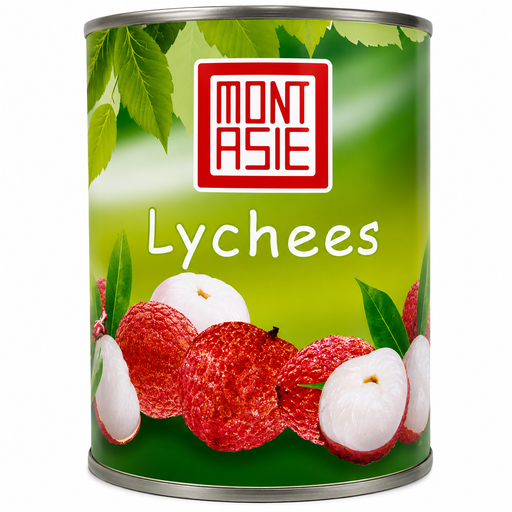 Image unavailable
If you’d rather serve lychees than a fruit mix, this tin comes in a 567 g size. Check the drained weight and storage instructions after opening on the packaging.
A large fruit cocktail or fruit salad is a good choice if you want to bring a bowl to the table for everyone to share. Pay particular attention to the drained weight when planning portions. For example, Auchan’s product information for Saint Mamet fruit salad gives a drained weight of 475 g from a total weight of 850 g.
No. The product may still contain sugars that occur naturally in the fruit. To compare two recipes, read their ingredients lists and nutritional information rather than trying to work out what they contain from this claim alone.
Follow the instructions on the product you’ve opened, as they can vary. For the Saint Mamet fruit salad sold at Auchan, the instructions say to keep leftovers in a suitable container in the fridge for 3 to 4 days. The French Ministry of the Economy also advises following the manufacturer’s instructions after opening.
It helps you distinguish the quantity of fruit from the weight of the covering liquid when preparing a dessert to serve. The DGCCRF states that the drained weight must appear on the label of foods presented in a covering liquid.