Shoppers looking to avoid added sugars
You’re looking for a recipe labelled ‘no added sugars’ and also comparing the amount of sugars listed per 100 g.


When choosing fruit in syrup for Epiphany, looking for a low fat content alone won’t help you choose between recipes: products from Auchan and Carrefour list less than 0.5 g or 0 g of fat per 100 g. Compare the ‘of which sugars’ line and the ingredients too, then choose the amount of fruit and pack size to suit your dessert. As Anses points out, ‘no added sugars’ does not mean sugar-free.
You’re looking for a recipe labelled ‘no added sugars’ and also comparing the amount of sugars listed per 100 g.
You’re choosing fruit and a quantity to suit a topping, a family recipe or serving at the table.
You prefer individual pots so you can share the fruit among your guests without preparing each portion separately.
If added sugar matters to you, start with the recipe, then choose between individual pots and a larger pack depending on how you plan to serve it. When comparing nutritional information, the DGCCRF states that values are given per 100 g or 100 ml.
| Criterion | What to check | Who it matters to |
|---|---|---|
| Added sugars | Check the ingredients, the ‘no added sugars’ claim and the ‘of which sugars’ line per 100 g; ‘light syrup’ alone doesn’t meet this criterion. | If I want to avoid added sugar in the fruit served with dessert, the recipe comes before the pack size; around 50% of consumers put this need first. |
| Serving | Check how many individual pots there are and how much they contain, or the shape of the fruit in a tin intended for a topping. | For serving each guest directly, I prefer portions that are ready to share out; this is the top priority for around 30% of consumers. |
| Amount of fruit | Check the drained weight to work out how much fruit you’ll have once the liquid has been removed. | When I’m preparing a topping to share, I want to make sure there’s enough fruit after draining; around 20% of consumers prioritise this amount first. |
Fat and sugars are two separate pieces of information. Some products from Auchan and Carrefour list 0 g or less than 0.5 g of fat per 100 g, but this figure tells you nothing about their sugar content.
Compare the ‘fat’ and ‘of which sugars’ lines separately, along with the ingredients list.
Anses points out that ingredients can contain sugars naturally. For example, one no-added-sugars product from Auchan lists 12 g of sugars per 100 g.
Check the claim, ingredients and ‘of which sugars’ value together before choosing.
A tin or pot also contains a covering liquid, so its total weight doesn’t necessarily match the amount of fruit you’ll serve once it has been drained.
For a topping or dessert to share, check the drained weight and compare it with the number of guests.
Carrefour offers, among other products, a no-added-sugars fruit cocktail in four pots, each with a drained weight of 70 g.
The range featured by E.Leclerc includes peaches, pears, apricots and fruit cocktails, in both tins and individual pots.
Auchan’s category includes its own-brand pots, as well as fruit in syrup or juice from other brands.
ALDI offers Baccara fruit pots in light syrup in a 280 g pack.
These tinned products are mainly suited to making an Epiphany dessert or topping. If you’re looking for a no-added-sugars recipe, check the ingredients before choosing: a low fat content doesn’t meet this requirement.
 Image unavailable
The pear halves could work well in a dessert or as a topping to share. The title states a drained weight of 455 g; the ingredients list sugar, which is worth bearing in mind if you want to avoid added sugars.
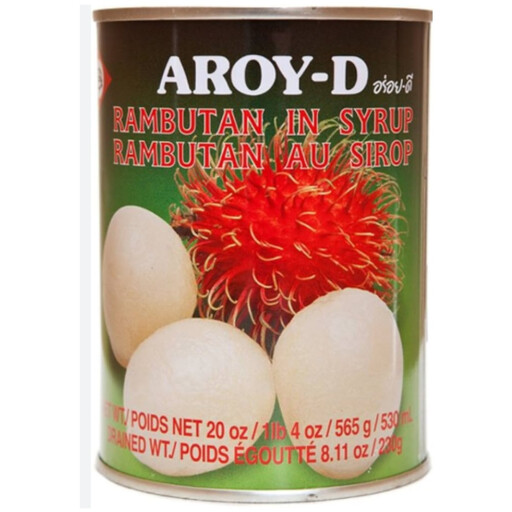 Image unavailable
These tinned rambutans could be added to a dessert or fruit salad. The stated pack size is 565 g; check the drained weight to work out how much you’ll have to serve. The ingredients list added sugar.
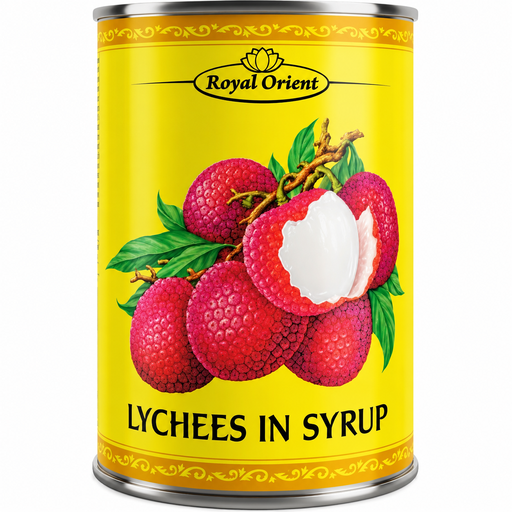 Image unavailable
Lychees in syrup can be used in a dessert or fruit salad. The tin is labelled 567 g; check the drained weight to estimate the amount of fruit. The ingredients list added sugar.
 Image unavailable
The mango slices can be used as a topping or added to a fruit salad. The tin is labelled 425 g; check the drained weight if the amount of fruit matters for your recipe. The ingredients list added sugar.
 Image unavailable
This tinned fruit cocktail could be a good choice for a dessert to share. The stated pack size is 850 g; check the drained weight to plan your portions. The ingredients list added sugar.
This criterion alone won’t help you choose the right recipe for your dessert. European regulations define a ‘low fat’ claim as no more than 3 g per 100 g of solid food; products featured by Auchan and Carrefour list 0 g or less than 0.5 g per 100 g. Compare the sugars, ingredients and amount of fruit you need too.
No. According to Anses, ingredients can contain sugars naturally even when no sugar has been added. The ‘of which sugars’ line per 100 g helps you compare recipes.
Check the drained weight to estimate how much fruit will be available once the covering liquid has been removed. The DGCCRF distinguishes this figure from the total weight of food sold in liquid; check the packaging of the product you choose before planning your portions.