Teams focused on ingredients and sugars
If you’re looking for a recipe with no added sugars, check the nutritional information too. Two St Mamet products listed by Auchan carry this claim, yet each contains 12 g of sugars per 100 g.


When choosing fruit in syrup for a care home meal, low fat content alone isn’t enough: products with and without added sugars all contain less than 0.5 g of fat per 100 g. Compare the recipe and the ‘of which sugars’ line, then choose a format that suits the way you serve meals. If a resident is receiving individual nutritional care, the dessert and portion size should be reviewed with the relevant care team.
If you’re looking for a recipe with no added sugars, check the nutritional information too. Two St Mamet products listed by Auchan carry this claim, yet each contains 12 g of sugars per 100 g.
Individual pots can make distribution easier when each dessert needs to be served separately. The selections listed by Auchan and Carrefour include packs of four pots.
A dessert’s fat content alone can’t determine whether it’s suitable as part of a nutritional care plan. The French National Authority for Health covers the identification and care of malnutrition in older people, including those living in care homes.
When choosing fruit in syrup for a care home meal, start by checking the recipe and the figures per 100 g, then look at the packaging. The portion served should also be suitable for any individual care plan the resident may have.
| Criterion | What to check | Who it’s for |
|---|---|---|
| Recipe and sugars | Compare the ingredients list and the ‘of which sugars’ line per 100 g: ‘no added sugars’ and low fat content refer to different things. | I want to distinguish the declared sugars from the fat content alone before choosing a recipe; around 42% of consumers would make this a priority. |
| Serving format | Choose between a container that you can portion out and individual pots; check the weight and the unit used for the nutritional values. | When serving needs to be straightforward, I favour packaging that fits the way meals are organised. Format would be the top criterion for around 33% of consumers. |
| Individual care plan | Check with the relevant team whether the dessert and portion size fit the resident’s meal plan. | If a resident is receiving nutritional care, I should first make sure the planned dessert is suitable for them; around 25% of consumers would prioritise this check. |
Two St Mamet products with no added sugars listed by Auchan and a classic St Mamet fruit cocktail listed by Joybuy all contain less than 0.5 g of fat per 100 g. However, the classic fruit cocktail contains sugar among its ingredients.
For each product, check the ingredients list and the ‘of which sugars’ line on the same per-100 g basis.
These descriptions aren’t interchangeable: ‘light syrup’ alone doesn’t tell you what the product contains or provide its nutritional values.
Check the exact claim, ingredients list and nutritional information for the product you choose.
An Auchan listing for St Mamet fruit pots states 4 × 80 g, but gives nutritional values per 120 g. You can’t use these figures to work out the values for each pot directly.
Check the weight and the basis used for the nutritional declaration on the packaging before calculating the portion to serve.
The French National Authority for Health addresses malnutrition in older people through appropriate identification and care. One nutritional characteristic alone can’t replace this support.
If a resident is affected, ask the professionals who oversee their diet to review the dessert and portion size.
The range includes fruit salads in juice with no added sugars, available in larger containers or individual pots, as well as classic fruit cocktails in syrup.
The Carrefour catalogue includes fruit in syrup in individual pots, including products labelled ‘no added sugars’.
This Marque Repère range listed by E.Leclerc includes fruit in light syrup in jars and individual pots.
These products in classic or light syrup come in containers that can be portioned out when serving. Their format can help you plan portions; you should still check the recipe and nutritional information for each product against the planned menu.
 Image unavailable
A container of pear halves to consider if the team portions the dessert themselves. The stated drained weight is 455 g; check the recipe and portion size selected for the menu.
 Image unavailable
Mango slices in a 425 g container, ready to portion out if that’s how the meal is served. Check the ingredients and declared sugars before adding this recipe to the menu.
 Image unavailable
The 850 g container is suitable for meals where the fruit cocktail is portioned onto plates. Before deciding on portion sizes, compare its ingredients and nutritional values with the planned menu.
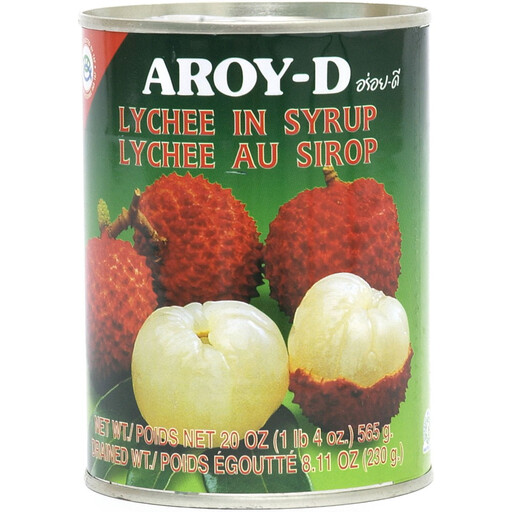 Image unavailable
A 565 g container of lychees to consider when portions are prepared at serving time. Check the ingredients and the ‘of which sugars’ line before deciding how much to serve.
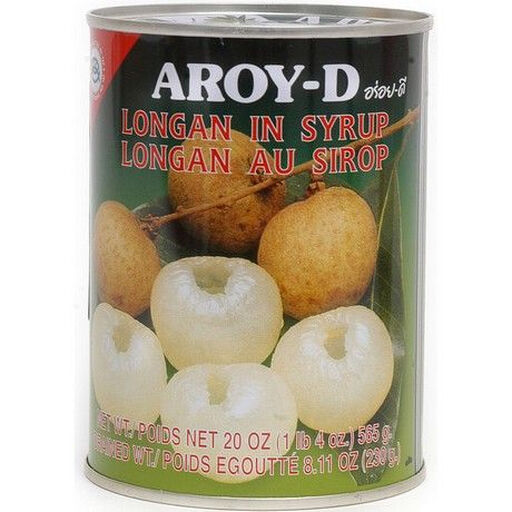 Image unavailable
This 565 g container can be divided into several portions. To compare its recipe with other fruit in syrup, use the nutritional values on the packaging of the product actually delivered.
No: the claim alone doesn’t tell you the total amount of sugars. Two St Mamet products with no added sugars listed by Auchan each declare 12 g of sugars per 100 g; check the ‘of which sugars’ line for the product you choose.
No: among the products reviewed, recipes with and without added sugars all contain less than 0.5 g of fat per 100 g. You can make a more informed choice by checking the ingredients, declared sugars, format and planned portion size.
No: this claim alone doesn’t determine whether the dessert is suitable as part of their diet. If a resident is affected, ask the care team to review the recipe and portion size as part of their individual plan; the French National Authority for Health treats malnutrition in older people as a matter of identification and care.