Campers keeping an eye on salt
You want to compare the figures per 100 g, rather than guess the salt content from the recipe name. Values vary between products, so check the nutrition table for the one you’re considering.


When choosing fruit in syrup to take camping, check the ‘salt’ line per 100 g for the specific product. ‘Light syrup’ and ‘no added sugar’ do not mean that the salt content has been reduced. If you can’t refrigerate leftovers after opening, choose a portion you can finish straight away. A large tin is better suited to a group that can share it or store the leftovers according to the pack instructions.
You want to compare the figures per 100 g, rather than guess the salt content from the recipe name. Values vary between products, so check the nutrition table for the one you’re considering.
You’re looking for a portion you can finish with your meal, as an opened container may need to be kept in the fridge. Check the storage instructions on the pack before planning to keep any leftovers.
You’re deciding between a no-added-sugar recipe, individual pots and a container to share. The ‘of which sugars’ line, the amount you can eat and the ‘salt’ line each answer a different question.
| What to consider | What to check | Who it matters to |
|---|---|---|
| Salt | Compare the ‘salt’ line per 100 g on the label for each product. Don’t assume that ‘light syrup’ means less salt. | I want to know how much salt is in my fruit in syrup before choosing, rather than relying on the recipe name; around 33% of consumers would prioritise this check. |
| Leftovers | Choose an amount you can finish with your meal, or check the storage instructions for after opening. | If I can’t refrigerate an opened container, I’d rather have a portion I can finish there and then; around 27% of consumers would make this a priority. |
| Sugars | Distinguish the ‘no added sugar’ claim from the amount shown on the ‘of which sugars’ line per 100 g. | If I’m looking for a no-added-sugar recipe, I also want to know how much sugar the product contains; around 20% of consumers would put this question first. |
| Amount to share | Check the pack size, the drained net weight if stated, and whether you’ll be able to finish the container after opening. | For a meal with other people, I want an amount the group can actually eat; around 20% of consumers would consider this a priority. |
The name of the syrup is no substitute for the ‘salt’ figure in the nutrition table. ‘No added sugar’ answers a different question, too.
To compare products, check the salt figure per 100 g for each one. Don’t present a figure on the label as a claim that the salt has been reduced.
Storage instructions can change once a container has been opened. A large tin isn’t very practical if no one can finish it and the leftovers need to be refrigerated.
Plan to finish a portion with your meal, or check that you’ll be able to follow the instructions on the pack.
The total contents of a tin and its drained net weight don’t always answer the same question. A sharing size is only useful if the group can actually eat it or store the leftovers.
Check the stated quantity, the drained weight if it’s shown on the product listing, and the instructions for after opening.
A no-added-sugar recipe may still contain sugars naturally present in the fruit or juice. The claim doesn’t tell you anything about the salt content, either.
Check the ingredients list, the ‘of which sugars’ line and the ‘salt’ line separately.
The brand offers fruit cocktails, peaches and pears in syrup, among other products, in a range of sizes.
Its 4 × 113 g pots of fruit in light syrup are a portion-sized option worth considering for camping.
Its orchard fruit cocktail with no added sugar comes in four pots, each with a drained net weight of 70 g.
E.Leclerc offers, among other products under this brand, a 500 g four-fruit cocktail in light syrup.
The range listed by E.Leclerc includes fruit cocktails in various sizes, as well as pots in a 4 × 70 g pack.
These containers of fruit in syrup are best suited to trips where several people can share the product. Before choosing, compare the salt content per 100 g and make sure you can follow the storage instructions after opening.
 Image unavailable
Worth considering if your group can share the container. Plan to refrigerate any leftovers after opening and follow the instructions on the pack.
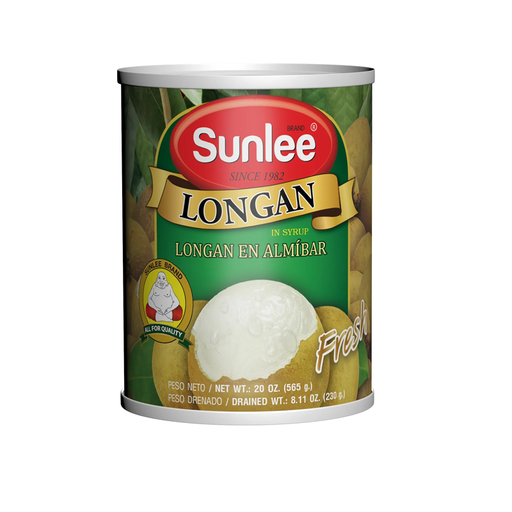 Image unavailable
This size can be shared at the campsite. If you don’t finish the tin, plan to transfer the leftovers to a sealed container and keep them in the fridge.
 Image unavailable
The drained weight helps you work out how much fruit there is to share. If you don’t finish the container, transfer the leftovers to a suitable container and refrigerate them according to the product instructions.
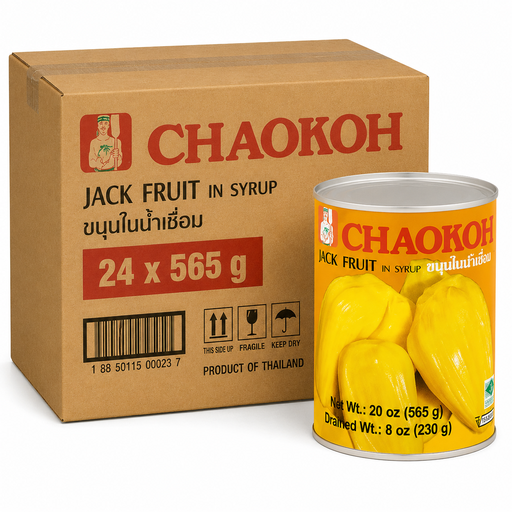 Image unavailable
This multipack is for a group that needs several tins. Check the number of tins and their exact contents before ordering. After opening, follow the instructions for transferring and refrigerating the contents.
No: the claim ‘light syrup’ doesn’t mean that the salt content has been reduced. To compare two products, check the ‘salt’ line per 100 g for each one, regardless of the recipe name.
Yes, if the storage conditions stated for the unopened product allow it. After opening, follow its storage instructions. If you can’t refrigerate leftovers when required, choose a portion you can finish straight away.
Check the date on the pack and its storage instructions. The DGCCRF distinguishes between the use-by date, which must be observed, and the best-before date. In either case, you should still follow the relevant instructions for after opening.
No: ‘no added sugar’ doesn’t mean ‘sugar-free’. The fruit or juice may contain sugars, so check the ‘of which sugars’ line per 100 g if this is an important factor in your choice.