Camper without refrigeration after opening
You want to serve dessert without carrying leftovers that need to be refrigerated. A single-serve pot or small tin you can finish with your meal is a better fit than a large tin left open.


For a camping dessert, first choose a size you can finish without needing to keep leftovers chilled: individual portions are handy for serving separately, while a large tin is better for sharing at a meal. If you’re after a more refined presentation, choose the fruit and how it’s cut to suit your taste, then compare the ingredients, sugars per 100 g and drained weight rather than relying on the packaging.
You want to serve dessert without carrying leftovers that need to be refrigerated. A single-serve pot or small tin you can finish with your meal is a better fit than a large tin left open.
You can open a larger tin if you plan to serve all of it at the same meal. Check the drained fruit weight to help you work out the portions.
You prefer a particular variety or cut of fruit, such as mango slices, lychees or a fruit cocktail. Choosing your dessert is a separate decision from choosing a size to take with you.
First decide whether you’ll finish the contents at the meal. Then compare the recipe and how the fruit is presented among the products in sizes suited to your trip.
| Criterion | What to check | Who this matters to |
|---|---|---|
| Leftovers after opening | Number and size of portions; storage instructions after opening. | Without access to refrigeration, I want to finish my portion with the meal rather than keep an open tin. Around 42% of consumers would prioritise avoiding leftovers that need refrigerating. |
| Syrup and ingredients | Type of liquid, ingredients list and sugars per 100 g for the product you’re considering. | If the ingredients matter more to me than how it’s presented, I compare what each recipe contains. Around 33% of consumers would prioritise checking the syrup and sugar content. |
| Dessert presentation | Fruit variety, how it’s cut and drained weight relative to the number of people eating. | For a dessert to share, I first look for fruit or a presentation the group will enjoy. Around 25% of consumers would prioritise this distinctive appeal. |
Storage instructions change once a product is open. For its 850 g pears in syrup, St Mamet says to keep them refrigerated in a suitable container for 3 to 4 days. This means you can’t leave the opened tin at room temperature.
Choose a size you can finish with your meal if you don’t have reliable refrigeration; otherwise, make sure you can follow the storage instructions for the product you buy.
A recipe made with juice or syrup, or labelled “no added sugar”, can have different nutritional values. The claim doesn’t replace checking the sugars per 100 g.
Compare the liquid, ingredients and nutritional information for each product you’re considering.
The fruit variety and the look of the packaging alone won’t tell you whether the recipe will suit your taste or the portions you need.
Choose the fruit and cut you want, then check the drained weight, ingredients and size before making your decision.
A range of tinned fruit and fruit pots offered by Carrefour France.
A range that includes fruit pots and tins for desserts or cooking.
A Marque Repère range offered by E.Leclerc, with tins and fruit pots.
A brand of fruit cocktail in light syrup offered by Aldi France.
A brand included in Auchan’s range of fruit pots and tinned fruit.
These Joybuy products include small tins of fruit cocktail and fruit in syrup to serve as they are or add to a dessert. For larger jars and tins, plan how you’ll use the contents and store any leftovers after opening before you set off.
 Image unavailable
The three small tins make it easy to serve the fruit cocktail separately and limit the amount left open after a meal.
Once you’ve opened a tin, follow the refrigeration instructions given for this product.
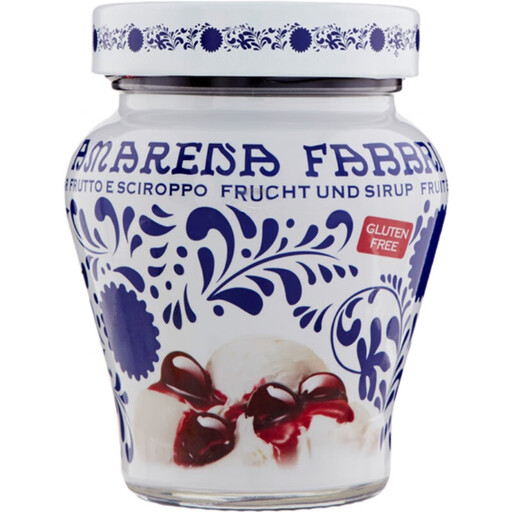 Image unavailable
This jar is a good choice if you’re looking for Amarena cherries to top a dessert, rather than a fruit cocktail to serve in individual portions.
Check how much you’ll need and the storage instructions after opening before taking it with you.
 Image unavailable
These mango slices are worth considering for a prepared or shared dessert if the 425 g tin is the right amount for your planned meal.
After opening, the instructions say to transfer the contents to a suitable container, refrigerate and use within two days.
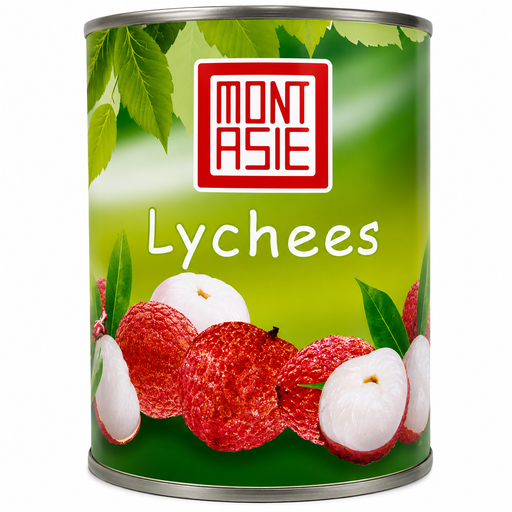 Image unavailable
This 567 g tin can be used to make a lychee dessert for several people; check that you’ll be able to use all the contents.
After opening, refrigerate any leftovers and check the label for instructions on when to use them.
 Image unavailable
This 565 g tin is worth considering for a rambutan dessert that you can share or store according to the instructions.
After opening, the instructions say to transfer any leftovers to an airtight container, refrigerate and use within three days. The product information also notes that traces of soya and milk may be present: check the label if this is relevant to you.
Choose a small portion if you won’t be able to keep leftovers chilled after opening. A large tin is suitable if your group can finish it with the meal. If you plan to store any for later, follow the product instructions, which may require refrigeration.
Compare the ingredients, sugars per 100 g, net quantity and drained weight when the fruit is packed in liquid. The French Directorate-General for Competition Policy, Consumer Affairs and Fraud Control highlights the importance of drained net weight for products packed in liquid; also check for any allergens and the storage instructions for the product you choose.
A best-before date that has passed does not mean the same thing as a use-by date. The French Agency for Food, Environmental and Occupational Health & Safety lists tinned foods among products covered by best-before dates. Before using one, check that the packaging is intact and read any product-specific instructions.
No. The presentation doesn’t tell you how much sugar a recipe contains. To choose a dessert you’ll enjoy, compare the fruit variety and how it’s cut, then check the ingredients and sugars per 100 g on each label.