Hosts serving a group
You’re making a dessert to share or several fruit-based recipes, and want to make sure you have enough drained fruit for your guests.


For a dessert to share or several dishes at the same barbecue, a large tin can be handy. However, compare the drained net weight to find out how much fruit you’ll have to serve. If you’re expecting only a few guests or serving dessert at different times, individual portions that you can open separately can help reduce leftovers. Whichever option you choose, check the ingredients and storage instructions after opening.
You’re making a dessert to share or several fruit-based recipes, and want to make sure you have enough drained fruit for your guests.
You’re serving a small group, or dessert will be eaten at different times. Pots or small tins let you open only what you need.
Before choosing fruit for a dessert, drink or sweet-and-savoury recipe, you compare the preserving liquid, ingredients list and sugar content shown in the nutritional information.
First, work out how much fruit you’ll be serving and when you’ll open the containers. Then compare the recipes and details given for each product.
| What to consider | What to check | Who is it for? |
|---|---|---|
| Amount of fruit | Drained net weight and the number of desserts or dishes you’re planning. | For a dessert to share, I want to make sure there’s enough fruit without counting the syrup as a portion. Around 40% of consumers would prioritise the amount of fruit to serve. |
| Leftovers and serving | Amount in each container and storage instructions after opening. | If dessert is being served at different times, I’d rather open only what will be eaten. Avoiding leftovers would be the priority for around 30% of consumers. |
| Ingredients | Ingredients list, type of liquid and sugars per 100 g. | I want to know whether the fruit is preserved in syrup, light syrup or juice before choosing a product. Around 20% of consumers would put the ingredients first. |
| Fruit and cut | Type of fruit and whether it comes in pieces, slices or halves. | For a specific recipe, I look first for the right fruit and cut, rather than the biggest container. The type of fruit would be the priority for around 10% of consumers. |
The total weight includes the preserving liquid. If you’re planning a dessert to share, it’s the drained net weight that matters.
Compare the drained net weight of each product with the dishes you’re planning before choosing between a large tin and individual portions.
Storage instructions vary by product. Auchan’s product listing for sliced mango says to consume it within 2 days, while Joybuy’s page for the 425 g St Mamet fruit cocktail says it will keep for 3 to 4 days in the fridge in a suitable container.
If you don’t expect to use the rest, choose containers that can be opened separately. Otherwise, have a suitable container ready and follow the instructions for the product you buy.
These terms refer to different recipes. A claim on the front of the pack doesn’t replace the ingredients list or the ‘of which sugars’ line in the nutritional information.
Check these details on the specific product you’re considering, especially if the type of liquid matters for your recipe.
The condition of a tin matters too. France’s Directorate-General for Competition Policy, Consumer Affairs and Fraud Control warns that bulging, rust or dents can be signs of damage.
Don’t use a tin that looks suspect. Once opened, follow the manufacturer’s storage instructions.
These products are examples of different formats and recipes to consider depending on the number of guests. A brand’s inclusion here doesn’t mean it will be available when you shop.
Fruit cocktails in different formats, giving you options for a dessert to share or a smaller serving.
A range that includes large tins of fruit and small pots.
Fruit pots and tins of specific fruits, to suit your recipe and the amount you need.
A small-format fruit cocktail to compare with tins intended for a dessert to share.
An example of pears in syrup in a medium-sized format.
This range includes a large tin of fruit cocktail, multipacks of tins to open separately, and specific fruits for a dessert or recipe. To work out how many portions you’ll get, compare the drained net weight where it’s shown on the product page.
 Image unavailable
A tin to consider for a dessert to share or several dishes on the same day.
850 g format. Check the drained net weight to estimate how much fruit you’ll have to serve.
After opening, transfer the fruit to a suitable container and follow the storage instructions on the product page.
 Image unavailable
A multipack to consider if you’d like to open the tins as and when you serve dessert.
Twelve tins of 245 g each. Check the drained net weight per tin to work out your portions.
The product page recommends consuming the contents immediately after opening.
 Image unavailable
Three small tins for serving at different times.
Each tin weighs 125 g. Check the drained net weight per tin before working out your portions.
Check how much you’ll need if you’re making dessert for a large group.
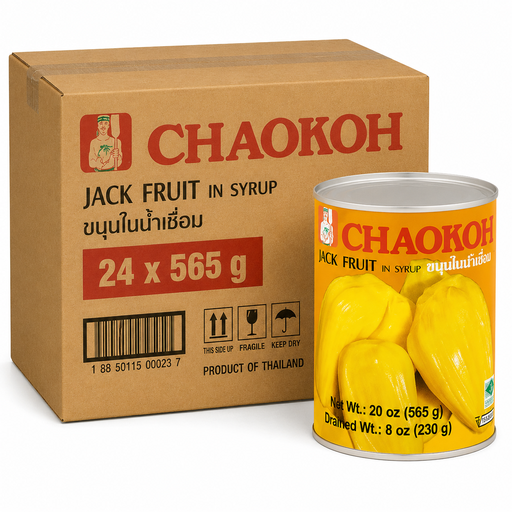 Image unavailable
A case of several tins to consider if you’re planning multiple servings, rather than just one small barbecue.
Twenty-four tins of 565 g. Check the drained net weight per tin before working out your portions.
After opening, the product page says to transfer any leftovers to a non-metallic container, refrigerate and consume within 2 to 3 days.
 Image unavailable
An option to consider if your dessert calls for pear halves rather than a fruit cocktail.
Drained weight shown: 455 g; this may vary.
After opening, the product page says to transfer the fruit to a suitable container, refrigerate and consume within 3 to 4 days.
Use the drained net weight, then consider how many guests you’re serving and what other desserts you’re planning. A tin’s total weight includes the liquid too. For small pots, add together the drained weights shown for each portion.
Follow the instructions for the product you’ve bought, as storage times vary. Joybuy’s page for the 425 g St Mamet fruit cocktail says to keep it in the fridge for 3 to 4 days in a suitable container, while Auchan’s product listing for sliced mango says to consume it within 2 days.
The date alone isn’t enough to judge the condition of a tin: check it before opening too. France’s Directorate-General for Competition Policy, Consumer Affairs and Fraud Control warns that bulging, rust or dents can be signs of damage, and recommends not eating the contents if you have any doubts.
No. ‘No added sugars’ doesn’t mean the product contains no sugars. To compare two products, check their ingredients lists and the ‘of which sugars’ line in the nutritional information per 100 g.