Parents planning a short baking session
Pre-cut fruit in individual pots makes it easy to give each child a topping for a dessert glass, tartlet or sundae, without having to start by sharing out a large tin.


For topping several individual desserts with children, choose pots where the fruit, cut and drained weight suit your recipe. A tin that you can portion yourself is a better fit for a tart or when you need a specific amount of one type of fruit. Whether you choose light syrup or “no added sugar”, check the ingredients and the “of which sugars” line: these claims are not equivalent.
Pre-cut fruit in individual pots makes it easy to give each child a topping for a dessert glass, tartlet or sundae, without having to start by sharing out a large tin.
The ingredients list helps you distinguish fruit in syrup made with sugar from a product labelled “no added sugar”. The latter may still contain sugars naturally present in the fruit.
For a small batch, the number of pots and their drained weight matter more than the pack size alone. They help you work out how much fruit to share out and how many packs to open.
Start with the type and quantity of fruit your recipe needs, then choose the pack format and check the ingredients in the covering liquid. Pots and larger formats call for different preparations during your baking session.
Choose these if: you’re sharing pre-cut fruit cocktail between several small desserts and want a product labelled with this claim.
Bear in mind: you’re limited to the fruit in the mix, which still contains naturally occurring sugars. The ST MAMET product described by Carrefour comes in four 113 g pots.
Choose these if: a ready-to-portion selection and its covering liquid suit your dessert glasses or fruit salad.
Bear in mind: “light syrup” does not mean “no added sugar”. The peach, mandarin, pear and grape pot described by Auchan contains water and sugar, among other ingredients.
Choose this if: a tart or cake needs more fruit, or a specific shape such as pear halves or slices.
Bear in mind: you’ll need to portion the fruit yourself and follow the product’s storage instructions if you don’t use the whole tin.
| What to consider | What to check | Who is this for? |
|---|---|---|
| Portioning | Count the pots and compare their drained weight with the amount of fruit needed for each dessert. | If each child is topping their own dessert during a short baking session, I want to be able to hand out the fruit without portioning it first. Around 29% of consumers would put ease of portioning first. |
| Added sugars | Check the ingredients, any “no added sugar” claim and the “of which sugars” line per 100 g. | When choosing ingredients for a dessert, I want to know whether the product contains added sugar without confusing this with its total sugar content. This would be the top priority for around 29% of consumers. |
| Fruit and cut | Check which fruits are in the mix and how they’re cut: pieces, slices or halves to suit your recipe. | My tartlet needs a particular fruit or presentation; a ready-to-serve cocktail won’t necessarily fit the bill. Around 24% of consumers would prioritise matching the fruit to the recipe. |
| Leftovers after opening | Choose a pack size that suits your batch and check the storage instructions for after opening. | If I’m only making a few desserts, I’d rather open an amount I can use in line with the product’s instructions. For around 18% of consumers, avoiding leftovers would come before other considerations. |
These claims mean different things. The fruit pot in light syrup featured by Auchan includes sugar in its ingredients, while the no-added-sugar ST MAMET product featured by Carrefour states that it contains naturally occurring sugars.
Compare the ingredients and the “of which sugars” line per 100 g rather than making your decision based on the word “light” alone.
A mix of fruit pieces is no substitute for pineapple slices or pear halves when their shape is part of the planned topping.
Before choosing between pots and a tin, make a note of the fruit, cut and drained quantity you need.
If the mix only suits part of the recipe, you’ll need to find another use for the remaining fruit.
The weight of the contents with the liquid is not the same as the amount of fruit available for topping your desserts. According to the French Ministry of the Economy, the drained net weight must be stated for food sold in liquid.
Use this weight and the amount of fruit you want for each bake to work out how many portions you’ll get.
Storage instructions after opening vary by product. The Joybuy listing for the ST MAMET 3 × 125 g fruit cocktail says to keep it in a suitable container in the fridge for 3 to 4 days after opening.
Check the instructions on the pack you buy and plan how you’ll use the rest before choosing a format.
Carrefour lists an ST MAMET fruit cocktail with no added sugar in four 113 g pots.
Auchan offers fruit pots in light syrup, including multipacks of four.
Carrefour’s fruit in syrup range includes individual pots, with fruit cocktails available in different formats.
E.Leclerc’s own-brand range includes peach, pear and cherry pots in light syrup, in a 4 × 70 g pack.
ALDI France offers BACCARA fruit pots in light syrup as individual portions.
This selection includes a fruit cocktail in three small containers, as well as fruit you can portion yourself for a tart, cake or individual desserts. Choose according to the fruit and cut your recipe calls for: none of these formats is automatically a substitute for an individual pot with no added sugar.
 Image unavailable
Worth considering if you want to share fruit cocktail between several small desserts, opening the containers as needed.
Pack of three 125 g containers. Check the drained net weight on the product you choose to work out how much fruit you’ll have for your toppings.
 Image unavailable
A format you can portion yourself for a recipe that needs pear halves rather than a mix of fruit pieces.
Drained weight stated: 455 g. Plan to share out the fruit yourself if each child is topping their own dessert.
 Image unavailable
Consider this for a bake that needs peach halves. You’ll need to portion them before the children top their desserts.
Drained weight stated: 230 g. Check whether the fruit is the right shape as it is, or whether your recipe calls for it to be cut further.
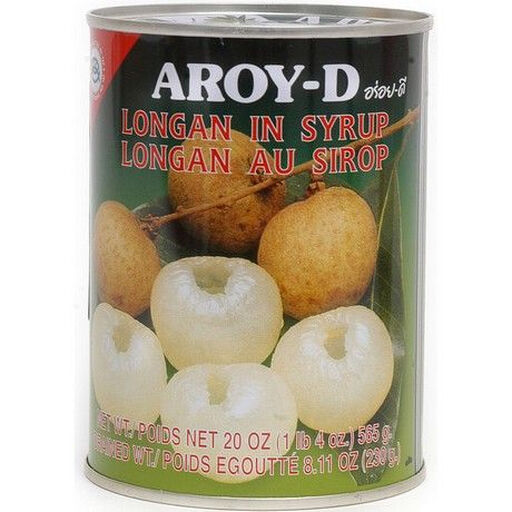 Image unavailable
If your recipe calls for longans, this large format means you’ll need to prepare the portions for the children yourself.
The 565 g refers to the product size, not necessarily the amount of drained fruit. Check the drained weight before working out how much to use for your toppings.
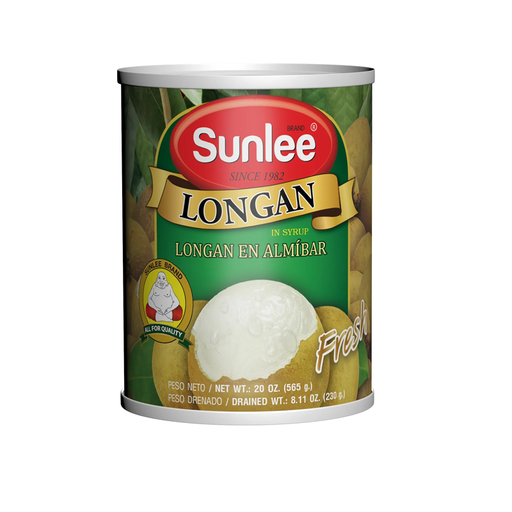 Image unavailable
Another option to portion yourself when your recipe calls for longans rather than a fruit mix.
565 g tin. Check the drained net weight to work out how much fruit you’ll have, and follow the storage instructions if you don’t use the whole tin.
No: the fruit may still contain naturally occurring sugars. To compare two fruit pots, check the ingredients list and the “of which sugars” line in the nutritional information. This figure includes more than just added sugars.
Look for the drained net weight, which is the solid product without its covering liquid. The French Ministry of the Economy says this weight must be shown when a food is sold in liquid; it’s the useful figure for working out how much fruit you’ll have for your toppings.
Yes, if the fruit, cut and drained quantity suit the recipe, but you’ll need to share the contents between the desserts. Individual pots save you this step when each child is making a small portion.
Follow the storage instructions for the product you bought and plan how to use the leftovers. As a product-specific example, the Joybuy listing for the ST MAMET 3 × 125 g fruit cocktail says to keep it in a suitable container in the fridge for 3 to 4 days after opening.
Yes, with adult supervision and appropriate food hygiene. Anses highlights the importance of good kitchen hygiene and using utensils correctly, so prepare the fruit and tools to suit the tasks you give the children.