What should you check before choosing?
When choosing a topping for toast, start with what matters most to you: a strictly ‘sugar-free’ claim, a fruit spread with no added sugars, or a cocoa and hazelnut spread. These three preferences won’t lead you to the same product.
| Criteria |
What to check |
Who is it for? |
| No sugars |
Compare the claim on the packaging with the ‘of which sugars’ line per 100 g. For a ‘sugar-free’ claim, the EU threshold is no more than 0.5 g of sugars per 100 g. |
If I’m looking for a product that is genuinely ‘sugar-free’, simply having no added sugars doesn’t meet my needs. Around 40% of consumers put this strict requirement first. |
| Similar to jam |
Check that it’s a spread, then look at the ingredients and sugar content per 100 g. Fruit paste is a confectionery product. |
If I want a fruity topping that’s easy to spread, I’d choose a fruit spread rather than confectionery. This familiar way of using a product is the main priority for around 30% of consumers. |
| A taste of cocoa and hazelnut |
For a spread with no added sugars, compare the sugars, fat and ingredients; read the warning if the recipe contains polyols. |
If I mainly want the taste of cocoa and hazelnut on my toast, I’m happy to choose a recipe that’s different from jam, while still checking its ingredients. Around 30% of consumers prioritise this option. |
Joybuy fruit spreads for toast
These Lucien Georgelin products are fruit spreads labelled as having no added sugars, available in individual jars or as a selection. They’re suited to anyone looking for a fruity topping for toast, rather than fruit paste or cocoa and hazelnut spread. For each flavour, check the ‘of which sugars’ line if you want to know the actual sugar content.
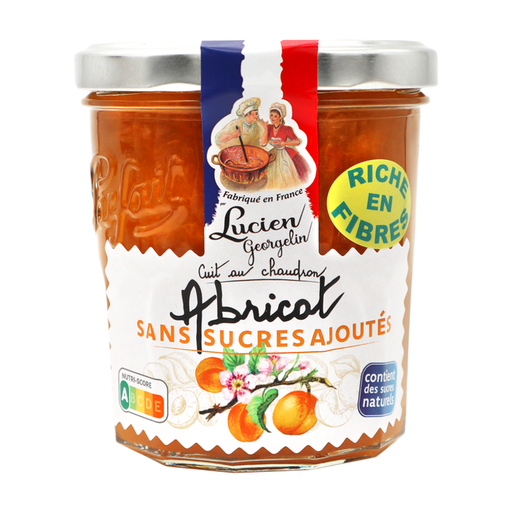 Image unavailable
Lucien Georgelin apricot spread with no added sugars, 320 g
An apricot option for topping toast. The jar contains 320 g; check the sugar content on the label if you’re looking for more than just a product with no added sugars.
View on Joybuy
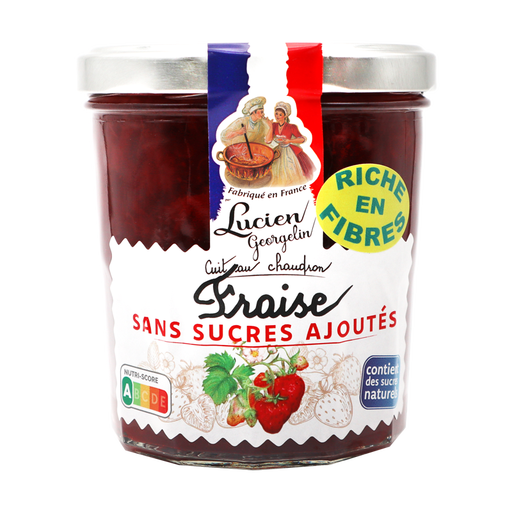 Image unavailable
Lucien Georgelin strawberry spread with no added sugars, 320 g
Worth considering if you prefer strawberry as a toast topping. This 320 g jar is labelled as having no added sugars; check the ingredients and nutritional information to assess the recipe itself.
View on Joybuy
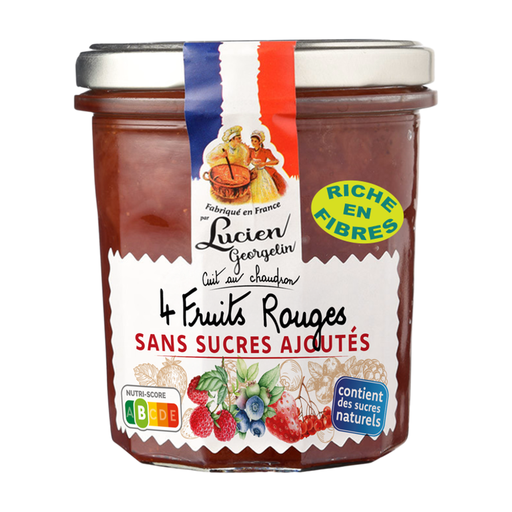 Image unavailable
Lucien Georgelin four red fruit spread with no added sugars, 320 g
This red fruit blend offers a different flavour for toast, in a 320 g jar. The ‘no added sugars’ claim doesn’t tell you the total sugar content: read the relevant line per 100 g before comparing it with other jars.
View on Joybuy
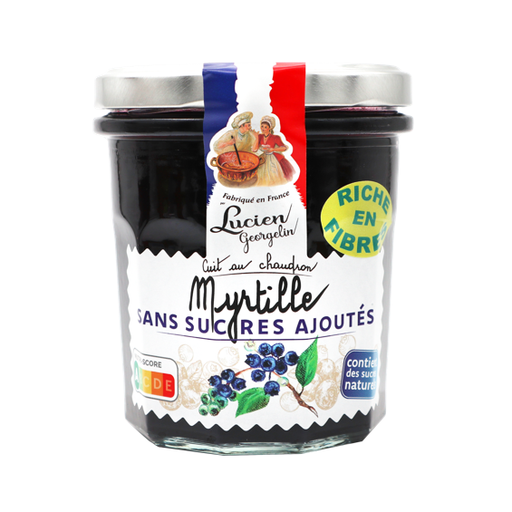 Image unavailable
Lucien Georgelin blueberry spread with no added sugars, 320 g
For blueberry toast, this spread comes in a 320 g jar. If you’re comparing flavours, use the nutritional information per 100 g rather than relying on the ‘no added sugars’ claim alone.
View on Joybuy
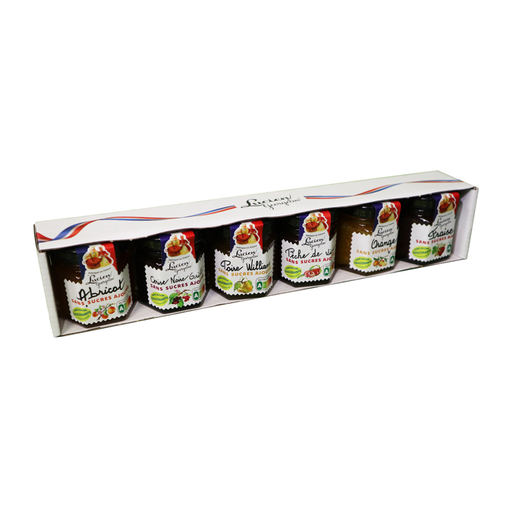 Image unavailable
Lucien Georgelin selection with no added sugars, 6 x 47 g jars
This format lets you enjoy a variety of fruit spreads on toast. Check the packaging to confirm which flavours are included: the product title and description don’t agree on one of them. Also check the nutritional information for each jar before comparing flavours.
View on Joybuy
Frequently asked questions
Is Nutri-Score compulsory on jam or spread?
No. According to the European Commission, front-of-pack nutrition information is voluntary; it’s separate from the nutrition declaration generally required for pre-packed foods. If a Nutri-Score is shown, use it alongside the ingredients and nutritional information.
Does ‘no added sugars’ mean ‘sugar-free’?
No. In the European Union, Regulation (EC) No 1924/2006 sets the threshold for the ‘sugar-free’ claim at no more than 0.5 g of sugars per 100 g or 100 ml. A fruit spread with no added sugars may still contain sugars, so check the ‘of which sugars’ line.
Can fruit paste replace jam on toast?
Not in the same way: fruit paste is a confectionery product, whereas jam or a fruit spread is intended to be spread. The ingredients list published by Joybuy for Saint Siffrein fruit pastes includes sugar and glucose syrup. If you’re looking for a spread, check the product name and texture before choosing.
What should I check in a spread containing maltitol?
Read the warning and nutritional information for the specific product. Auchan’s listing for a Karéléa spread containing maltitol says that excessive consumption may have laxative effects; this warning applies to the recipe described, not to every spread with no added sugars.
How should I store a fruit spread after opening?
Follow the instructions on your jar. For a Lucien Georgelin selection, Joybuy recommends refrigerating it after opening and consuming it within 10 days; don’t automatically apply this guidance to a different product.


