
Livraison le jour même ou le lendemain

Qualité garantie

Débloquez vos offres de bienvenue: Livraison GRATUITE | Jusqu'à -80 % | 30 jours d'essai gratuits à JoyPlus
Téléchargez l'application
Are you looking for fruit snacks that are easy to slip into a bag, exotic fruits for cooking, or organic treats for your baby? The range is vast, but the packaging can hide significant differences between a simply dried fruit, a candied fruit, a preparation in syrup, or a frozen product.
Three common pitfalls keep cropping up:
The right choice depends above all on what you plan to do with it:
In France and the European Union, the ingredients list must allow you to know the exact composition of the product. In particular, check:
For example, TCT passion fruit shows a composition of 100% passion fruit, while Asian Choice jackfruit contains jackfruit and no stated additives. Conversely, a preserved plum may combine fruit, sugar, salt, liquorice and several additives. These products do not serve the same purposes or satisfy the same cravings: there is no point comparing them by appearance alone.
A small pouch of 30 to 180 g is ideal for a snack or for carrying around. Tins of 425 to 567 g are better suited to family cooking, desserts or catering. Cases of 24 tins, such as CHAOKOH jackfruit, are aimed more at professionals and bulk buyers.
After opening, follow the instructions on the packaging. Tinned fruit should generally be placed in the fridge, in a non-metallic container, and consumed within two to four days depending on the product. Dried fruits should be kept in a cool, dry place, in a carefully resealed bag.
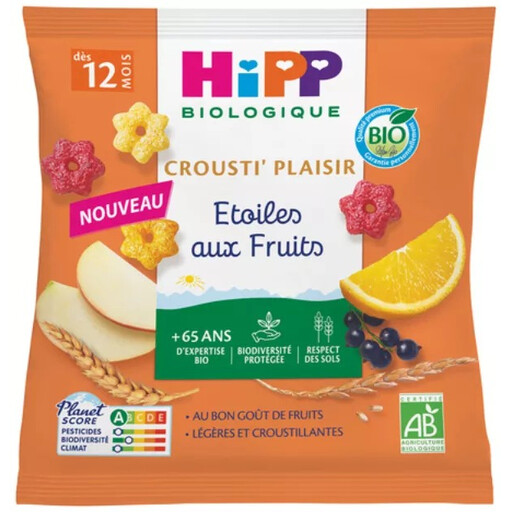
Why this choice suits this profile: At 30 g, this pouch lets you try a fruit snack in an individual portion without investing in a larger size. It is intended for children from 12 months, under supervision during consumption.
The recommended age, format and allergens are clearly stated. Still, check the packaging and be aware of the presence of gluten.
An organic product, with no added preservatives or colourings according to its description, offered in a convenient 30 g format.
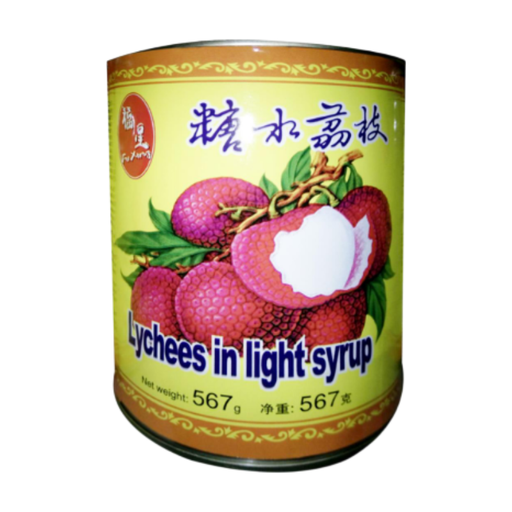
Why this choice suits this profile: These whole lychees in syrup add a polished touch to desserts, fruit salads and drinks. Their 567 g format allows you to make several preparations.
The composition lists lychees, water, sugar and citric acid. This syrup should therefore not be mistaken for fresh fruit with no added sugar.
Whole, peeled lychees, ready to serve, with room-temperature storage before opening.
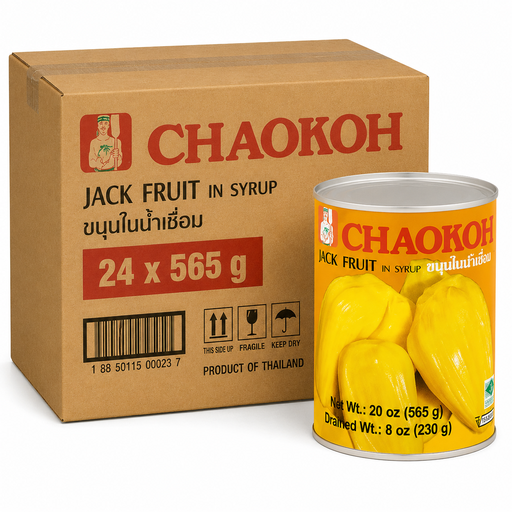
Why this choice suits this profile: The case of 24 tins of 565 g is aimed at restaurants, caterers and fans of Asian cuisine who regularly use jackfruit in their desserts or fruit cocktails.
The bulk packaging avoids multiple purchases, while the composition clearly states the presence of fruit, water and sugar. However, make sure you have enough storage space.
24 tins of 565 g, ready to use, suitable for professional service and recipes requiring multiple portions.
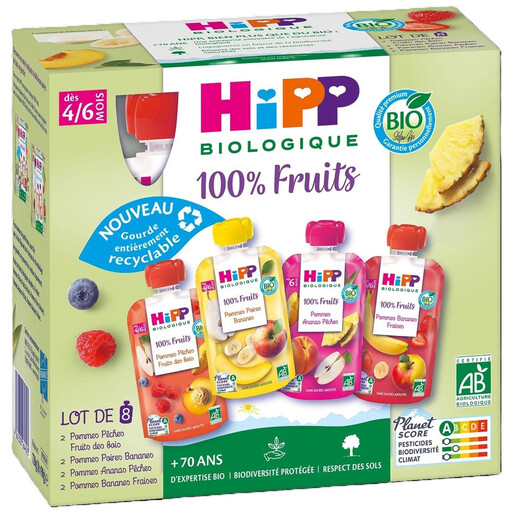
Why this choice suits this profile: This multipack offers four recipes made with organic fruit, in 90 g pouches, from 4 or 6 months depending on the product's indication and the advice of the healthcare professional looking after your child.
The recommended age for introduction is stated, and the description confirms no added sugars. Always read the label and never leave a baby eating unsupervised.
Eight individual pouches, four fruity recipes and room-temperature storage before opening.
We have put together a comprehensive, real-time selection of products that meet these strict criteria and the requirements of European safety regulations.
For a baby, the age stated on the packaging comes before everything else. Pouch purées and some organic biscuits are available from 4, 6 or 12 months, depending on their recipe and texture. Check the allergens, always supervise your child while they are eating, and ask a healthcare professional for advice if you have any doubts.
An unopened tin generally keeps at room temperature, in a dry place away from heat, until the date shown on the packaging. After opening, transfer the contents to a suitable container, place it in the fridge and consume it quickly, following the manufacturer's instructions.
Dried fruits are convenient to carry and snack on. Frozen fruits are better suited to smoothies, desserts and culinary preparations, but must be stored at –18 °C or below. So before you order, consider the texture you want, the space you have available, and how often you plan to use them.