
Livraison le jour même ou le lendemain

Qualité garantie

Débloquez vos offres de bienvenue: Livraison GRATUITE | Jusqu'à -80 % | 30 jours d'essai gratuits à JoyPlus
Téléchargez l'application
Snack time is a cherished part of a child's day—a break that's as delicious as it is comforting. The fruit pouch has quickly become the go-to solution for busy parents. Easy to slip into a school bag or sports kit, it seems to tick all the boxes. However, behind the colourful packaging and marketing promises, not all pouches are created equal, and making an informed choice isn't always straightforward.
Some products, despite looking like the perfect snack, can hide nutritional traps. Before you fill your shopping cart, you need to know how to avoid the two most common pitfalls to offer a truly healthy snack for your child.
To sort the good from the bad, you just need to focus on a few key, but decisive, points.
To find a fruit puree pouch that is both convenient and nutritionally sound, two elements on the label must be carefully scrutinised.
A good drinkable fruit puree should primarily contain... fruit. It seems obvious, yet it's not always the case. The golden rule is simplicity: a short ingredient list is often the best indicator of quality.
The nutritional facts panel is your best ally for assessing the quality of a no-added-sugar fruit puree.
Because every family has its own routines and priorities, here is our selection of products that meet different needs while adhering to our quality criteria.
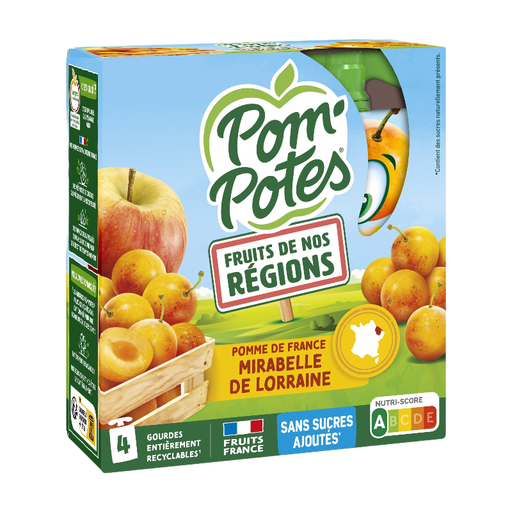
Why we chose it: A must-have for families who like to stock up on healthy snacks. The multipack format is economical and perfect for packing school bags for the week.
The recipe is guaranteed to have no added sugar and contains only the sugars from the fruit. The ingredient list is clear and short, with 99.85% fruit.
Made in France with French-origin apples and Mirabelle plums from Lorraine (PGI). The composition is flawless: no colourings, no preservatives, and no artificial flavours.
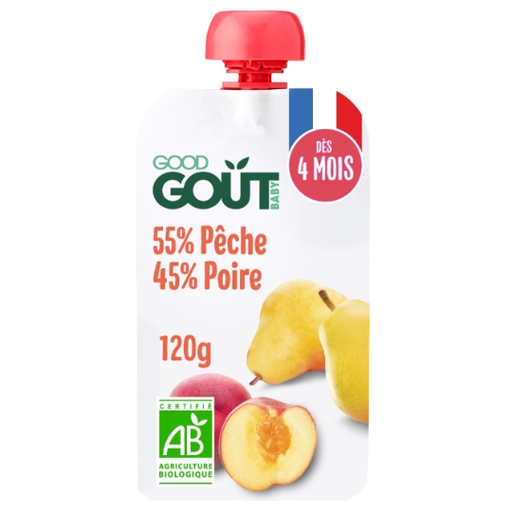
Why we chose it: The benchmark for parents who prioritise organic food from an early age and seek the purest possible composition.
The composition is exemplary in its simplicity: 99.7% organic fruit (peaches and pears) and a touch of organic lemon juice. That's it. No added sugar, no hidden additives.
A smooth, certified organic fruit puree made in France. It's designed to introduce young children to the true taste of fruit, without any artificial enhancements.
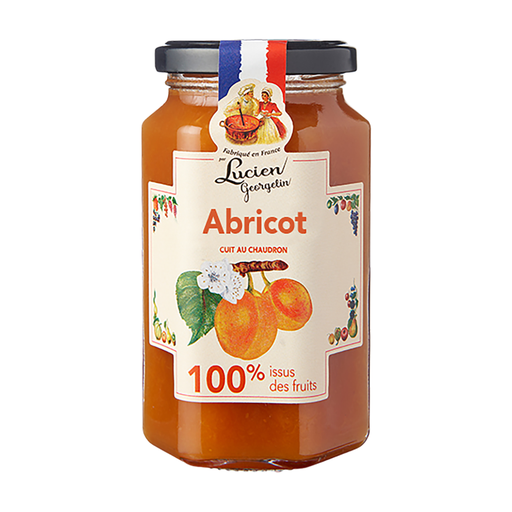
Why we chose it: It's not a pouch, but this jar is an excellent alternative for at-home use. The spread is perfect for topping yoghurt, pancakes, or cottage cheese.
This spread is sweetened only with sugars derived from fruit, with no refined sugar added. The composition highlights a high content of French apricots (60%).
A versatile, family-sized format, ideal for home consumption, that offers an authentic taste thanks to a simple, high-quality composition.
Discover our complete and updated selection of products that meet our strict selection criteria and current regulations.
A fruit pouch, especially if it's 100% fruit and has no added sugar, is an excellent practical alternative. However, it doesn't completely replace a piece of fresh fruit, which provides more fibre (especially from the skin), encourages chewing, and is more satiating. The pouch remains a great option for on-the-go snacks or simply to add variety.
Once opened, a fruit pouch should be kept in the refrigerator and consumed within 24 hours. Contact with the air can alter the taste and quality of the product. Remember to close the cap tightly and place it in the coldest part of your refrigerator.
Most fruit pouches are suitable for children as soon as they can eat with a spoon and hold the pouch themselves, generally around 12 months. However, it is crucial to always supervise a young child when they are consuming a pouch to avoid any risk of choking on the cap. For toddlers who are just starting on solid foods, it's best to squeeze the puree into a bowl and feed it to them with a spoon.