Hosts looking for a cocoa flavour
If dark chocolate matters more than fruit, look for a cocoa percentage on the chocolate product. The word “dark” alongside fruit pastes isn’t enough to tell you what they’re made with.


For birthday drinks, don’t choose “dark fruit pastes” based on the name alone: the assortments featured by Carrefour and Auchan bring together chocolates and fruit pastes, but don’t establish that the fruit pastes contain dark chocolate. If your guests are looking for a clear cocoa flavour, choose chocolate with a stated cocoa percentage and serve the fruit pastes alongside it. If fruit-flavoured bites are the priority, compare the flavours, ingredients and sugars per 100 g instead.
If dark chocolate matters more than fruit, look for a cocoa percentage on the chocolate product. The word “dark” alongside fruit pastes isn’t enough to tell you what they’re made with.
To offer a range of flavours on your platter, compare the fruits listed in the ingredients, the size of the pieces and the sugars per 100 g. Classic fruit pastes alone won’t satisfy a search for cocoa.
If any of your guests have allergies, check the specific product you plan to serve. The ingredients and allergen information for a chocolate assortment may differ from those for fruit pastes sold on their own.
Before putting together your platter, decide whether you want fruit pastes on their own, an assortment containing both types of confectionery, or dark chocolate served separately.
Choose these: if you mainly want to offer a range of fruity flavours to share.
The trade-off: this option alone doesn’t give you a cocoa content to compare.
Choose this: if you want chocolates and fruit pastes together in one box.
The trade-off: the presence of chocolates doesn’t mean the fruit pastes are chocolate-flavoured.
Choose this: if a stated cocoa percentage on the chocolate is important to your guests.
The trade-off: serve fruit pastes separately if you’d also like to offer fruity bites.
| Criterion | What to check | Who is it for? |
|---|---|---|
| Cocoa flavour | The cocoa percentage of the chocolate and the types of confectionery in an assortment. | If I want to serve dark chocolate with a clearly stated cocoa content, I look for a percentage. Around 25% of consumers put this cocoa check first. |
| Fruit variety | The flavours, the proportion of purées or fruit pulp when stated, and the pack size. | If I want a selection of fruity bites on the platter, the choice of flavours matters more than the chocolate. This is the priority for around 33% of consumers. |
| Ingredients and allergens | The ingredients, allergens and any “may contain” warnings, followed by the nutritional values per 100 g. | Before serving guests with allergies, I need to be able to check the contents of the box I’ve chosen. Around 42% of consumers put checking the label first. |
When comparing nutritional information, pay particular attention to sugars and fat per 100 g. According to Santé publique France and the DGCCRF, Nutri-Score is voluntary: you can use it if it appears on the packaging, but don’t draw conclusions simply because it isn’t there.
An assortment may contain separate dark chocolates and fruit pastes. The name alone doesn’t tell you the cocoa content of each bite.
If cocoa is your main consideration, check the percentage on the chocolate and read the ingredients for the assortment.
In France, Santé publique France and the DGCCRF describe Nutri-Score as a voluntary label. It is separate from the nutrition declaration generally required for pre-packed foods, subject to applicable exemptions.
Compare the nutritional information per 100 g, and use Nutri-Score as an additional guide when it is displayed.
The ingredients in a chocolate and a fruit paste can differ, even within the same box. The assortment’s name is no substitute for checking the information for the specific product you’ve bought.
Check the packaging before serving and keep it nearby so any guests concerned can read the information.
Fruit pastes sold on their own or in an assortment with chocolate sweets, depending on the product.
Fruit paste bars for a fruity selection, rather than for anyone looking for dark chocolate.
Dark chocolate to serve separately when you want the cocoa content to be stated as a percentage.
These Joybuy chocolate bars are a good choice if you’re looking for a stated cocoa percentage. Serve them separately from the fruit pastes if you’d like to offer both types of confectionery with drinks.
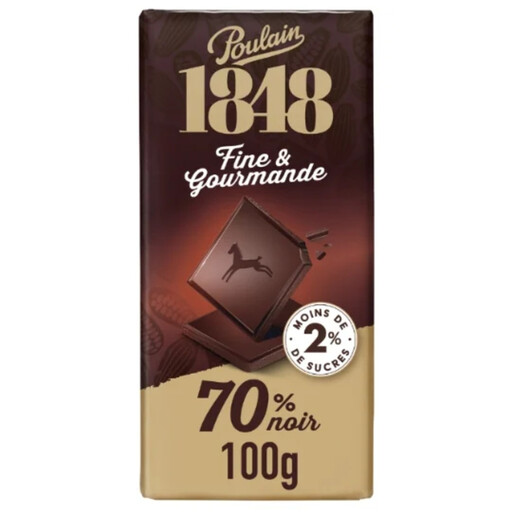 Image unavailable
Add this option with a stated cocoa content to your platter, alongside the fruit pastes. The description states a minimum cocoa content of 70%; this 100 g bar is not a fruit paste. It may contain traces of nuts, milk and soya, so check the packaging before serving it to guests with allergies.
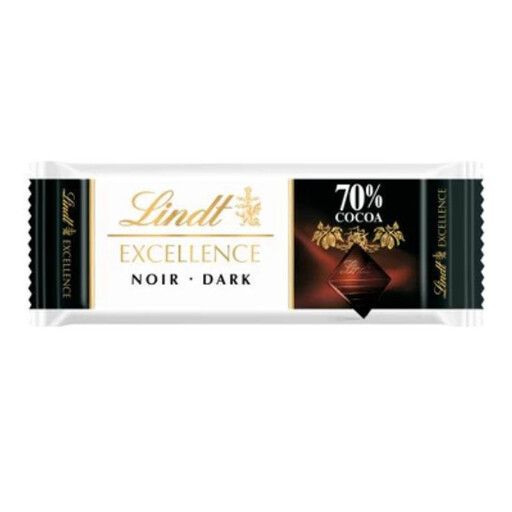 Image unavailable
A small dark chocolate bar to serve separately from the fruity bites. The description states a minimum cocoa content of 70% and says it contains maltitol; it warns that excessive consumption may have a laxative effect. Soya is listed among the ingredients, so check the packaging for any guests with allergies.
No. Santé publique France and the DGCCRF say that displaying it is voluntary. A nutrition declaration is generally compulsory for pre-packed foods, subject to applicable exemptions; check it to compare nutritional values per 100 g.
Not necessarily. The Jacquot assortment featured by Carrefour and the chocolate and fruit paste assortment featured by Auchan list the two types of confectionery separately. Check the product name and ingredients for the product you choose before assuming the fruit pastes are chocolate-coated.
Look for the cocoa percentage on the chocolate itself. For example, the Nestlé Dessert bar featured by Auchan states a minimum cocoa content of 70%; this figure doesn’t describe the fruit pastes served alongside it.
Read the ingredients, listed allergens and any “may contain” warnings on the packaging of the box you’ve bought. Keep the packaging handy while serving, as the ingredients can vary between assortments.