Managers who pay attention to ingredients
You need to choose a clearly defined drink category for the canteen and distinguish juice from nectar or a fruit drink before approving a product.


For a workplace canteen, first choose between pure juice, juice from concentrate, nectar and fruit drinks, according to the category accepted for service: the 2 L format does not make these products interchangeable. Then check the ingredients, nutritional information and after-opening instructions for each product. A 2 L bottle is only practical if your service can use it as directed.
You need to choose a clearly defined drink category for the canteen and distinguish juice from nectar or a fruit drink before approving a product.
You compare 2 L bottles without assuming that the same format means the same ingredients. The product description, fruit content and packaging all matter when making your choice.
You need to plan refrigerated storage and rotate opened bottles in line with the instructions for each product served.
Start with the product description and ingredients, then consider whether the 2 L format suits your service schedule and the information you need to provide to diners.
| Criteria | What to check | Relevant to |
|---|---|---|
| Category and ingredients | Read the sales description and ingredients list for the exact product, especially to check for water, sugar or juice from concentrate. | If the canteen needs to serve juice rather than nectar or a fruit drink, the category shown on the packaging will guide your choice. Around 36% of consumers prioritise finding a product that meets this requirement. |
| Comparing products | Compare products in the same category and confirm the volume and packaging you are ordering. | When arranging an order for 2 L bottles, I want to know exactly which recipes and packaging formats I’m comparing. This clarity is the main concern for around 29% of consumers. |
| Using bottles after opening | Check the storage instructions for each bottle, plan space in the fridge and keep track of when it was opened. | When service runs over several days, I need to be able to use each bottle according to its own after-opening instructions. Around 21% of consumers prioritise this. |
| Information for diners | Keep the label or product specification for the drink being served up to date, including its ingredients and any listed allergens. | If you offer several recipes, I want to be able to tell diners about the product actually being served. Around 14% of consumers put this information first. |
The product descriptions do not all refer to the same ingredients. For example, Auchan describes a 2 L tropical drink containing 85% water and 12% juice from concentrate, while Carrefour describes another 2 L product as a pure mixed-fruit juice.
Use the exact product description for each item in your canteen selection, and check its ingredients before telling diners what it is.
Juice with no added sugars can still contain sugars that occur naturally in fruit. The DGCCRF states that the claim “contains naturally occurring sugars” is reserved for fruit juices.
Check the “of which sugars” line in the nutritional information and use the exact wording shown on the label.
Instructions vary by product: Carrefour says to keep the Classic’ mixed-fruit juice described in the fridge and use it within three days of opening, while Auchan gives five days for the Tropicana juice it lists.
Date the bottle when you open it and follow the instructions for the bottle actually being served, rather than those for another brand.
An opened bottle may go to waste if your service cannot use it as directed.
One option for canteens looking for a 2 L multivitamin pure juice.
Worth considering when your specifications allow apple nectar rather than pure juice.
An option to consider if a format other than 2 L would also suit your service.
The range listed by Carrefour lets you compare several 2 L products with different descriptions.
One option for comparing a 2 L pure mixed-fruit juice with a mixed-fruit nectar.
A fruit drink to consider only if this category is suitable for your canteen.
These 2 L bottles are nectars and fruit drinks for services that accept these categories. Check the product description and instructions on the packaging you choose before adding it to your canteen selection; these products are not automatic substitutes for pure juice.
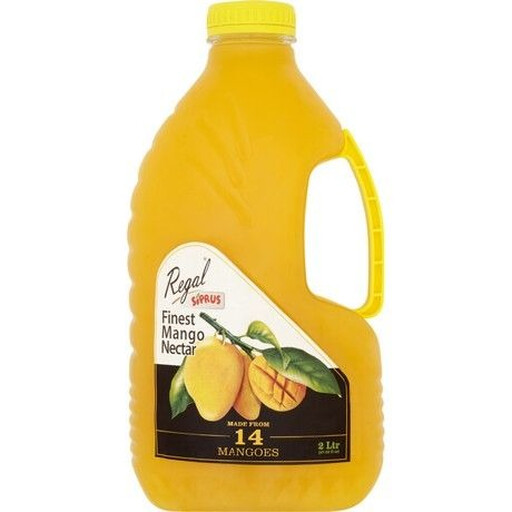 Image unavailable
Worth considering if your canteen accepts mango nectar rather than pure juice. Check the fruit content, ingredients list and after-opening instructions on the bottle intended for service.
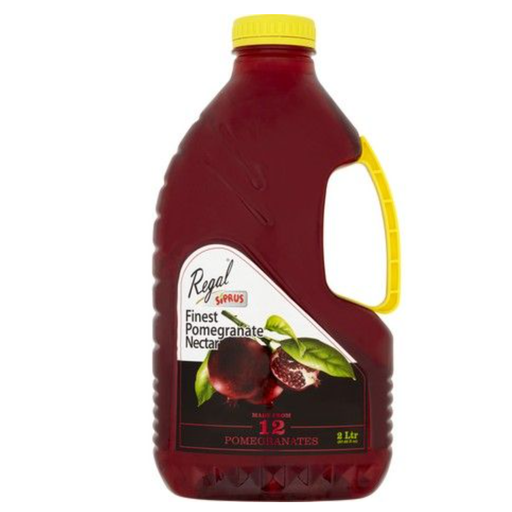 Image unavailable
Worth considering for a service that accepts pomegranate nectar. As ingredients can vary, check the ingredients and after-opening instructions on the product actually delivered.
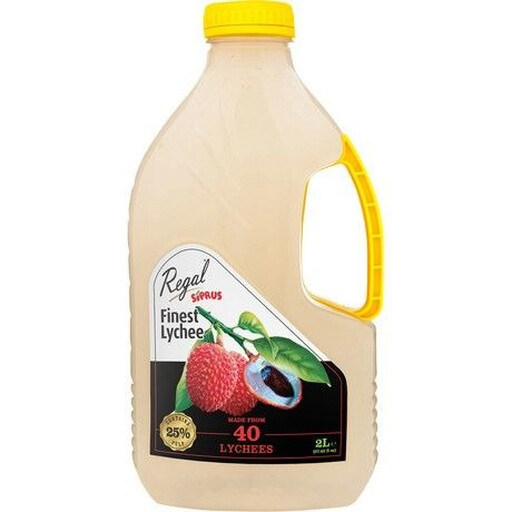 Image unavailable
Worth considering if your canteen accepts a lychee drink rather than juice or nectar. Check the sales description, juice content and after-opening instructions on the packaging.
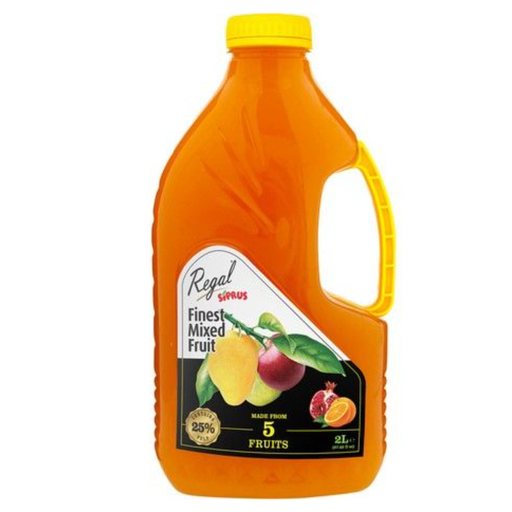 Image unavailable
Worth considering if a mixed-fruit drink is suitable for your service. As the ingredients may vary, check the sales description, ingredients and after-opening instructions on the product delivered before describing it as juice.
No: you still need to take account of the sugars that occur naturally in fruit. To find out how much a product contains, check the “of which sugars” line in its nutritional information; the DGCCRF states that the claim “contains naturally occurring sugars” is reserved for fruit juices.
First read the sales description, then check the ingredients on the bottle you have chosen. For examples of different ingredients, E.Leclerc describes a 2 L Jafaden mixed-fruit nectar containing water and sugar, while Auchan describes a 2 L tropical drink containing 85% water and 12% juice from concentrate.
No: follow the instructions for the product actually being served. Carrefour says to keep the Classic’ mixed-fruit juice described in the fridge for three days after opening, while Auchan gives five days for the Tropicana juice featured in its product information.
Keep the information for the product actually being served and update it whenever the product or recipe changes. In France, Service Public Entreprendre states that allergen information also applies to processed foods served in restaurants, so check the label or product specification used by the canteen.
Not necessarily: confirm the product, packaging and quantities with the supplier that stocks your canteen. Some E.Leclerc product pages, for example, advise contacting the local store to find out how to obtain the product.