
Livraison le jour même ou le lendemain

Qualité garantie

Débloquez vos offres de bienvenue: Livraison GRATUITE | Jusqu'à -80 % | 30 jours d'essai gratuits à JoyPlus
Téléchargez l'application
Between fruit juices, nectars, fruity drinks and individual portions, it’s not always easy to find your way around the shelves or online. One bottle might highlight an exotic flavour, another its fruit content, while a multipack will often play the price-per-unit card. To avoid disappointing or ill-suited purchases, it’s best to take a close look at the ingredients, the volume and the intended use before you order.
The name itself already gives you a good indication of what’s inside. A fruit juice is made from pressed fruit or concentrated juice. A fruit nectar generally contains fruit purée or juice, with water and, depending on the recipe, sugar added. A fruity drink, on the other hand, may contain a much smaller proportion of fruit.
So the flavour shown on the packaging isn’t enough to judge the product. A peach or grape drink might, for example, contain only 1% concentrated juice, as is the case with some WANT WANT individual portions. This is what’s known as a flavoured or fruity drink, not a juice made mostly from fruit.
A juice with no added sugar still contains the sugars naturally present in the fruit. Joker Multifruit, for instance, shows 11g of sugar per 100ml, even though its label states there are no added sugars. This is something to keep in mind when comparing products beyond the claims made on the packaging.
For family consumption, check the “of which sugars” line and take into account the actual serving size. A 200ml glass is not the same as the 100ml used as a reference in the nutritional table.
A multipack of juice can be handy for meals, parties or packed lunches, but its total volume is worth calculating. Six bottles of lychee drink at 2 litres each means 12 litres to store. Conversely, a pack of 10 cartons at 200ml each is easier to distribute, but each portion creates more individual packaging.
The list of ingredients is presented in descending order of quantity. Check for the presence of juice, fruit purées or concentrates, as well as sugar, glucose-fructose syrup, sweeteners, flavourings or thickeners.
Here are a few useful benchmarks:
These details help you tell the difference between a genuine multi-fruit juice and a fruity drink made mostly of water and sugar.
Compare the energy content and sugar level per 100ml, then scale them up to the actual volume you’ll be drinking. As a guide, the available product pages mention around 30kcal per 100ml for WANT WANT peach drink, 34kcal for Capri-Sun Multivitamin and 50kcal for Maaza mango nectar.
These figures are not medical advice. They are simply there to help you compare recipes more objectively, especially when several products have similar names.
For everyday use, a 1-litre bottle works well for family meals, provided you can keep it in the fridge after opening. Cartons of 125ml or 200ml are more practical for outings, breakfasts or snacks: no need to open a large bottle just to serve a single portion.
Also check the storage instructions:
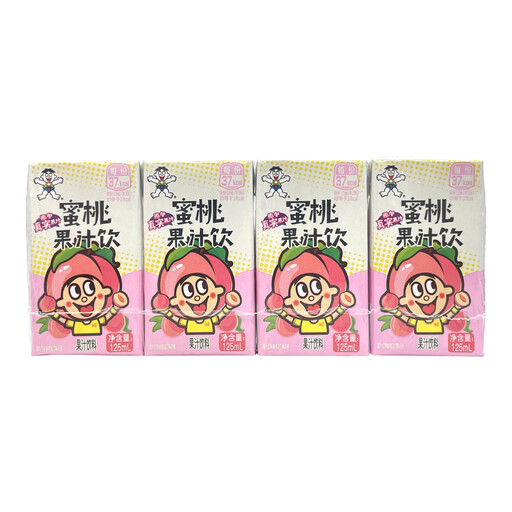
Why this choice suits this profile: With its four 125ml cartons, this pack lets you try the peach drink without being left with a large volume to get through. A practical size for breakfast, outings or individual portions.
The product page clearly states that the drink contains 1% concentrated peach juice. So there’s no risk of mistaking it for a fruit-rich nectar.
125ml × 4 format, ready to drink, with 30kcal and 7.2g of sugar per 100ml according to the product page.
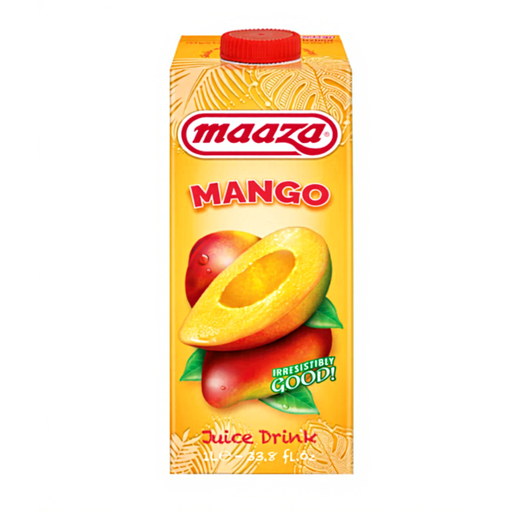
Why this choice suits this profile: This nectar focuses on a well-defined tropical flavour and a 1-litre format to share at breakfast or around the table.
The ingredients list shows 17% mango purée – a concrete figure that makes it easy to compare with other drinks.
1-litre bottle, with mango purée in the ingredients list, best served well chilled.
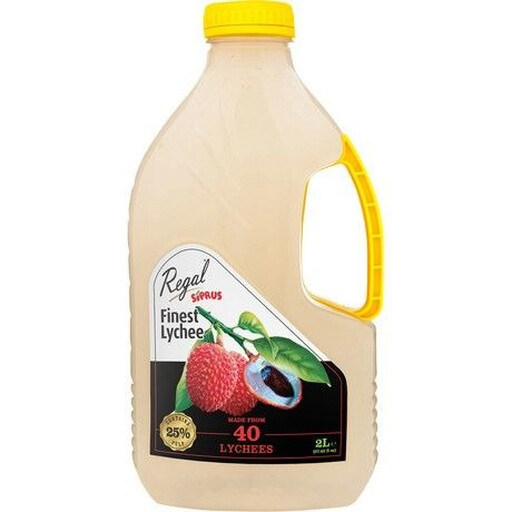
Why this choice suits this profile: The six-bottle, 2-litre packaging is designed for large families, parties, associations or events.
The total volume is clearly stated, so you can plan the storage space needed and avoid a multipack that’s too big for your needs.
Six 2-litre bottles, ready to serve, best enjoyed chilled or with a few ice cubes.
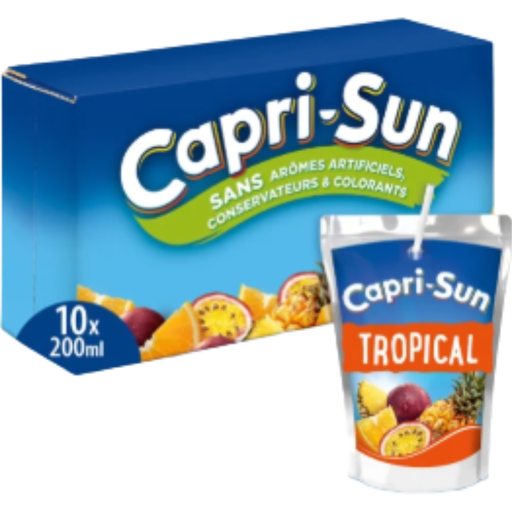
Why this choice suits this profile: The 200ml pouches slip easily into a bag or lunchbox. They also let you prepare several portions without having to store an opened bottle.
The product page clearly distinguishes the fruity drink from pure juice and states a juice content of 10%. This makes comparison with other products more transparent.
Pack of 10 × 200ml, with a blend of orange, passion fruit, pineapple and lemon, providing 33kcal per 100ml according to the product page.
We’ve put together a comprehensive, real-time selection of products that meet these selection criteria and the requirements of European safety regulations.
A 1-litre bottle works well when the drink is served at the table and consumed quickly after opening. For outings or snacks, cartons of 125ml to 200ml make serving easier. For a party, a multipack of several bottles can save you trips to the shop, provided you have enough space to store it.
It all depends on the recipe. A nectar may contain added sugar, whereas a juice with no added sugar contains the sugars naturally present in the fruit. To compare, look at the “of which sugars” line per 100ml and the full list of ingredients.
The shelf life depends on the product. Product pages often recommend refrigeration and consumption within a few days of opening. Small individual formats avoid this constraint, whereas a large bottle of tropical juice or nectar requires more care. The label on the product you receive remains the reference to follow.