You want to avoid added sugars
Whether you’re planning your first breakfast shop or stocking up the cupboard, you’re looking for a recipe with no added sugars, while keeping in mind that sugars naturally found in fruit still count.


For your first shop, choose a juice by checking its name and nutritional information rather than relying on the word ‘diet’: ‘no added sugars’ does not mean ‘sugar-free’. If you’re choosing between pure juice, nectar and reduced-sugar juice, compare the ‘of which sugars’ figure per 100 ml and check the ingredients. Manger Bouger, the Santé publique France website, recommends limiting all fruit juice to no more than one glass a day and choosing whole fruit instead.
Whether you’re planning your first breakfast shop or stocking up the cupboard, you’re looking for a recipe with no added sugars, while keeping in mind that sugars naturally found in fruit still count.
You’re choosing between pure juice, nectar and reduced-sugar juice. The ‘of which sugars’ figure per 100 ml helps you compare their labels on a like-for-like basis.
You’re looking for a size that suits the number of people in your household and occasional consumption, without forgetting the storage instructions once opened.
For your first shop, start by distinguishing the recipe from the sugar content shown on the label. Then choose a size your household can finish in line with the storage instructions on the packaging.
| What to check | Look for | Who is this for? |
|---|---|---|
| Added sugars | Look for the words ‘no added sugars’ and check the ingredients list, but don’t mistake this for a complete absence of sugars. | For breakfast, I want to avoid a recipe with added sugars without assuming it contains no sugars at all; around 36% of consumers would make this their top priority. |
| Sugars listed | Compare the ‘of which sugars’ figure per 100 ml in the nutritional information, then take the serving size into account. | If I’m choosing between several bottles, I want to compare their sugar content for the same volume; around 29% of consumers would make this their priority. |
| Size and servings | Check the container size and the storage instructions once opened. | For my household, I prefer to buy an amount that suits occasional consumption; around 21% of consumers would prioritise this. |
| Type of drink | Check whether it is labelled ‘pure juice’ or ‘nectar’, the fruit content and whether it contains water or ingredients made from concentrate. | If the ingredients matter most to me, I want to know whether I’m buying pure juice or nectar; around 14% of consumers would prioritise this distinction. |
France’s Directorate-General for Competition Policy, Consumer Affairs and Fraud Control reminds shoppers that nutritional information for drinks is given per 100 ml, making it easier to compare containers of different sizes. This figure doesn’t replace checking the size of the serving you plan to pour.
Sugars naturally present in the drink remain. So the claim on the front of the pack isn’t enough to compare the sugar content of two products.
Check the ‘of which sugars’ figure per 100 ml as well as the ingredients list.
Nectar can contain juice, purées, water and ingredients made from concentrate. The Jafaden mixed-fruit nectar sold by E.Leclerc states that it contains at least 81% fruit: its name and ingredients are different from those of a pure juice.
Check the product name, fruit content and ingredients of the specific product you’re considering.
Storage instructions once opened vary by product. If a bottle stays open longer than the stated period, you may not finish it in time.
Choose a size that suits your household and follow the storage instructions on the packaging.
France’s National Agency for the Safety of Medicines and Health Products warns that grapefruit juice can interact strongly with certain medicines.
If you’re taking medication, ask your pharmacist or doctor whether this drink is suitable for you.
Joker’s Le Fruit range includes several juices described as 100% fruit, including mixed-fruit, orange with pulp, grapefruit and pineapple varieties.
The range includes a ‘3 citrus fruits’ juice with no added sugars.
Products sold by E.Leclerc include pure orange juice, mixed-fruit nectar with no added sugars and reduced-sugar mixed-fruit juice.
These Joybuy products include nectars and mixed-fruit juices whose names state that they contain no added sugars. To choose between them, first distinguish nectar from juice, then check the sugars per 100 ml, the ingredients and the storage instructions on the packaging.
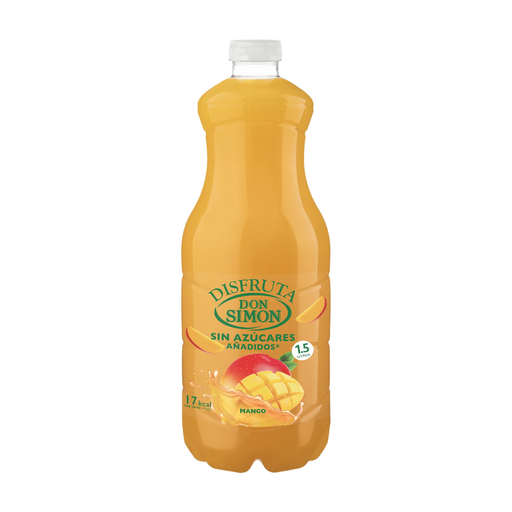 Image unavailable
Worth considering if you’re looking for mango nectar rather than pure juice. The product name indicates a 1.5 l PET bottle; check the sugars per 100 ml, ingredients and storage instructions once opened on the packaging.
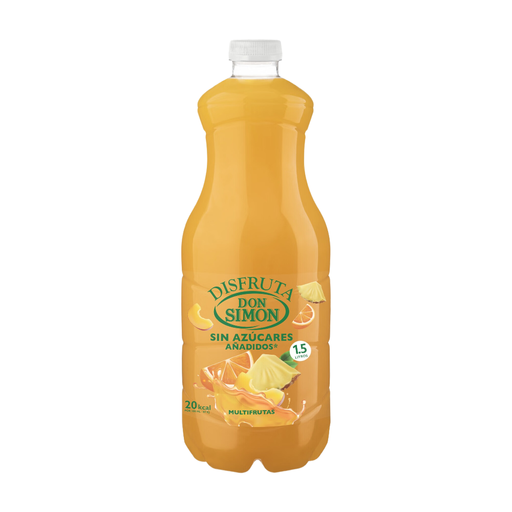 Image unavailable
Compare this if you’d prefer a mixed-fruit nectar for your household. The PET bottle holds 1.5 l; check the ingredients, the ‘of which sugars’ figure per 100 ml and the storage instructions once opened.
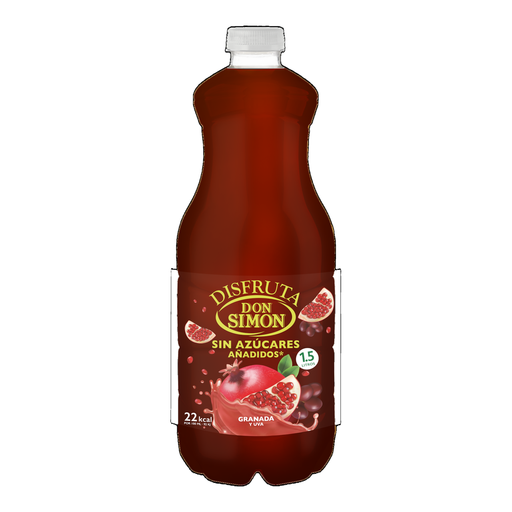 Image unavailable
Worth a look if you’re after pomegranate nectar. The PET bottle holds 1.5 l; check the ingredients list to see which fruits are blended, and the nutritional information to compare sugar content.
 Image unavailable
Worth checking if you’d prefer mixed-fruit juice rather than nectar. The bottle holds 1.5 l; the ‘no added sugars’ claim alone doesn’t tell you the total sugar content.
 Image unavailable
The 1 l size may be easier to plan for if you’re buying juice for occasional consumption. Before choosing this mixed-fruit recipe, compare its sugars per 100 ml and check the storage instructions.
No. Sugars naturally found in fruit may still be present in the drink. To find out how much sugar is in the product you’ve chosen, check the ‘of which sugars’ figure per 100 ml.
First compare their nutritional information per 100 ml, particularly the ‘of which sugars’ figure. This gives you a common basis for comparing products before taking into account the amount you’ll actually serve.
No, they are two different product descriptions. For example, the Jafaden mixed-fruit nectar sold by E.Leclerc contains juice and fruit purées, water and ingredients made from concentrate. Check the product name and ingredients of the one you’re considering.
Choose a size that suits your household’s occasional consumption. Manger Bouger, the Santé publique France website, recommends limiting all fruit juice to no more than one glass a day and choosing whole fruit instead.
Follow the storage time and temperature shown on your bottle: these vary by product. For example, the Andros clementine juice sold by Auchan should be refrigerated and consumed within five days of opening; this guidance doesn’t apply to all juices.