People keeping an eye on sugar
You’re looking for a fruit drink for an occasional snack and want to distinguish ‘no added sugar’ from ‘sugar-free’. Compare the ‘of which sugars’ figures per 100 ml and for the amount you plan to drink.


For a snack to pop in your gym bag, start by choosing a portion that’s easy to carry and reseal. Then check the drink description and its sugar content per 100 ml and per portion: ‘no added sugar’ doesn’t mean ‘sugar-free’. For drinking during exercise, Manger Bouger recommends choosing water.
You’re looking for a fruit drink for an occasional snack and want to distinguish ‘no added sugar’ from ‘sugar-free’. Compare the ‘of which sugars’ figures per 100 ml and for the amount you plan to drink.
You’re taking just one snack and want an individual container that takes up less room than a family-sized bottle. The volume and whether the container can be resealed are especially important.
You want to know whether you’re buying a juice, a nectar or a fruit drink. The product description and ingredients list help you tell them apart before comparing their nutritional information.
For a snack to carry in your gym bag, first choose a volume you’ll actually take with you. Then compare the drink category and the sugar information on the packaging.
| What to check | Look for | Who it matters to |
|---|---|---|
| Sugars | The ‘of which sugars’ figure per 100 ml, then the amount for the portion you’re taking with you. Don’t rely on the ‘no added sugar’ claim alone. | If I choose this drink while keeping an eye on sugar, I want to know how much I’ll actually drink, not just read the front of the pack. Around 42% of consumers rank this as their top concern. |
| Portability | The volume of each container, whether it can be resealed and the storage instructions after opening. | If I’m taking just one snack in my bag, I’d rather not carry a large, opened bottle. Ease of transport would be the main consideration for around 33% of consumers. |
| Ingredients | The product description — juice, nectar or fruit drink — followed by the ingredients and the fruit content, if stated. | Before choosing, I want to know what comes from fruit, what comes from water and what comes from other ingredients. Around 25% of consumers prioritise the type and composition of the drink above all else. |
Juice can contain sugars that occur naturally in fruit. So a claim on the front of the pack is no substitute for the nutrition table.
Compare the grams of sugar per 100 ml and work out how much that means for the volume you plan to drink.
A 1 L or 1.5 L bottle takes up more room than an individual portion. Once opened, you’ll also need to follow its storage instructions.
If you’re only planning to drink a small portion, check the volume of each container and choose one that can be resealed and fits your bag.
Fruit imagery doesn’t tell you the product category or what’s in it. For example, the Fruit Shoot Tropical drink sold by Auchan contains 46% fruit juice from concentrate, so it isn’t pure juice.
Check the product description, ingredients list and stated fruit content.
Manger Bouger recommends choosing water as your drink. Choosing juice as a snack doesn’t change that.
Take water to drink during exercise, and treat the fruit drink for your snack as a separate choice.
A no-added-sugar mixed-fruit option to consider if you’re comparing larger juice formats.
A range where you can compare product categories and sizes before choosing a drink for an individual portion.
E.Leclerc products that let you compare a 20 cl format with mixed-fruit juices in other sizes.
A fruit drink in small bottles to consider when portability is your priority.
These options include fruit drinks and a nectar in different sizes, rather than a selection of pure juices for sport. Compare the product category, volume and nutritional information before choosing a snack to take with you.
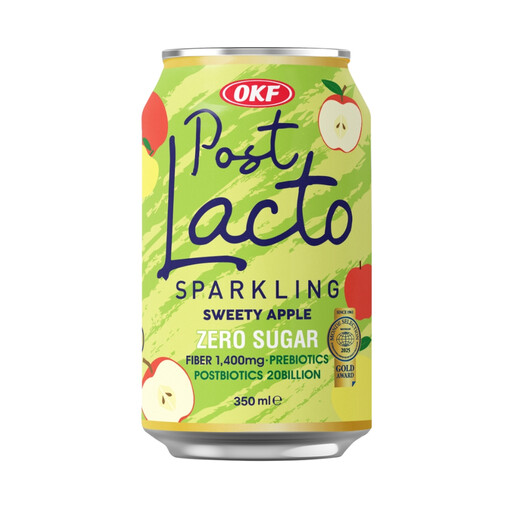 Image unavailable
The 350 ml size could suit you if you want to take a single container of a fruit drink with you. It’s a sparkling drink, not fruit juice, so check that it can be resealed and read the nutritional information on the label before putting it in your bag.
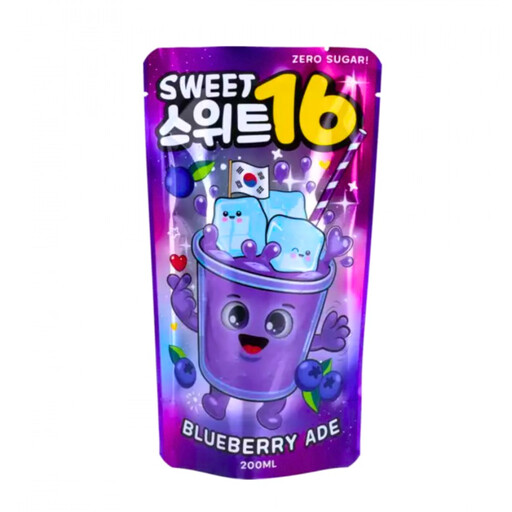 Image unavailable
The 200 ml size may appeal if you’re looking for a small drink to take with you, but this lemonade isn’t fruit juice. Check whether the container can be resealed, the preparation instructions and the unit used for the nutritional values. The label warns that the E129 colouring may have an adverse effect on children’s activity and attention.
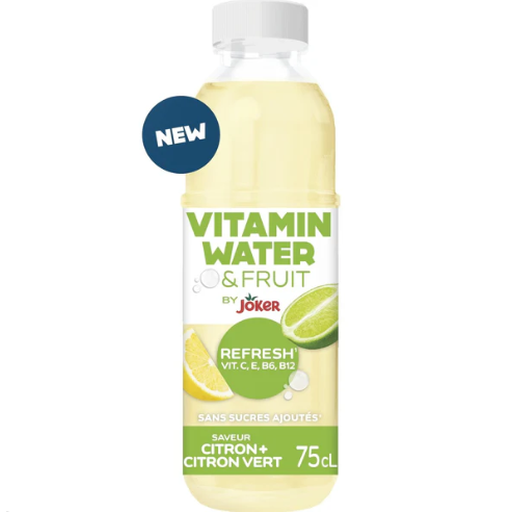 Image unavailable
This 75 cl fruit drink is better suited to people happy to carry more than a small individual portion; it isn’t pure juice. Check the ‘of which sugars’ figure for the amount you’ll drink, as well as whether the container can be resealed.
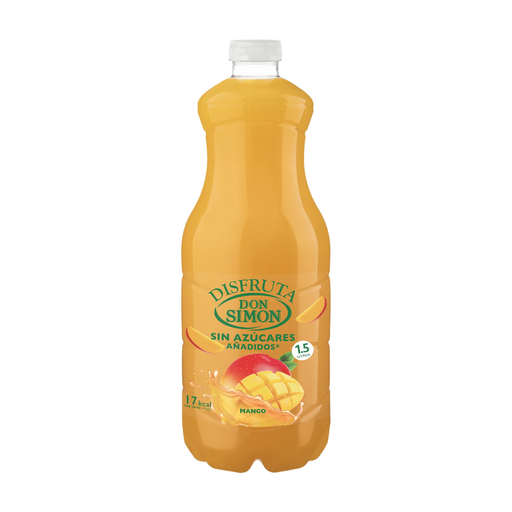 Image unavailable
This 1.5 L nectar is better suited to sharing or serving in separate portions than to carrying as a single snack in a compact bag. Don’t mistake it for juice: check the product description, ingredients and storage instructions after opening.
No. Juice can contain sugars that occur naturally in fruit. The DGCCRF explains that the claim ‘contains naturally occurring sugars’ is reserved for fruit juices. To find out how much sugar you’ll consume, check the ‘of which sugars’ figure and the volume of your portion.
Choose water to drink during exercise, in line with the recommendation from Manger Bouger. A fruit drink chosen as a snack serves a different purpose; the ‘no added sugar’ claim doesn’t change what to choose as your main drink.
A resealable individual container means you don’t have to take a large, already-opened bottle. Check its volume, that the cap is secure and the product’s storage instructions.
Start with the product description on the packaging, then check the ingredients and the fruit content, if stated. These categories don’t necessarily have the same composition: for example, a fruit drink may contain water as well as fruit ingredients.
Follow the storage instructions and use-by period given for the product you’ve bought. For Joker Le Fruit in a 1.5 L bottle, Auchan advises keeping it in the fridge and drinking it within five days of opening. This doesn’t automatically apply to other drinks.