Cyclists keeping an eye on sugar
You want to keep a fruit drink in your routine while comparing the sugar in the amount you actually drink, rather than relying on the ‘no added sugars’ claim.


When choosing a fruit drink for cycling, first decide whether you simply want a fruit-based drink or plan to include its carbohydrates as part of your fuelling. ‘No added sugars’ does not mean ‘sugar-free’: compare the figures per 100 ml and per serving, as well as the ingredients. During a ride, juice alone is no substitute for a strategy that takes account of your effort, other drinks and your digestive tolerance.
You want to keep a fruit drink in your routine while comparing the sugar in the amount you actually drink, rather than relying on the ‘no added sugars’ claim.
You want to understand how the carbohydrates in juice fit into your intake around a ride, without confusing it with all your fluid and fuelling needs.
You’re deciding between juice, juice from concentrate, nectar and a reduced-sugar recipe. The product description, ingredients and serving size help you compare the products you’re actually considering.
First decide what role the drink will play during your ride or with your meals, then compare the carbohydrates, sugars and serving size. Research published in the International Journal of Sport Nutrition and Exercise Metabolism as part of the UCI’s sports nutrition project highlights how road-cycling fuelling depends on the context and the cyclist.
| Criteria | What to check | Who it’s for |
|---|---|---|
| Carbohydrate intake | Carbohydrates per 100 ml and in the amount you plan to drink; how the juice fits alongside other drinks and food during your ride. | For a long or intense ride, I want to know how many carbohydrates my serving provides without relying on juice for all my fuelling. Around 33% of consumers would put this at the top of their list. |
| Sugars per serving | The ‘of which sugars’ figure per 100 ml, then the amount you’ll actually drink; don’t equate ‘no added sugars’ with ‘sugar-free’. | If I also drink juice when I’m not riding, I want to keep track of the sugar in my glass rather than relying on the front of the pack. Around 27% of consumers would prioritise keeping track of sugar. |
| Recipe and tolerance | The fruit, purées and other ingredients; how well the recipe suits you at the time you plan to drink it. | Before or around a ride, I prefer a recipe I know I can drink without discomfort. Taste and tolerance would come first for around 20% of consumers. |
| Pack size and storage | The container size and storage instructions after opening, based on how much you usually drink. | I want to finish the bottle within the stated time, without choosing a pack that’s too large for my needs. Around 20% of consumers would put convenience first. |
Product categories alone don’t tell you how much sugar a drink contains. Among the products featured by Auchan, Tropicana apple juice and Joker mixed-fruit juice each contain 10 g of sugar per 100 ml; the Jafaden reduced-sugar mixed-fruit juice featured by E.Leclerc contains 7.4 g per 100 ml. These figures apply to these specific recipes, so also compare the amount you plan to drink.
Sugars naturally present in the fruit are still included in the nutrition information. The Tropicana apple and Joker mixed-fruit products featured by Auchan each contain 10 g of sugar per 100 ml.
Check the ‘of which sugars’ figure, then work out how much that means for the amount in your glass or bottle.
A fruit drink can contribute to your carbohydrate intake, but its label won’t tell you how much fluid you need or how to spread your intake during a ride. The UCI’s sports nutrition project emphasises the importance of strategies suited to the context.
Decide whether you plan to drink the juice before, during or after your ride, and take your other intake and tolerance into account. Try a new recipe in training rather than on a ride that matters to you.
Pure juice, juice from concentrate and nectar don’t have the same composition. The name highlighted on the pack isn’t enough to tell you what’s in the recipe.
Check the product description, ingredients and nutrition information for the product you choose.
The recommended time to consume a product after opening may determine whether the pack size suits you. For its Tropicana apple juice, Auchan advises keeping it chilled after opening and consuming it within five days.
Compare the bottle size with how much you usually drink, and follow the storage instructions for that product.
A container that’s too large for the recommended storage period could mean you end up throwing away the leftover juice.
A single brand may offer products in different categories with different ingredients. The examples below show what to compare for each product, rather than passing judgement on every drink in a range.
Its fruit juice range includes an apple juice labelled ‘no added sugars’.
The range includes mixed-fruit recipes, including a Le Fruit product labelled ‘no added sugars’.
Carrefour offers several mixed-fruit and citrus recipes under this name, including products labelled ‘no added sugars’.
The range featured by E.Leclerc includes various fruit drinks, including a reduced-sugar mixed-fruit juice.
These products let you compare nectars and mixed-fruit juices labelled ‘no added sugars’. Their category and pack size alone won’t tell you whether they’re suitable during a ride: check the nutrition information and product description on each pack.
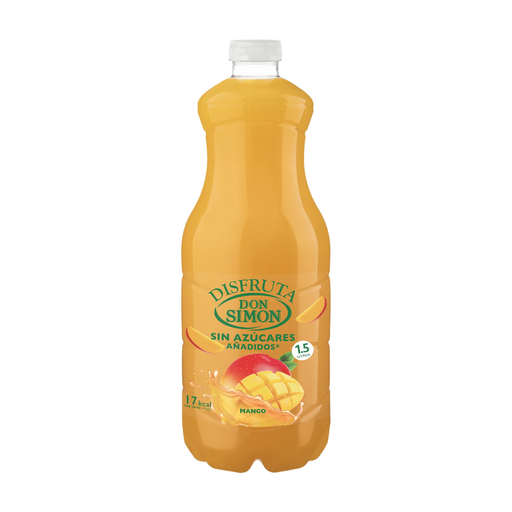 Image unavailable
Worth considering if you want to compare a mango drink with fruit juice. The word ‘nectar’ and the ‘no added sugars’ claim don’t replace checking the ingredients and sugar per serving.
1.5 L PET bottle; check the storage instructions for this pack size.
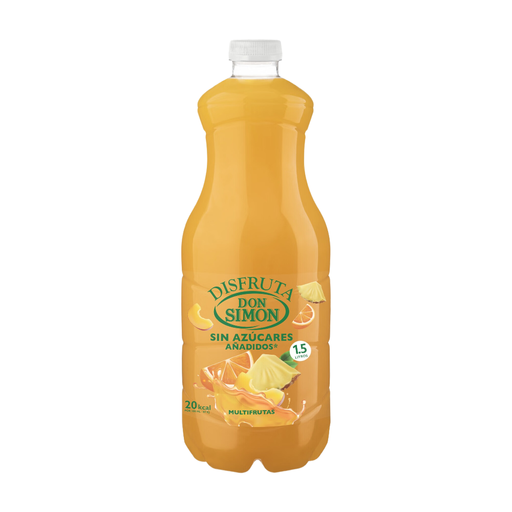 Image unavailable
Worth considering if you’re looking for a fruit blend in nectar form. Compare its ingredients and sugar per serving with the juices you’re considering, without treating their product descriptions as interchangeable.
1.5 L PET bottle; bear the storage instructions after opening in mind.
 Image unavailable
Worth comparing if you’d prefer a mixed-fruit juice to a nectar. If you’re planning a serving around a ride, check the carbohydrates and sugars listed on the pack, as well as the exact product description.
1.5 L pack; choose it with your usual consumption after opening in mind.
 Image unavailable
Worth considering if you’d prefer a 1 L pack of mixed-fruit juice. To distinguish it from a reduced-sugar recipe, check the nutrition information for this product rather than relying on the ‘no added sugars’ claim alone.
Check the product description and ingredients on the pack.
No. Sugars naturally present in fruit can remain in the juice. The Tropicana apple and Joker mixed-fruit products featured by Auchan each contain 10 g of sugar per 100 ml. Check the ‘of which sugars’ figure and calculate how much sugar is in your serving.
Juice can contribute to your carbohydrate intake during a ride if the serving size and ingredients suit your plan. The UCI’s sports nutrition project highlights how strategies depend on the context. Plan your other intake and fluid needs separately, and try the drink during training.
Compare the sugar per 100 ml, then for the amount you plan to drink, and check the product category too. The reduced-sugar Jafaden mixed-fruit juice featured by E.Leclerc contains 7.4 g of sugar per 100 ml, compared with 10 g per 100 ml for the Tropicana apple and Joker mixed-fruit products featured by Auchan. This comparison applies only to these specific products.
Check that you’ll be able to follow the storage instructions after opening. For the Tropicana apple juice featured by Auchan, the instructions say to keep it chilled at no more than 7 °C and consume it within five days. Instructions may vary for other bottles.