Parents looking to limit sugary drinks
You want to save juice for occasional treats and keep an eye on how much is served at snack time. Manger Bouger recommends water as the usual drink and advises limiting fruit juice.


For a child’s regular snack, choose water and a piece of whole fruit rather than juice, fruit nectar or a light drink: Manger Bouger recommends limiting juice, even when it has no added sugar. If you buy a fruity drink for an occasional treat, compare its product description, ingredients, sugars per 100 ml and the amount actually served. Don’t rely on the word ‘diet’ alone.
You want to save juice for occasional treats and keep an eye on how much is served at snack time. Manger Bouger recommends water as the usual drink and advises limiting fruit juice.
You want to understand what ‘juice’ and ‘nectar’ mean, then compare the ingredients, fruit content and sugars per 100 ml before choosing a specific product.
You’re wondering whether a reduced-sugar claim changes whether this drink is suitable for snack time. Manger Bouger also recommends limiting light drinks for children.
First decide whether a fruity drink belongs at snack time, then compare the labels and the amount you plan to serve. Nectar, juice and light drinks shouldn’t be judged by the claim on the front of the pack alone.
| What matters | What to check | Who this is for |
|---|---|---|
| Amount and frequency | Decide how much will actually be served rather than letting your child pour freely from the bottle. Manger Bouger says not to exceed half a glass a day for children under 11, or one glass a day from the age of 11. | I’d like to offer juice occasionally without making it my child’s usual drink. Around 42% of consumers put amount and frequency first when making this choice. |
| Juice, nectar and sugars | Check the product description, ingredients, fruit content of the nectar and the ‘of which sugars’ line per 100 ml. | When choosing between several fruity drinks, I want to know what each one contains rather than decide based on ‘no added sugar’. This is the priority for around 33% of consumers. |
| ‘Diet’ or light claims | Check the type of drink and its ingredients; don’t take a light claim as advice to give it to children every day. | If a drink is labelled ‘diet’, I want to understand what that means before offering it at snack time. Around 25% of consumers say this claim is the first thing they look at. |
Juice still contains sugars that occur naturally in fruit. Auchan’s product details for Joker’s pure multi-fruit juice show 11 g of sugars per 100 ml, despite it having no added sugar.
Compare the product description, ingredients and ‘of which sugars’ per 100 ml, not just the claim on the front of the pack.
Manger Bouger also recommends limiting light drinks for children. The claim doesn’t make the drink a suitable everyday choice for snack time.
For an everyday snack, offer water as the drink and save other options for occasions that fit within the recommended amounts.
The product description and fruit content matter just as much as the sugar figure. Auchan’s product details for an Auchan Bio apple nectar state that it contains at least 75% fruit; that applies to this particular product, not all nectars.
Compare specific products by checking their labels, and consider how much you’ll serve too.
Manger Bouger states that weight-loss diets should be avoided for children. A claim on a drink doesn’t address concerns about weight.
If this is the reason you’re buying a drink, speak to a healthcare professional rather than choosing juice or a light drink for this purpose.
Auchan’s product details for Joker’s pure multi-fruit juice describe it as having no added sugar.
Carrefour’s Classic’ multi-fruit nectar is described as having no added sugar and containing at least 75% fruit.
Auchan’s product details for a no-added-sugar organic apple nectar state that it comes in a 20 cl carton and contains at least 75% fruit.
E.Leclerc’s product ranges include juices and nectars, as well as 20 cl cartons under various own-label brands.
These products let you explore no-added-sugar nectars and bottled juices for an occasional snack. The 900 ml to 1.5 L pack sizes mean you’ll need to serve a measured amount. Check the product description and nutritional information on the packaging before choosing.
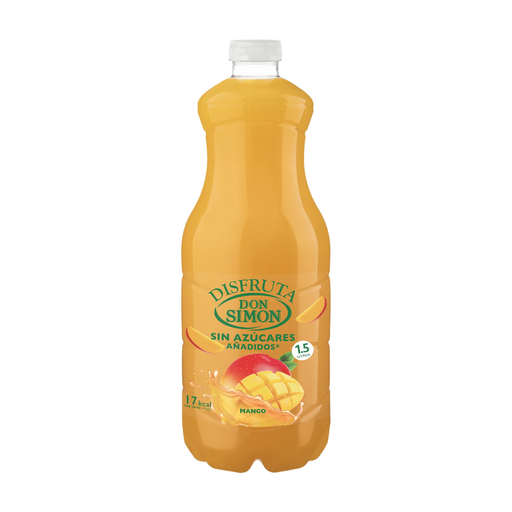 Image unavailable
If you’re comparing mango nectars for an occasional snack, check the sugars per 100 ml and the ingredients on the packaging.
1.5 L PET bottle: measure the amount you serve. Also check the claims on the bottle you choose.
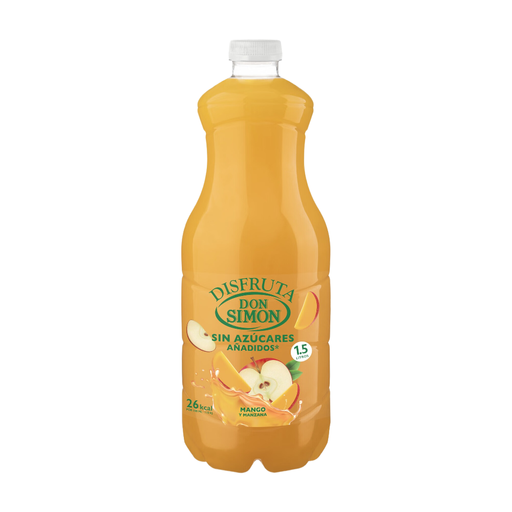 Image unavailable
To compare this mango and apple recipe with another nectar, check the ingredients and sugars per 100 ml for each, using the same serving size.
1.5 L PET bottle: plan to serve a measured amount and check the claims on the packaging.
 Image unavailable
For an occasional snack, compare this multi-fruit nectar with the other drinks you’re considering by checking their product descriptions and sugars per 100 ml.
1.5 L PET bottle: measure the amount you serve and read the ingredients list on the packaging.
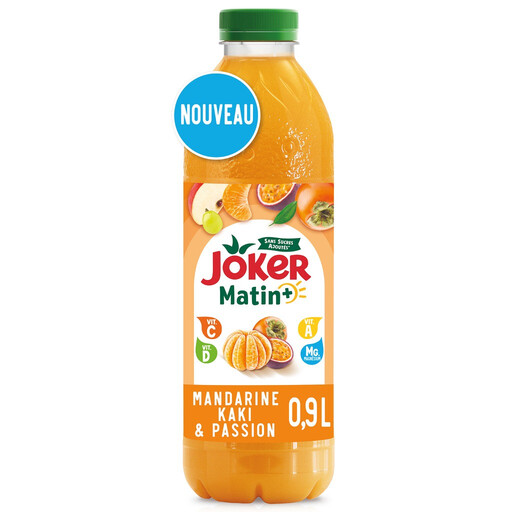 Image unavailable
If you’re considering juice rather than nectar, compare the product description and sugars per 100 ml for each specific product.
900 ml bottle: serve a measured amount and check the information on the packaging.
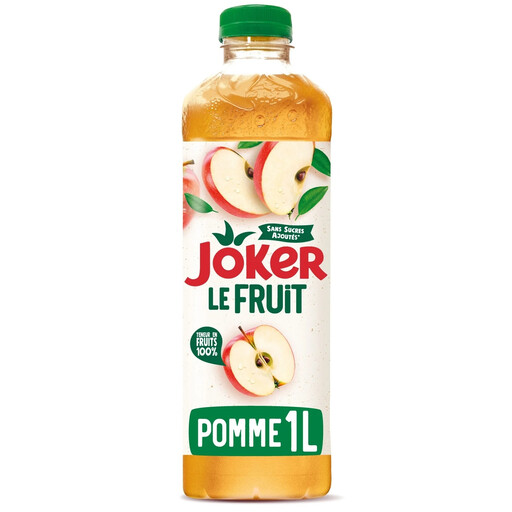 Image unavailable
If the ‘no added sugar’ claim catches your eye, check the ‘of which sugars’ line per 100 ml too: it tells you something different.
1 L bottle: plan to serve a measured portion and check the exact product description on the packaging.
No. Juice can contain sugars that occur naturally in fruit, even when no sugar has been added. To find out what’s in a specific product, check its ‘of which sugars’ line per 100 ml.
Manger Bouger says not to exceed half a glass a day for children under 11, or one glass a day from the age of 11. This recommendation applies to the whole day, so if your child has already had juice, take that into account before offering more at snack time.
Not as a child’s everyday drink: Manger Bouger also recommends limiting light drinks and recommends water instead. Check the ingredients of a specific product without taking ‘light’ to mean it’s suitable for regular consumption.
No. A drink with this claim isn’t a weight-management strategy. Manger Bouger states that weight-loss diets should be avoided for children. If weight is the reason you’re asking, seek advice from a healthcare professional.