Campers looking to limit added sugars
You want to avoid added sugars without mistaking this claim for an absence of sugars altogether. The amount shown per 100 ml and the serving size also matter when making your choice.


To limit added sugars when camping, first distinguish fruit juice from fruit nectar, then check the ingredients and the ‘sugars’ line in the nutrition information: ‘no added sugars’ does not mean ‘sugar-free’. Next, choose a size that suits the portions you have planned and a product whose storage instructions you can follow during your journey and stay.
You want to avoid added sugars without mistaking this claim for an absence of sugars altogether. The amount shown per 100 ml and the serving size also matter when making your choice.
You need to be able to follow the storage instructions for your chosen bottle or carton, both in transit and at your destination. The DGCCRF advises following the temperature stated on the packaging of chilled products.
The pack size should suit the number of portions you have planned. When choosing between juice and nectar, also check the ingredients and, for nectar, the stated fruit content.
Start with the product category and the sugars listed per 100 ml, then check that the storage requirements and pack size suit your stay.
| Criteria | What to check | Who it matters to |
|---|---|---|
| Sugars and category | Check whether the product is labelled as juice or nectar, then read the ingredients and the sugars per 100 ml. | If I’m limiting added sugars, I want to know what’s actually in my glass, beyond the claim on the front of the pack. Around 45% of consumers would put this first. |
| Storage | Read the storage instructions on the packaging and check that you can maintain the required temperature. | Without reliable refrigeration at the campsite, I need a drink I can store as directed. This would be the priority for around 33% of consumers. |
| Sharing | Compare the pack size with the portions you have planned; for nectar, check the fruit content. | If I’m serving several people, I want a convenient size rather than choosing a mixed-fruit drink based on its name alone. Around 22% of consumers would prioritise this first. |
This claim does not remove the sugars naturally present in fruit. For example, Auchan’s published Joker product listings show 10 g or 11 g of sugars per 100 ml, depending on the product.
Compare the ‘sugars’ line in the nutrition information with the amount you plan to serve.
The DGCCRF treats these as separate categories. Nectar can contain fruit juice or purée and water; the JAFADEN listing published by E.Leclerc states that its mixed-fruit product contains at least 81% fruit.
Check the product name and ingredients list for the specific product before comparing its composition with that of a juice.
The listing for a Tropicana orange juice published by Carrefour says ‘keep refrigerated’. This instruction affects your choice if you cannot follow it during the journey or at your pitch.
Check the packaging before you set off, and only take a chilled product if you can maintain the required temperature during your stay.
Carrefour Classic’s nectar listing shows the claim ‘no added sugars’ alongside a value for added sugars in the information provided. These conflicting details make it impossible to draw a conclusion about this product.
Before buying, check the product packaging or ask the manufacturer or retailer to clarify.
Auchan lists two 1 L mixed-fruit products that let you compare a ‘Le Fruit’ juice with a ‘Pur Jus Engagé’.
Carrefour lists a 1 L Bio mixed-fruit product described as pure juice with no added sugars, as well as a Classic’ mixed-fruit nectar.
Carrefour lists a 1.5 L orange juice with no pulp.
E.Leclerc lists a 1 L mixed-fruit nectar with no added sugars.
This selection includes mixed-fruit juices and nectars described as having no added sugars. For camping, compare each product’s category and pack size with the storage instructions on its packaging.
 Image unavailable
Worth considering if you’re looking for a mixed-fruit juice to share rather than a nectar. Check the sugars per serving and the storage instructions before planning how to transport it.
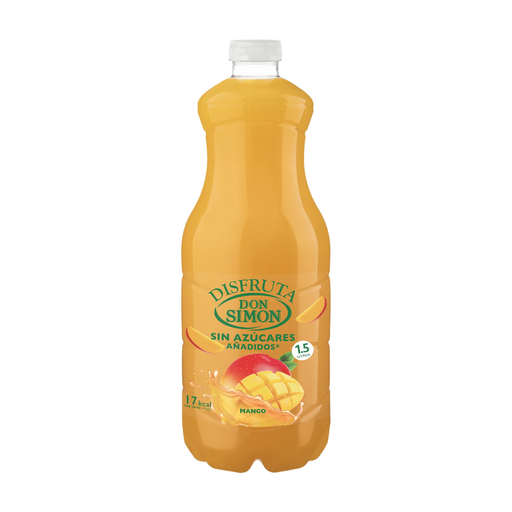 Image unavailable
Compare it with other nectars if you’re after a larger pack with a mango flavour. Check the label for this variant’s ingredients, sugar content and storage instructions after opening.
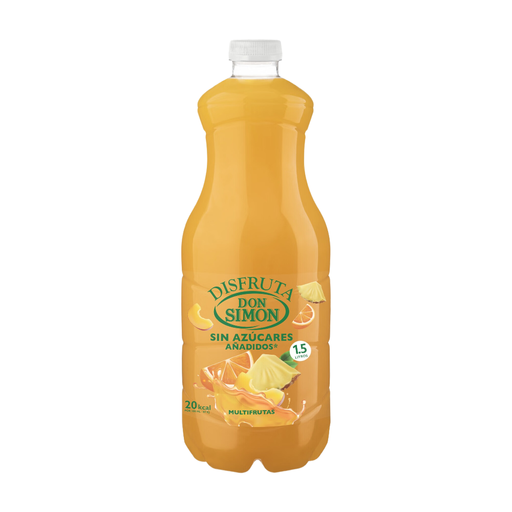 Image unavailable
This size could work for several servings. As it’s a nectar, check its fruit content and ingredients rather than treating it as pure juice.
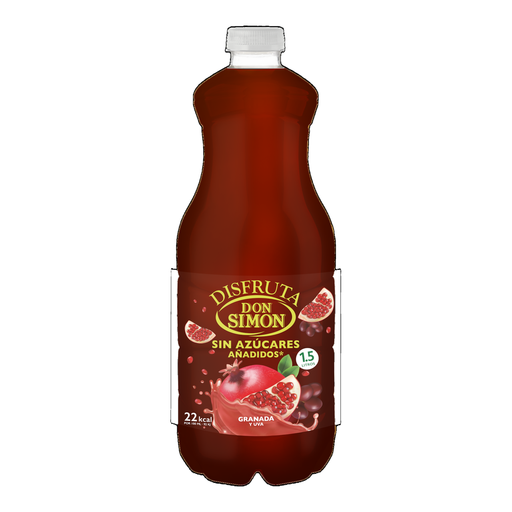 Image unavailable
Consider this if you prefer pomegranate to mixed fruit or mango. With a 1.5 L pack, it’s worth planning your portions and checking how to store the opened bottle during your stay.
 Image unavailable
The 1 L size could suit you if you’re planning fewer servings than you would with a 1.5 L bottle. Before taking it with you, check the packaging for storage instructions before and after opening.
No. Sugars naturally present in fruit are still listed in the nutrition information. To choose your juice, check the ‘sugars’ line per 100 ml, then take the serving size into account.
No, they are separate categories, as the DGCCRF explains. For nectar, check the fruit content, ingredients list and sugar content stated for the product you’re considering.
Yes, if you can maintain the stated storage temperature during the journey and at your destination. The DGCCRF advises checking the instructions on the packaging and not leaving chilled products out of the fridge for long.
No, fruit juice is not a substitute for water as your usual drink. The Anses recommends limiting sugary drinks to one glass a day; ‘no added sugars’ does not remove the sugars naturally present in juice.