
Livraison le jour même ou le lendemain

Qualité garantie

Débloquez vos offres de bienvenue: Livraison GRATUITE | Jusqu'à -80 % | 30 jours d'essai gratuits à JoyPlus
Téléchargez l'application
The fruit juice and product aisle can feel like a maze. Between promising labels and a jungle of classifications, it's easy to walk away disappointed by both the taste and the ingredients. As a product expert at Joybuy, my mission is to bring you clarity. Let's break down the common pitfalls and the essential criteria for choosing products that truly deliver on their promises.
Navigating the overwhelming selection of fruit juices and fruit specialities requires a discerning eye. Here are the most common mistakes that can leave you disappointed.
To ensure you never make a mistake again, focus on a few foolproof clues that reveal a product's true quality.
Your first step should be to check the product's legal name. It says a lot about what's really inside the bottle.
For nectars, fruit preparations, or jams, the fruit percentage is the main quality indicator. A high content (over 50%) often means a more flavourful and authentic product. The ingredient list, ordered by weight, is your best friend: if sugar or water appears first, be wary—the fruit is no longer the star ingredient. Favour short, clear ingredient lists; it's often a hallmark of quality worthy of a fine food grocer.
For more exotic products like canned jackfruit or other exotic fruit drinks, a quick look at the description is essential. Is it preserved in syrup (for a dessert) or in brine (for a savoury dish)? This distinction is crucial to avoid ruining your meal.
To illustrate these tips, here are a few products that meet different needs and profiles.
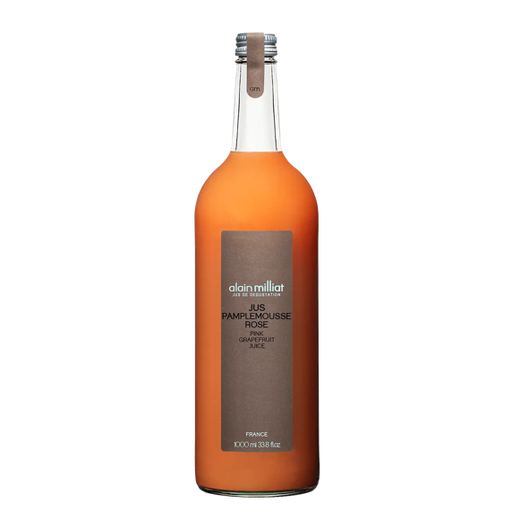
The Profile: Ideal for the connoisseur of exceptional fruit juices seeking a pure, uncompromising taste experience for breakfast or brunch. The Alain Milliat name is itself a guarantee of quality and an uncompromising selection of fruits.
This is a 100% pure juice, with no added water, sugar, or preservatives. The ingredient list is refreshingly simple: "100% pink grapefruit juice". It avoids the trap of diluted, overly sweet nectars.
An intense and perfectly balanced taste, with the signature noble bitterness of real fresh grapefruit. The texture is smooth and natural, with no artificial additives.
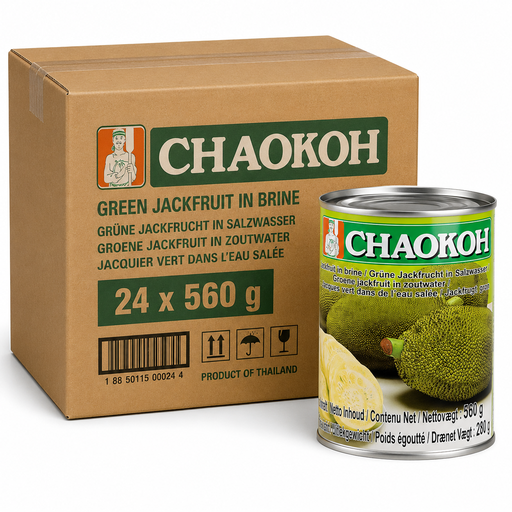
The Profile: Perfect for fans of vegetarian or vegan cuisine looking for a stunning alternative to pulled meat. Ideal for filling tacos, enriching curries, or making "pulled pork" style sandwiches.
The product clears up any ambiguity: this is indeed green jackfruit in brine, specifically designed for savoury cooking. There's no risk of mistakenly buying ripe jackfruit in syrup, which would ruin the recipe.
Its fibrous texture perfectly mimics that of meat. Its neutral taste is a true flavour sponge, absorbing marinades and spices. Ready to cook.
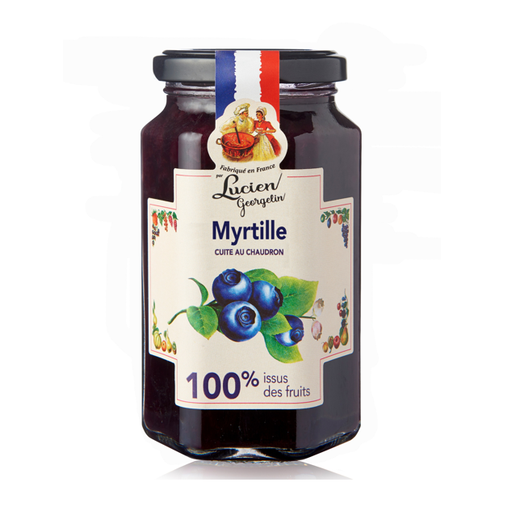
The Profile: For those who want the pleasure of a good jam but with a healthier nutritional profile and no refined sugar. A delight on morning toast, in plain yoghurt, or as a topping for crêpes.
This fruit preparation is sweetened exclusively with fruit-derived sugars. It sidesteps the "no added sugar" trap that can hide high sugar content, while clearly stating its composition (28g of sugar per 100g).
An impressive fruit content (60% blueberries!). The ingredient list is short and clear: fruit, fruit-derived sugars, pectin, and a dash of lemon juice. That's it.
Discover our full selection of products that meet our quality standards and regulations.
The main difference lies in the fruit content and added ingredients.
It all depends on the can! Green jackfruit in brine should be rinsed and cooked like a meat substitute, simmered in a sauce or marinade. Its fibrous texture is perfect for savoury dishes. In contrast, ripe jackfruit in syrup is a dessert, ready to be eaten as is, in a fruit salad, or with a scoop of ice cream.
Not exactly. The "no added sugar" label guarantees that no refined sugar (sucrose) or syrup has been added. However, the product still contains the natural sugars from the fruit. Some manufacturers even use concentrated fruit juices as sweeteners, which increases the total sugar content. The best practice is always to check the "of which sugars" line in the nutritional information.