People looking to avoid added sugars
You’re looking for a recipe with no added sugar for the weekend. Check the “of which sugars” value too: sugars naturally found in fruit are still present in the product.


For a weekend breakfast, start by choosing according to what you want from the product: no added sugars, a specific recipe, or a juice to serve alongside rather than instead of whole fruit. “No added sugars” does not mean “sugar-free”: compare the “of which sugars” value per 100 ml, the product description and the portion you plan to serve. Manger Bouger, the French public health website, recommends limiting fruit juice and choosing whole fruit instead.
You’re looking for a recipe with no added sugar for the weekend. Check the “of which sugars” value too: sugars naturally found in fruit are still present in the product.
Choose a volume that suits the number of people you’re serving. Also check how to store it and how long it keeps once opened, especially if you won’t finish the bottle at breakfast.
If you’re relying on fruit for fibre at breakfast, don’t treat juice as an equivalent: Manger Bouger recommends choosing whole fruit instead.
Start by checking the product description and ingredients, then read the nutrition information and storage instructions for the specific product. Juice, juice from concentrate and nectar are not interchangeable just because they say “no added sugars”.
| What matters | What to check | Who is it for? |
|---|---|---|
| Added sugars and sugars present | The “no added sugars” claim and the “of which sugars” value per 100 ml. | If I want to avoid added sugar, I also need to know how much sugar is in the juice I’ll be serving. Around 36% of consumers rank this distinction as their main concern. |
| The place of juice at breakfast | The portion you have in mind and how much room you’re leaving for whole fruit. | If I’m looking for fibre at breakfast, I’d rather have a piece of whole fruit than routinely replace it with a glass of juice. This is the top priority for around 29% of consumers. |
| Pack size and storage | The volume, storage instructions before and after opening, and the stated time to consume it. | For a shared brunch, I want enough juice to serve everyone without leaving an opened bottle beyond the recommended time. This comes first for around 21% of consumers. |
| Type of recipe | The product description — juice, juice from concentrate or nectar — and the ingredients list. | If I’m looking for a particular fruit recipe rather than a nectar, the name on the front of the pack isn’t enough to help me choose between bottles. Around 14% of consumers prioritise this distinction. |
Sugars naturally found in fruit are still included in the “of which sugars” value. For example, the Auchan product listing for Joker Le Fruit mixed fruit 1.5 L shows 10 g of sugars per 100 ml despite this claim.
Compare the value per 100 ml across relevant products, then take into account the portion you plan to serve.
According to Manger Bouger, fruit juice is low in fibre compared with whole fruit, including when it has no added sugars.
If fibre is important when choosing breakfast, make room for whole fruit and serve juice alongside it.
These product descriptions don’t necessarily refer to the same recipe. So “no added sugars” alone doesn’t tell you what type of drink it is.
Read the product description and ingredients for each product; in particular, check whether the juice is described as “from concentrate”.
A volume that suits several people may leave some juice in the bottle after brunch. Refrigeration instructions and how long it keeps once opened vary from product to product.
Choose a volume that matches what you plan to serve, and follow the pack’s instructions before and after opening.
A bottle that isn’t finished within the stated time may go to waste.
A range of single-fruit and mixed-fruit products, including recipes described as having no added sugars.
The retailer offers, among other products, a Carrefour Extra 3 citrus fruit juice with no added sugars in a 1 L chilled carton.
The retailers mentioned offer products including orange juice with or without pulp.
The products sold under Jafaden and Bio Village include a range of juices and nectars.
The range shown by Auchan includes its own-brand 100% juices and products from other brands.
A brand to check product by product if you’re looking for a recipe with no added sugars.
These Joybuy products give you the chance to compare a mixed-fruit juice with no added sugars, a mango nectar and single-fruit juices. To choose between them for breakfast, first check what type of drink each one is, then compare its sugars, ingredients and storage instructions.
 Image unavailable
A size to consider if several people want to share a mixed-fruit juice and are happy to have the sugars naturally present in fruit. The Joybuy listing describes this product as juice from concentrate; check its nutrition information and plan how to store it once opened.
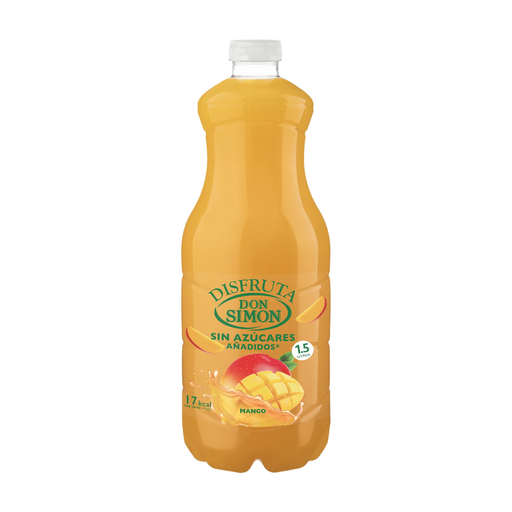 Image unavailable
Worth considering if you’re looking for a mango nectar to share, rather than 100% juice. If you want to avoid sweeteners, check the ingredients list, including for E-955; also read the “of which sugars” value and the instructions for after opening.
 Image unavailable
The 1 L pack could suit a shared breakfast if the volume is right for what you plan to serve. Compare its “of which sugars” value with those of other products you’re considering, and follow the refrigeration instructions once opened.
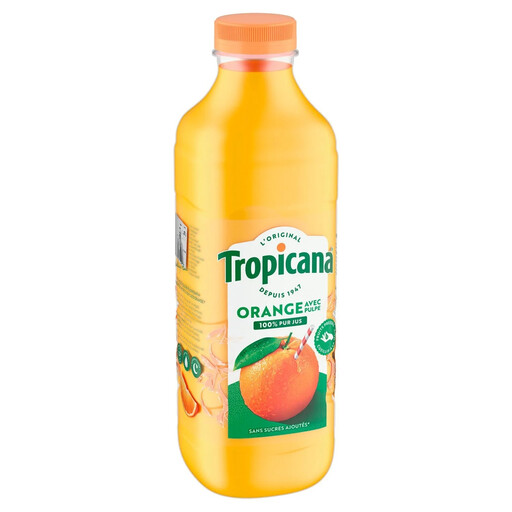 Image unavailable
For anyone who prefers orange juice with pulp: the Joybuy listing says it is made with pressed oranges and contains 9.8 g of sugars per 100 ml. As it’s marked “short-dated”, checking the date is particularly important. You’ll also need to keep it in the fridge.
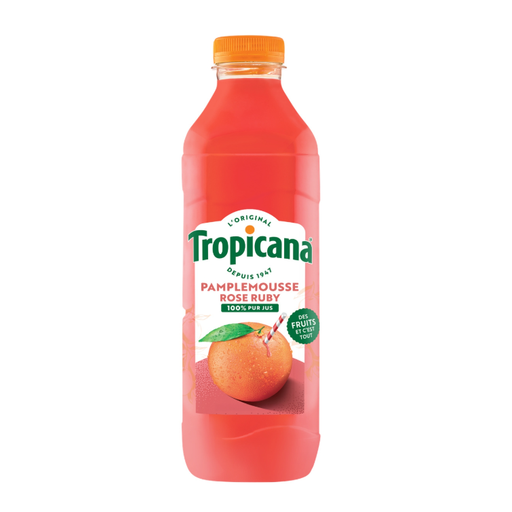 Image unavailable
A single-fruit option to consider if you prefer pink grapefruit to mixed-fruit blends. To compare its sugar content and plan for the weekend, check the nutrition information per 100 ml and the storage instructions on the packaging.
No: this claim doesn’t remove the sugars naturally found in fruit. To find out how much sugar is declared in the product you’ve chosen, check the “of which sugars” value in the nutrition information, given per 100 ml.
If your priority is getting fibre from fruit, don’t automatically replace whole fruit with juice. Manger Bouger says fruit juice is low in fibre compared with whole fruit and recommends choosing whole fruit instead.
Manger Bouger recommends limiting all types of fruit juice as much as possible to a maximum of one glass a day, and choosing whole fruit instead. This advice also applies to juice labelled “no added sugars”.
Look for “from concentrate” or “partly from concentrate” on the product in question. Also check its product description and ingredients list so you don’t confuse it with a nectar.
Follow the instructions on the bottle you choose: some products need to be refrigerated once opened and consumed within the following few days. Check the exact time on the packaging, especially if you’re buying a large pack for the weekend.