Hosts avoiding added sugars
You want to serve juice at your barbecue without confusing ‘no added sugars’ with ‘sugar-free’. The product name, ingredients and ‘of which sugars’ figure help you tell the difference.


For a barbecue, start by choosing the type of drink, then compare the ‘of which sugars’ figure per 100 ml: ‘no added sugars’ does not mean sugar-free. Also plan how much to serve and, if you choose fresh juice, make sure you can keep it at the recommended temperature until serving.
You want to serve juice at your barbecue without confusing ‘no added sugars’ with ‘sugar-free’. The product name, ingredients and ‘of which sugars’ figure help you tell the difference.
You’d rather serve juice as an occasional drink than offer it freely. Manger Bouger, the Santé publique France website, recommends having no more than one glass of juice a day and reminds us that juice does not count as a portion of fruit.
You’re considering fresh citrus juice for an outdoor meal. Some products need to be kept in the fridge: Carrefour Extra 3 Agrumes juice, for example, must be stored between 0 °C and +6 °C.
First, distinguish between fruit juice and nectar, then compare the sugar content on the same per-100 ml basis. Portion size, recipe and storage requirements can then help you choose the right products for serving.
| Criterion | What to check | Who it matters to |
|---|---|---|
| Added sugars and sugars present | The product name, ingredients and ‘of which sugars’ figure per 100 ml. | If I’m avoiding added sugars, I also want to know how much sugar is actually in the glass I serve. Around 33% of consumers put this distinction first. |
| Serving size | The size of the glasses and the number of servings planned; keep water available too. | I want to offer juice with the meal without making it a free-flowing drink. Portion control is the top priority for around 27% of consumers. |
| Recipe and flavour | The fruits listed, whether it contains pulp, and whether it is a single-fruit or mixed-fruit recipe. | I’m looking for a recipe that suits the menu and my guests, whether that’s citrus, grapefruit or mixed fruit. Around 20% of consumers focus first on the type of fruit. |
| Storage and pack size | The temperature stated on the packaging and the volume needed for the number of guests. | If the meal is outdoors, I need to be able to keep chilled juice cold until serving and have enough drinks to share. This is the main consideration for around 20% of consumers. |
Sugars naturally present in the fruit are still included in the nutritional information. So, the absence of added sugars alone does not tell you how much sugar is in a glass.
Compare the ‘of which sugars’ figure per 100 ml, then take the portion you plan to serve into account.
These names refer to different categories and not necessarily the same recipe. A claim on the front of the pack is no substitute for checking the ingredients and nutritional information.
Check the product’s legal name before comparing the sugar figures per 100 ml.
Carrefour Extra 3 Agrumes must be stored between 0 °C and +6 °C, which is worth bearing in mind if you’re serving it outdoors.
Check the storage instructions for your chosen product and make sure you can keep it at the stated temperature until serving.
Manger Bouger recommends having no more than one glass of juice a day and says that juice does not count as a portion of fruit.
Make sure water is available too, and decide on the glass size before the meal.
The Le Fruit range includes several juice recipes, including citrus and mixed-fruit options.
The fresh 3 Agrumes product combines orange, blood orange, pink grapefruit and pulp.
Jafaden pink grapefruit juice is a single-fruit option to consider if this recipe suits your guests.
Carrefour’s range includes Tropicana fresh orange juice with no pulp.
Here, Auchan is a retailer, not the manufacturer’s brand for the different drinks it sells.
This selection includes mixed-fruit juices and nectars with different recipes. For your barbecue, start by choosing the category and fruits you want, then check the sugar content per 100 ml and the storage instructions on your chosen product’s label.
 Image unavailable
A shareable size if you’re looking for mixed-fruit juice for your barbecue. Compare the sugar content per 100 ml and check the storage instructions on the label.
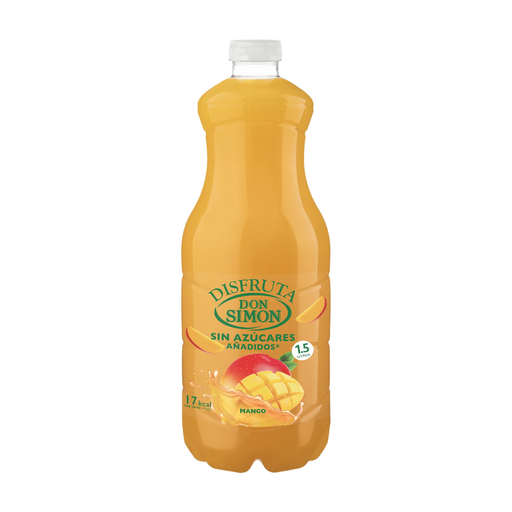 Image unavailable
Worth considering if you’d like to serve a mango recipe rather than fruit juice. It’s a nectar, so check its ingredients and sugar content per 100 ml before comparing it with juices.
 Image unavailable
This 1 L size is a good choice if you’re looking for mixed-fruit juice in a smaller pack than the 1,5 L options featured here. The ‘no added sugars’ claim doesn’t mean you can skip checking the ‘of which sugars’ figure.
 Image unavailable
A mixed-fruit recipe to share if your guests prefer nectar. Check the ingredients and sugar content per 100 ml, and remember that this product is not the same as pure juice.
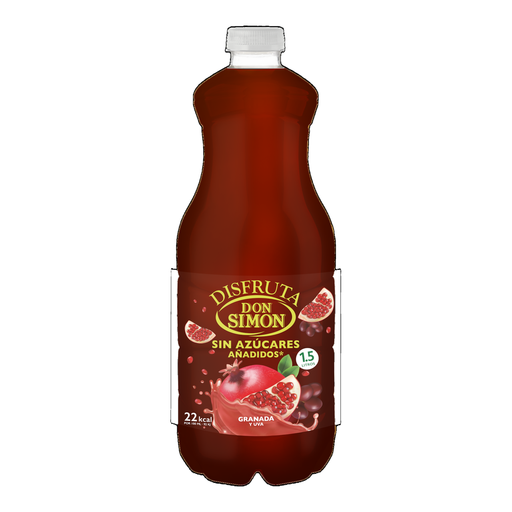 Image unavailable
Consider this if you’d like to offer a pomegranate recipe in a shareable size. As with other nectars, check the ingredients and ‘of which sugars’ figure for the product you choose.
No. This claim does not mean that the sugars naturally present in fruit have disappeared. To compare specific products, E.Leclerc and Auchan list 7,9 g of sugars per 100 ml for Jafaden pink grapefruit juice and 9,5 g per 100 ml for Joker Le Fruit grapefruit juice, respectively.
Choose according to the recipe you’re looking for, but compare these categories without confusing them. For each product, check the name, ingredients and ‘of which sugars’ figure per 100 ml: the word ‘diet’ alone won’t tell you which to choose.
Treat juice as an occasional drink and keep water available too. Manger Bouger, the Santé publique France website, recommends having no more than one glass of juice a day and points out that juice does not count as a portion of fruit.
Keep your chosen juice at the temperature stated on the packaging until you’re ready to serve it. Carrefour’s product information says Carrefour Extra 3 Agrumes should be stored between 0 °C and +6 °C, so make sure you can keep it chilled if your barbecue is outdoors.