People planning individual desserts
If you want a dessert ready to go with every meal, sealed pots save you having to portion out a large tin when preparing meals. Carrefour and Auchan, for example, offer products in packs of four 113 g portions.


For ready-to-serve desserts without having to portion out an opened tin, choose individual pots. A large tin is better suited to recipes or adjusting quantities, as long as you plan to use the leftovers within the stated time after opening. In either case, compare the ingredients and sugars per 100 g: “no added sugars” does not mean “sugar-free”.
If you want a dessert ready to go with every meal, sealed pots save you having to portion out a large tin when preparing meals. Carrefour and Auchan, for example, offer products in packs of four 113 g portions.
For topping a tart or making a dessert to share, a tin lets you take out the quantity you need. Plan how you’ll use the leftovers too: storage instructions after opening vary by product.
If “no added sugars” matters to you, also check the ingredients and the “of which sugars” line in the nutritional information. Anses points out that this claim does not rule out naturally occurring sugars.
The right format mainly depends on what you plan to do with the fruit after opening: serve set portions or use it in a recipe.
Choose this: if you want to assign a sealed dessert to each planned meal.
Bear in mind: the amount of fruit in each container is fixed, so it’s less flexible for recipes.
Choose this: if you’re making a dessert to share or need to measure out the right amount for a recipe.
Bear in mind: once opened, leftovers must be stored and used according to the instructions on that product’s label.
| What to consider | What to check | Who it’s for |
|---|---|---|
| Ready-to-serve portions | Number of sealed containers and weight per portion; Carrefour and Auchan, for example, offer 4 × 113 g packs. | If I want a dessert with every meal without opening a large tin, I prefer separate containers. Around 40% of consumers prioritise having ready-to-serve portions. |
| Flexibility in the kitchen | Amount needed for the recipe, drained weight where stated, and instructions for after opening. | If I’m making a tart or a dessert to share, I want to choose the amount of fruit myself and use the leftovers in time. This flexibility is the top priority for around 30% of consumers. |
| Ingredients | Ingredients and the “of which sugars” line per 100 g; Nutri-Score if displayed. | Before planning to serve this dessert regularly, I want to distinguish the “no added sugars” claim from the amount of sugars shown on the label. This is the top priority for around 30% of consumers. |
As Anses explains, fruit can contain naturally occurring sugars even when no sugar has been added. The claim alone therefore isn’t enough to compare the sugar content of two products.
Check the ingredients and the “of which sugars” line per 100 g on each product.
Instructions vary from product to product. For example, the product information for Auchan’s 340 g exotic fruit mix says to refrigerate the leftovers in a suitable airtight container and use them within two days.
Before you buy, plan another use for any leftovers and check the time limit on the label of the tin you choose.
Carrefour Classic' is one of the brands offering fruit in syrup in individual portions.
Auchan offers pots as well as tins to portion out or use in cooking.
St Mamet offers fruit in syrup in individual portions and larger tins.
Aldi offers Baccara pots of fruit in light syrup.
This selection includes a pack of small separate tins for planning several desserts, as well as tins you can portion out for a recipe or to serve several people. A small tin is not necessarily a pot, so check that the packaging suits your needs.
 Image unavailable
Worth considering if you’d like to set aside a small tin for each of several planned desserts.
The pack contains three 125 g tins. Follow the storage instructions on the label of any tin you open.
 Image unavailable
Consider this if you want to use the pear halves in a recipe, rather than serve sealed individual desserts.
The stated drained weight is 455 g. Plan to use any leftovers according to the instructions for after opening.
 Image unavailable
This format works well for a dessert to portion out or a recipe that calls for fruit cocktail.
The tin contains 425 g and doesn’t provide separate sealed portions. Check the storage instructions if you don’t use it all.
 Image unavailable
Worth considering if your recipe calls for mango slices to portion out, rather than ready-portioned individual servings.
This tin contains 425 g. If you open it, plan to use the leftovers according to the label instructions.
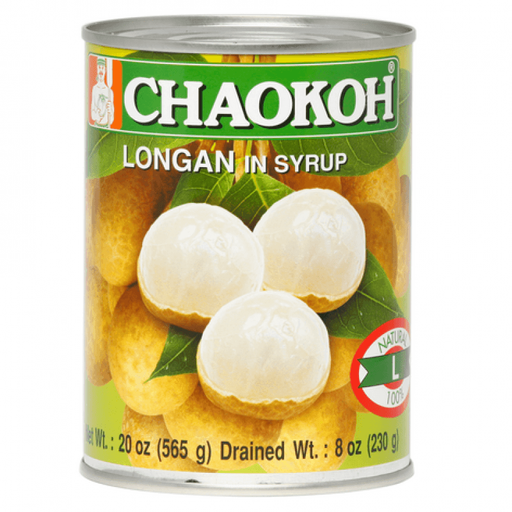 Image unavailable
Consider this for a dessert or fruit salad that you can portion out yourself.
The tin is listed as 565 g; it isn’t a pack of individual portions. Check the label for instructions on using leftovers after opening.
No. They’re a good option if you want to assign a sealed portion to each meal, but a large tin gives you more flexibility for a recipe or a dessert to share. If you choose the latter, plan to use the leftovers according to the instructions for after opening.
No. Anses explains that naturally occurring sugars may still be present even when no sugar has been added. Compare the ingredients and the “of which sugars” line per 100 g for each product.
Follow the instructions for the product you’ve bought: they can differ from one product to another. Auchan’s 340 g exotic fruit mix should be refrigerated in a suitable airtight container and used within two days; the product information for St Mamet’s 850 g Williams pears says to keep them in a suitable container in the fridge for three to four days.
The DGCCRF says that a product with a best-before date can be eaten after that date if its packaging is intact, although its taste and quality may change. Once the tin is open, follow the storage instructions and use-by period after opening shown on the label.