If you’re preparing several batches, choose a large tin if you can use the fruit after opening in line with the instructions on the packaging. Pots are better suited to individual portions or smaller quantities. First compare the drained weight you need for your recipes, then consider the fruit’s shape and, if added sugars matter to you, check the ingredients list and nutritional information.
Who are these formats for?
Anyone preparing several batches
If you’re making cakes or muffins in batches, work out how much drained fruit you’ll need before choosing a large tin. The 800–850 g options listed at Carrefour could cover several recipes while reducing the number of containers you need to open, provided you plan how to use the fruit after opening.
Bakers looking to add fruit pieces
A fruit cocktail with pieces can save you from having to cut fruit halves before adding them to a batter or filling. However, check which fruits are in the mix if your recipe calls for a particular one.
Anyone planning portions and keeping an eye on ingredients
An option with no added sugars may suit a particular recipe, while individual pots can make serving separate portions easier. In either case, compare the usable quantity, ingredients list and nutritional information for the product you choose.
What should you look for before buying?
For a school cake sale, start by working out how many batches you’ll make and how much fruit you’ll add. Then choose a format that suits your recipe and the storage instructions after opening.
| Criteria |
What to check |
Who it matters to |
| Amount of usable fruit |
Compare the drained weight with the amount needed for your batches, then compare formats on a like-for-like basis. |
If I’m making several cakes, I want to buy enough fruit without counting the syrup as an ingredient. Around 33% of consumers put this usable quantity first. |
| Cut and presentation |
Choose pieces for easy mixing, or fruit halves if you’d rather cut them yourself. |
When dividing fruit between several cakes, I prefer to keep chopping to a minimum, even if a fruit cocktail means accepting a particular mix. Around 27% of consumers put ease of preparation first. |
| Added sugars |
Read the ingredients list and the ‘of which sugars’ figure per 100 g; don’t rely on the claim on the front of the pack alone. |
My recipe already contains sweet ingredients, so I want to know what the fruit is packed in. I also don’t want to confuse ‘no added sugars’ with ‘sugar-free’. Around 20% of consumers prioritise this criterion. |
| Leftovers after opening |
Plan how many containers you’ll need to open and follow the storage instructions for the specific product. |
If there’s a gap between batches, I prefer a format whose contents I can use after opening in line with the instructions. Managing leftovers is the main concern for around 20% of consumers. |
Mistakes to avoid
-
Working out how many batches you can make from the tin’s total weight
The total weight includes the liquid the fruit is packed in, while your recipe may use mainly the fruit. The DGCCRF states that the drained weight must be shown for foods presented in a liquid medium.
Add up the amounts of drained fruit required for your recipes, then check this information on each product you’re considering.
Calculating from the weight including syrup could mean opening more tins than you planned.
-
Choosing pots just to avoid chopping
Pots make individual servings easy, but if you’re making a large batch of cakes, compare the amount of usable fruit and how many containers you’ll need to open. Carrefour and Auchan also list tins and fruit cocktails in larger formats.
If you’re making a large amount of batter, look at tins before choosing individual portions; opt for pots if they suit the way you plan to serve the fruit.
Opening every pot adds an extra step when you’re combining the fruit in one mixture.
-
Assuming ‘no added sugars’ means ‘sugar-free’
This claim doesn’t, on its own, tell you about the sugars naturally present in the fruit or the finished cake’s ingredients.
Compare the ingredients list and the ‘of which sugars’ figure per 100 g for the exact product, then adapt your recipe to get the result you want.
-
Opening a large tin before planning how you’ll use it
Storage instructions after opening vary by product. For example, the Joybuy product page for St Mamet fruit cocktail, 425 g, says to keep it in a suitable container in the fridge for 3 to 4 days. This guidance doesn’t automatically apply to other products.
Plan your batches before opening the tin and follow the instructions on the packaging of the product you’re using.
If you don’t use a large format as instructed, you may end up having to throw some fruit away.
Brands to know when comparing formats
Carrefour Classic’ / Simpl
These Carrefour own-brand ranges include fruit cocktails in syrup in 825 g tins, as well as other formats depending on the product.
- Larger formats may be a good choice if you’ll use the contents across several batches.
- Check the drained weight and ingredients of the product you choose; the range varies by store and collection option.
Eco+ / Marque Repère E.Leclerc
E.Leclerc lists fruit cocktails and fruit in syrup in formats from 340 to 500 g, including a 500 g Eco+ fruit cocktail.
- The 500 g format lets you plan for a more modest quantity than an 800 g tin or larger.
- For several batches, work out how many tins you’ll need using their drained weight.
Auchan / Pouce
Auchan stocks tins and pots of fruit in syrup, as well as some options with no added sugars.
- Pots may suit you if you need separate portions rather than fruit to mix into a large batch of batter.
- Check the product name and nutritional information for each option, as formats and ingredients vary.
Baccara / Aldi
Aldi lists a 500 g Baccara fruit cocktail in light syrup.
- This format may suit a recipe that doesn’t call for a large tin.
- Check which fruits are in the mix, the drained weight and the product available at your store.
Fruit in syrup available on Joybuy
This selection includes fruit cocktails for mixing into cakes, as well as fruit in syrup to choose according to your recipe, the quantity you need and how you’d like the fruit cut.
 Image unavailable
St Mamet Fruit Cocktail in Syrup, 850 g
Worth considering for several batches if you’re planning to use the contents after opening. The pack is 850 g; check the drained weight on the label to work out how much fruit you’ll have for your cakes.
View on Joybuy
 Image unavailable
St Mamet Fruit Cocktail in Syrup, 425 g
This 425 g format suits a recipe that needs less fruit than a large tin, although you may need several tins for a big batch. Check the drained weight and follow the storage instructions after opening for this specific product.
View on Joybuy
 Image unavailable
St Mamet Williams Pear Halves in Light Syrup, 455 g drained
Pear halves let you choose how to cut the fruit for a tart or decorated cake, but you’ll need to prepare them before adding them in smaller pieces. The stated weight is 455 g drained; check the details on the tin you buy to plan your batches.
View on Joybuy
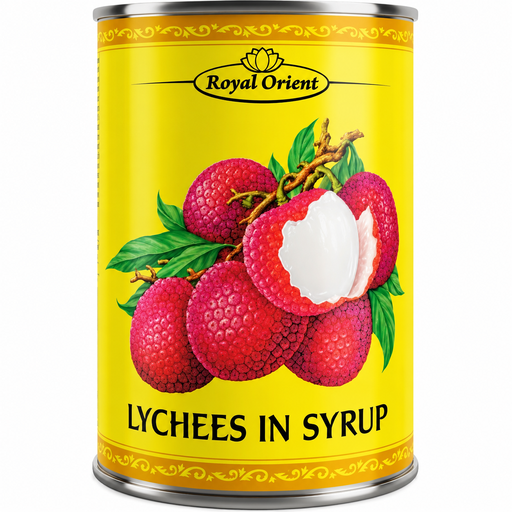 Image unavailable
Lychees in Syrup, 567 g
Consider these if your recipe calls for lychees as a topping. The pack is 567 g; check the drained weight and how the fruit is presented before deciding how much to use.
View on Joybuy
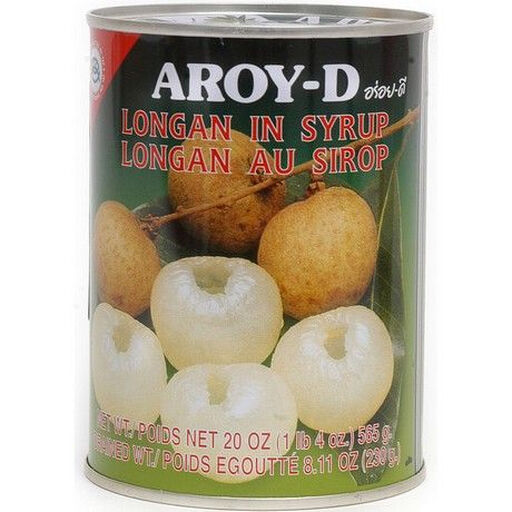 Image unavailable
Aroy-D Longans in Syrup, 565 g
Choose these if your recipe calls for longans rather than a fruit cocktail; allow time to chop them if you want smaller pieces in the batter. The pack is 565 g, so check the drained weight to work out how much fruit you can use.
View on Joybuy
Frequently asked questions
Which weight should I use to work out how much fruit to add to a cake?
Use the drained weight if your recipe uses the fruit without the liquid it’s packed in. The DGCCRF states that this information must appear on the label of foods presented in a liquid medium.
Does ‘no added sugars’ mean ‘sugar-free’?
No. Fruit can contain naturally occurring sugars. To compare two products for the same recipe, check their ingredients lists and the ‘of which sugars’ figure per 100 g.
How should I store an opened tin of fruit in syrup before baking?
Follow the storage instructions for the product you’ve bought and plan how you’ll use it before opening the tin. For St Mamet fruit cocktail, 425 g, the Joybuy product page says to keep it in a suitable container in the fridge for 3 to 4 days; this guidance applies to that product only.


