Students sharing a house or entertaining often
A 500 g tin or larger could be ideal for a shared dessert or a recipe. Just make a plan for any fruit left over: the product’s storage instructions apply as soon as you open the tin.


When moving into student accommodation, choose a large tin if you plan to share the fruit or use it in a recipe soon after opening. If you live alone and only eat it occasionally, individual portions mean you won’t be left with an open tin. Either way, compare the amount of fruit shown by the drained net weight, then check the ingredients, nutritional information and storage instructions for the product you’re considering.
A 500 g tin or larger could be ideal for a shared dessert or a recipe. Just make a plan for any fruit left over: the product’s storage instructions apply as soon as you open the tin.
If you only eat fruit in syrup occasionally, individual pots let you open one portion at a time. Check the number of pots and their weight to make sure the quantity suits your meals.
If you’re looking for a particular recipe, don’t rely on the front-of-pack claims alone. Check the ingredients list and the “of which sugars” figure per 100 g in the nutritional information for the exact product.
First decide whether you’ll be sharing the fruit or eating one portion at a time. Then check the drained net weight, along with the details specific to the recipe and its storage.
| What matters | What to check | Who is it for? |
|---|---|---|
| Amount to share | The drained net weight and the quantity needed for the portions you plan to serve. | When I’m making dessert for a group, I want enough fruit without using lots of containers; around 36% of consumers prioritise sharing. |
| Leftovers after opening | The storage instructions for that product and whether you can finish it in time. | When I live alone and rarely eat this kind of dessert, I’d rather not leave a large tin open; avoiding leftovers is the priority for around 29% of consumers. |
| Ingredients | The product name, ingredients and “of which sugars” figure per 100 g. | If I choose a recipe based on its ingredients, the format comes second; around 21% of consumers prioritise ingredients first. |
| Easy-to-store or portable format | The number of units, their weight and the space available for storage. | When space is limited while I’m moving in, or I need to take dessert with me, I look for a manageable container; this comes first for around 14% of consumers. |
A large total quantity doesn’t necessarily mean you’ll get the amount of fruit you need: the liquid covering the fruit is included in the product’s weight too.
Compare the drained net weight and choose a container you’ll be able to finish after opening.
Storage instructions after opening vary by product. For its pears in light syrup, Auchan says to keep the fruit in its liquid in the fridge and eat it promptly.
Before buying, check the instructions for the product you’ve chosen. If you only plan to use a small portion, consider individual containers instead.
An open tin you can’t finish could end up going to waste.
“No added sugars” doesn’t mean the fruit contains no sugar.
To compare two recipes, check their ingredients lists and the “of which sugars” figure per 100 g in the nutritional information.
Carrefour Classic' includes tins of fruit in syrup and multipacks of individual pots.
Auchan offers, among other options, pots in packs of 4 × 113 g and an 820 g tin of Williams pears in light syrup.
E.Leclerc’s Eco+ range includes a 500 g cocktail of four fruits in light syrup.
This E.Leclerc Marque Repère range includes tins of fruit in syrup and pots in packs of 4 × 70 g.
ALDI France offers a 500 g fruit cocktail and individual pots under the Baccara brand.
These products include four containers weighing between 565 and 850 g, to consider for a shared dessert or a recipe, as well as a pack of three 125 g containers to open individually. Format alone isn’t enough to make your choice: also check the amount of fruit and the instructions for storing the product after opening.
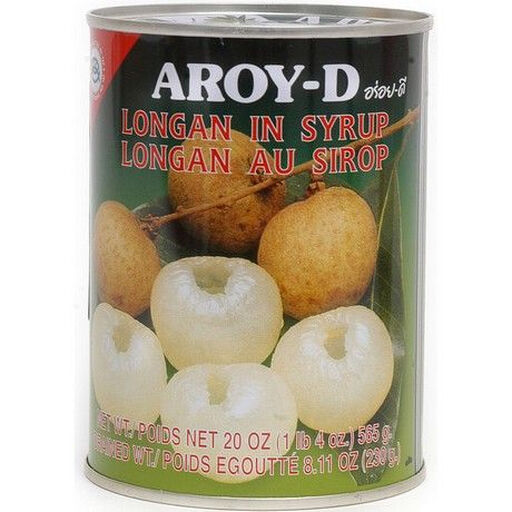 Image unavailable
A 565 g container to consider if you’re making a dessert to share. Check the drained net weight and storage instructions after opening so you can plan how much to serve and what to do with any leftovers.
 Image unavailable
This 565 g format could work well for a dessert shared with others. If you don’t use it all at once, make sure you follow the storage instructions on the product.
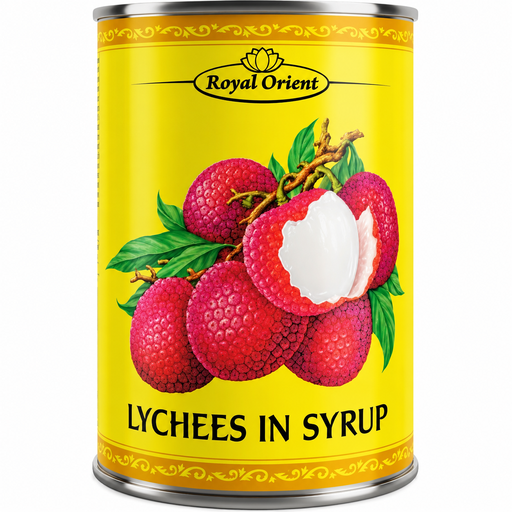 Image unavailable
Consider the 567 g tin if you’re planning to serve lychees to a group or use them in a recipe. Check the drained net weight to see how much fruit you’ll get.
 Image unavailable
This 850 g container could be a good choice for a shared dessert if you plan to use the fruit after opening. Check the drained net weight and the storage time given for this product.
 Image unavailable
The three separate 125 g containers are suited to eating one at a time, rather than making a large dessert to share. Check that the amount in each pot is right for the portion you want.
Think about how much fruit you need rather than relying on the words “family size” alone. The DGCCRF points out that, for food packed in a covering liquid, the label also gives the drained net weight. This helps you distinguish the amount of fruit from the total weight.
Follow the instructions for the product you’ve bought, as storage times vary. A ST MAMET product page for a 425 g fruit cocktail recommends keeping it in a suitable container in the fridge for 3 to 4 days. Auchan’s product page for Williams pears says to keep them in their liquid in the fridge and eat them promptly. Don’t automatically apply these instructions to a different product.
No. It doesn’t mean the product contains no sugar, as fruit contains naturally occurring sugars. To compare the products you’re interested in, check their ingredients and the “of which sugars” figure per 100 g in the nutritional information.
First, check the wording next to the date: a best-before date isn’t the same as a use-by date. The DGCCRF explains that a product past its best-before date may still be eaten if its packaging is intact, although its taste may have deteriorated. Once it’s open, follow the product’s storage instructions.