Families sharing a dessert
If you’re tipping the fruit into a serving bowl or using it in a bake, one tin may be all you need. Check its drained net weight to work out how much fruit you’ll have to serve.


To serve dessert to several people from one tin, first check the drained net weight, which tells you how much fruit there is without the liquid. A large tin is a good choice if you plan to use nearly all of it; if desserts will be eaten at different times, a standard tin or individual pots can help reduce leftovers. Also check the recipe and the product’s storage instructions after opening.
If you’re tipping the fruit into a serving bowl or using it in a bake, one tin may be all you need. Check its drained net weight to work out how much fruit you’ll have to serve.
If you won’t finish the tin at the same meal, check the storage instructions for after opening. A standard tin or individual portions may be more practical than a large tin.
If the covering liquid or sugar content matters to you, compare the ingredients and nutritional information for each product. Don’t rely on the name on the shelf alone.
Choose this if: you’re making a dessert for everyone to share or a recipe that will use nearly all the contents.
Bear in mind: any leftovers will need to be stored according to the instructions on the tin.
Choose this if: you need a smaller amount of fruit or only plan to use it occasionally.
Bear in mind: one tin may not be enough for everyone; use the drained net weight as your guide.
Choose these if: everyone will be having dessert at a different time.
Bear in mind: these are individual portions, rather than one tin to share.
When shopping for a large family, think about how much fruit you need to serve, whether you can finish an opened tin and the recipe you want to make.
| What to consider | What to check | Who is it for? |
|---|---|---|
| Amount of fruit | Compare the drained net weights and estimate how much you’ll need for the dessert you’re planning. | I want to serve everyone from one tin without confusing the fruit with the covering liquid; around 40% of consumers put the amount of fruit to serve first. |
| Leftovers after opening | Check the storage conditions and the timeframe given for the product you’re considering. | If desserts will be eaten over several days, I’d rather choose a format we can finish; around 30% of consumers prioritise managing leftovers. |
| Ingredients | Compare the covering liquid, ingredients and the ‘of which sugars’ line in the nutritional information. | I want to choose a recipe that suits our preferences, rather than going by the fruit name alone; around 30% of consumers prioritise ingredients first. |
The total weight includes the covering liquid. For example, an Auchan fruit cocktail listing gives a total weight of 410 g and a drained net weight of 250 g.
To work out how much you’ll be serving, compare the drained net weights of the tins you’re considering.
Instructions vary by product: two Auchan listings advise using the contents within two and three days of opening respectively, and storing them in the fridge in a suitable container.
Choose a large format if you can use the contents within the timeframe stated on that particular product’s label.
Otherwise, some of the fruit may go uneaten.
Carrefour and Auchan also stock fruit in juice and products labelled ‘no added sugar’. These descriptions don’t refer to one specific recipe.
Check the ingredients and nutritional information for each product you compare, especially the ‘of which sugars’ line.
Carrefour stocks, among other products, 820 g tins of peaches and 825 g tins of fruit cocktail.
Auchan’s range includes tins and individual pots. Its 410 g fruit cocktail listing gives a drained fruit weight of 250 g.
E.Leclerc stocks, among other products, a 500 g tin of ECO+ four-fruit cocktail in light syrup.
E.Leclerc sells a 500 g fruit cocktail in light syrup and packs of 4 × 70 g individual pots under this brand.
Carrefour and Auchan stock products from these brands, including fruit cocktails and fruit in juice, depending on the product.
This selection of single tins includes an 850 g fruit cocktail and formats ranging from 425 to 565 g. To choose the right size for your group, check the drained net weight of each tin and plan what you’ll do with any leftovers after opening.
 Image unavailable
A large single tin to consider for a dessert to share or a recipe. Check its drained net weight to work out how much fruit you’ll have, then check the storage instructions in case you don’t finish the tin.
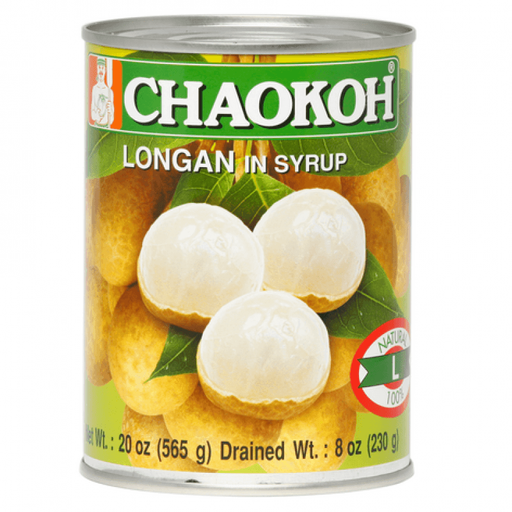 Image unavailable
A mid-sized format if you’d like to serve longans for dessert. Check the drained net weight to work out how much fruit there is, and read the storage instructions for after opening.
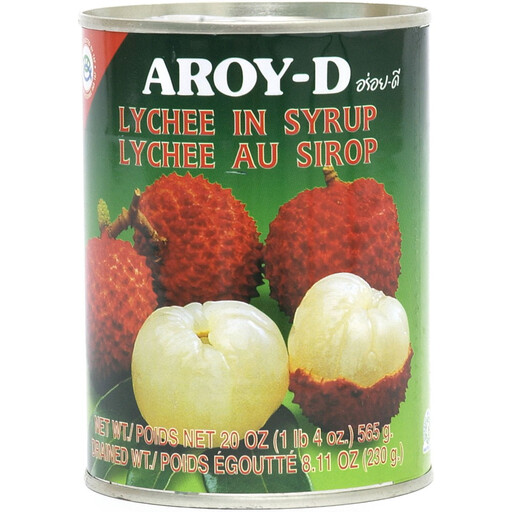 Image unavailable
A single tin of lychees to consider for a dessert or fruit salad. Compare its drained net weight with the amount you need, and check the instructions on the tin for storing any leftovers.
 Image unavailable
A standard tin to consider for an occasional mango recipe. The drained net weight will help you decide if it’s enough for your guests; follow the product instructions if you don’t use it all.
 Image unavailable
A standard tin of fruit cocktail if you’re planning a smaller dessert than you would with the 850 g tin. To estimate portions, compare the drained net weights rather than the total weights alone.
Check the drained net weight to find out how much fruit there is without the covering liquid. The DGCCRF says this information applies to products presented in a covering liquid. For example, an Auchan listing gives a drained fruit weight of 250 g for a fruit cocktail weighing 410 g in total.
Follow the timeframe and storage instructions on the product you’ve opened. Two Auchan listings advise storing the fruit in the fridge in a suitable container, but give different timeframes: two days for one cocktail and three days for another. Don’t assume the same instructions apply to every tin.
No, these descriptions don’t refer to one specific recipe. To compare two tins, check the ingredients, covering liquid and the ‘of which sugars’ line in the nutritional information.
Look for details such as the product name, ingredients, net quantity and nutritional information. For a product presented in a covering liquid, the DGCCRF says the drained net weight must also be shown. It’s particularly useful when you’re preparing a dessert to share.
Not necessarily, as long as the packaging is intact. The DGCCRF explains that a product may lose some of its flavour after its best-before date. Check the date wording on the tin and make sure the packaging is in good condition.