Families sharing dessert
If everyone is having fruit at the same lunch, a large tin makes it easy to serve several plates without opening a run of smaller packs. Check the quantity of fruit shown as the drained weight.


If you’re serving fruit in syrup to several people at the same lunch, a large tin is a good option as long as you can use its contents within the recommended time after opening. For lunches at different times, a multipack of small tins or individual pots lets you open portions separately. Either way, compare the drained weight. To choose a recipe, also check the ingredients and the “of which sugars” figure per 100 g.
If everyone is having fruit at the same lunch, a large tin makes it easy to serve several plates without opening a run of smaller packs. Check the quantity of fruit shown as the drained weight.
If everyone eats at different times, separate tins or individual pots mean you only need to open as much as you need each time.
If you’re choosing between fruit in syrup, light syrup, juice and products labelled “no added sugar”, compare the ingredients and the sugars per 100 g. “No added sugar” on its own doesn’t mean the total sugar content is low.
For school holiday lunches, start by thinking about how many people will be eating together, then consider whether you’ll be able to open the tins over several meals. The recipe is a separate choice from the packaging.
| What to consider | What to check | Who is it for? |
|---|---|---|
| Amount to share | The drained weight and how much you’ll need for a shared meal, rather than just the tin’s total weight. | When several people are having the same dessert, I want enough fruit for everyone without opening multiple tins. Around 40% of shoppers would prioritise this family-sized format. |
| Opening portions separately | The number of units, their weight and the storage instructions after opening. | If lunches are at different times, I’d rather open a small pack for each meal than keep a large tin once it’s been opened. This flexibility would be the top priority for around 30% of shoppers. |
| Recipe and sugars | The product description, ingredients and the “of which sugars” figure per 100 g. | Before choosing between fruit in syrup or juice, I want to understand what’s in the recipe. Around 30% of shoppers would put the ingredients first. |
A family-sized tin can work well for a shared lunch, but any leftovers need to be stored according to the product’s instructions. Auchan’s product pages for an exotic fruit mix and ST MAMET lychees give different storage times after opening.
Plan the portions you’ll need for the meal before choosing a size, and check the storage instructions on the tin you buy. If lunches are spread out, consider separate packs.
Opening a tin that’s too large can leave you with fruit to throw away if you can’t use it within the recommended time.
The weight of a tin of fruit in syrup includes the liquid. So you can’t compare two tins of different total weights just by looking at the size on the front.
Check the drained weight on the label, then consider it against the number of people and meals you’re planning for.
Carrefour and Auchan stock fruit in syrup, light syrup and juice, among other options. The liquid and ingredients can vary from one product to another.
Check the product description, ingredients and nutritional information per 100 g for each product you’re considering.
The formats and recipes mentioned here are useful for comparing labels. They don’t mean that all these products are available on Joybuy.
This own-brand range is available at Carrefour France, with family-sized tins, individual pots and a variety of fruit recipes.
The range includes fruit cocktails in syrup in both large and small tins, as well as individual pots.
The Auchan France range includes individual pots, single tins and multipacks of fruit.
Auchan France stocks several tinned fruit products under this brand, including pineapple and peaches in juice.
ALDI France stocks, among other products, a 330 g tin of five-fruit cocktail in light syrup.
This selection includes a large tin to share, multipacks of tins to open over several lunches, and a medium-sized single tin. Choose according to the portions you’re planning, then check the drained weight and the instructions on each product.
 Image unavailable
This large tin is ideal for a dessert served to several people at the same lunch. The stated pack size is 850 g. Check the drained weight to see how much fruit you’ll have to serve, along with the instructions for after opening.
 Image unavailable
You can open the three tins at different lunches rather than all at once. Each unit is stated as 125 g; check its drained weight and storage instructions after opening.
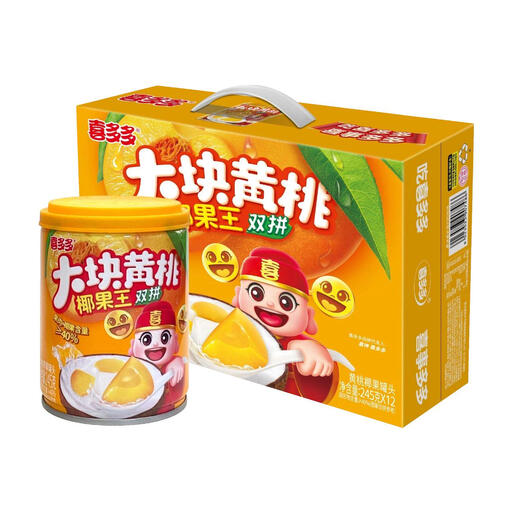 Image unavailable
This pack of twelve tins is suited to households planning to open them over several lunches. Each tin is stated as 245 g; check the drained amount per tin and the instructions for after opening.
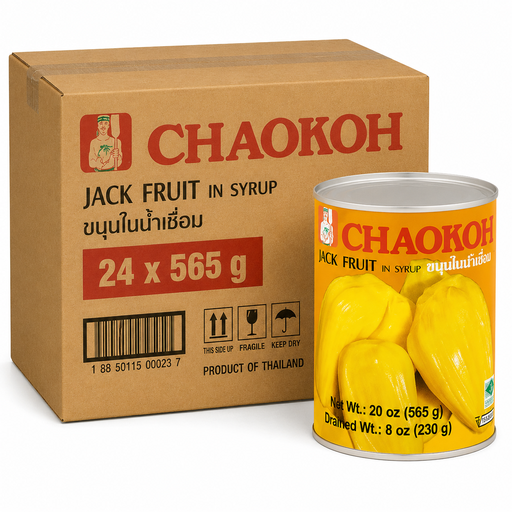 Image unavailable
This case of 24 tins is suited to stocking up for several meals, provided that amount meets your needs. Each tin is stated as 565 g; check its drained weight and the instructions for once it’s opened.
 Image unavailable
This single tin is a good option if you want mango in syrup without buying a multipack. Its stated weight is 425 g; check the drained weight and storage instructions after opening.
A large tin is a good choice if several people are having fruit with the same meal and you’ll use the contents in line with the instructions after opening. Carrefour France lists tins of 800 to 850 g, among other sizes. Compare their drained weights to work out how many portions you can serve. For separate meals, several smaller packs may be more convenient.
No. To compare the amount of fruit without the liquid, look for the drained weight. Carrefour France includes this on some product pages; check the value on the label of the product you’re planning to buy.
Follow the instructions for the tin you’ve opened. For its 340 g exotic fruit mix in light syrup, Auchan advises keeping it in a suitable airtight container in the fridge and eating it within two days. Auchan’s product page for ST MAMET lychees gives a storage time of three to four days in the fridge. These timeframes don’t apply to every tinned fruit product.
No. The claim “no added sugar” doesn’t tell you the product’s total sugar content. To compare recipes, check the ingredients list and the “of which sugars” figure in the nutritional information per 100 g on each label.