Which criteria should you prioritise for cakes?
For a school cake sale, start with your recipe and the number of batches you’re making. Then check the fat content if it matters to you, the syrup ingredients and how much fruit you can actually use.
| Consideration | What to check | Who it matters to |
|---|
| Fat content |
Check the fat content per 100 g for the variant you’ve chosen. For solid foods, Regulation (EC) No 1924/2006 sets the limit for a “low fat” claim at 3 g per 100 g. |
If I need to justify this criterion for the cake ingredients, a specific figure lets me check the exact product I’m buying. Around 40% of consumers make this their top priority. |
| Sugars in the recipe |
Compare the ingredients list and the “carbohydrates” and “of which sugars” figures per 100 g. Don’t confuse “no added sugars” with “sugar-free”. |
If I want to control the sugar I add to the batter, I need to know what the fruit and its liquid already contribute. This is the top priority for around 30% of consumers. |
| Pack size and storage |
Compare the drained weight with the amount you need, then follow the label instructions for storing any leftovers after opening. |
When several people are preparing the batches, I prefer a pack size that means we’ll use the fruit and can store any leftovers according to the product instructions. This is the top priority for around 30% of consumers. |
Fruit in syrup for your recipes
These Joybuy products include pears, peaches, lychees, mango and cherries in syrup to consider for your cakes. Choose the fruit and pack size to suit your recipe. If fat or sugar content is important to you, check the nutritional information for the variant you buy.
 Image unavailable
ST MAMET Williams pear halves in light syrup, 455 g drained weight
If you’re topping cakes with pear halves, compare the drained weight with the amount you need for your batches. Check the packaging for the ingredients, nutritional information and storage instructions after opening.
View on Joybuy
 Image unavailable
ST MAMET peach halves in light syrup, 230 g drained weight
If your recipe calls for peach halves, use the drained weight rather than the container size alone. Check the packaging for sugars, fat and storage instructions after opening.
View on Joybuy
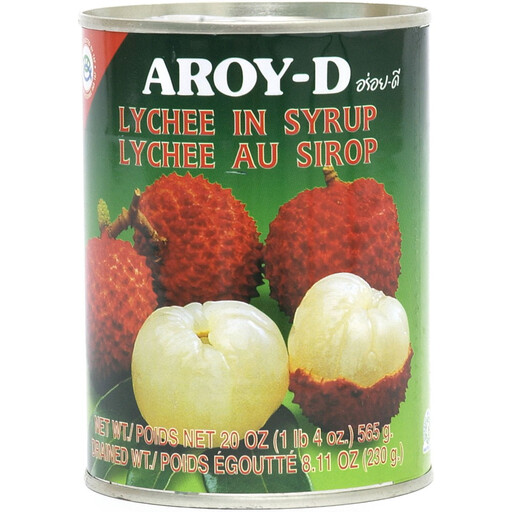 Image unavailable
Aroy-D lychees in syrup, 565 g
If your cake recipe calls for lychees, check how much fruit you need after draining. The 565 g refers to the weight shown in the product name, not the drained weight. Also check the ingredients and storage instructions for the tin you’ve chosen.
View on Joybuy
 Image unavailable
AROY-D mango slices in syrup, 425 g
If you’re arranging mango slices on a cake, work out how much you need using the drained weight shown on the packaging. The stated pack size is 425 g; check the ingredients and nutritional information separately.
View on Joybuy
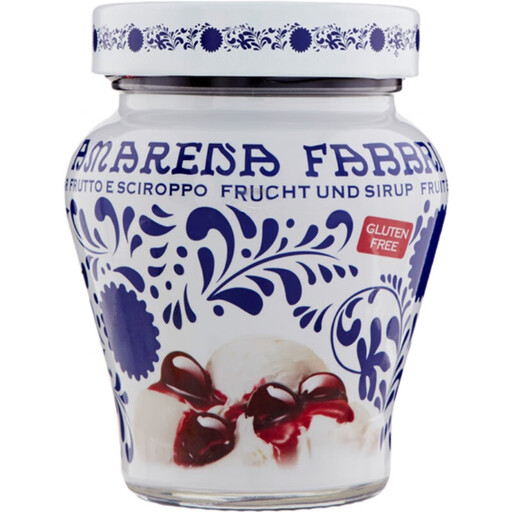 Image unavailable
FABBRI Amarena morello cherries in syrup, 230 g glass jar
If you’re decorating a cake or following a recipe that calls for morello cherries in syrup, consider how much you’ll use per cake. Check the jar for nutritional information and storage instructions after opening.
View on Joybuy
Frequently asked questions
Is fruit in “light syrup” always low in fat?
No. “Light syrup” doesn’t replace the fat content figure for the specific variant you’ve bought. For solid foods, Regulation (EC) No 1924/2006 reserves the “low fat” claim for products containing no more than 3 g of fat per 100 g. So check the corresponding figure per 100 g.
Can you leave out the sugar in your batter if you use fruit with “no added sugars”?
Not automatically. This claim doesn’t mean “sugar-free” or that the product contains no carbohydrates. Carrefour Classic’ listings state that the peaches contain 8.6 g of carbohydrates per 100 g and the fruit cocktail 14 g per 100 g. Test your recipe before adjusting it, rather than deciding how much sugar to remove based on the claim on the front of the pack alone.
How can you use fruit in syrup for a school cake sale?
You can use fruit in syrup in a recipe, as long as you prepare and store it according to the school’s guidelines. For school events, the French Ministry of National Education recommends choosing foods that generally present a low risk, and lists cakes with custard or Chantilly cream among the examples to avoid.
How long can you keep fruit in syrup after opening?
Follow the storage time and conditions given for the product you’ve opened. For example, the Joybuy listing for the 425 g ST MAMET fruit cocktail says to keep it in a suitable container in the fridge for 3 to 4 days after opening. Don’t apply this advice to other products.


