Buffet hosts serving food to share
You’re preparing several portions or a dessert for everyone to share. The drained net weight, stated number of portions and choice of fruit help you work out how much to serve.


For a dessert to share, start by checking the drained net weight and the number of portions you need to serve. For an attractive topping, focus instead on the fruit variety and shape. Individual pots are handy for serving separate portions, while a fruit dessert labelled ‘no added sugar’ may belong to a different category and need to be kept chilled. Whatever you choose, check the ingredients and storage instructions for that particular product.
You’re preparing several portions or a dessert for everyone to share. The drained net weight, stated number of portions and choice of fruit help you work out how much to serve.
You’re topping desserts in glasses, cakes or bowls with fruit that will be on show. The variety, colour and shape of the pieces matter just as much as the tin size.
You’re looking for portions that are easy to hand out, or comparing recipes by their ingredients and sugar content. A chilled fruit dessert may need to be chosen and stored differently from a tin of fruit in syrup.
First decide whether you’ll share the fruit, use it as a topping or serve it in individual portions. Then compare the labels of the formats that suit your needs.
| What to consider | What to check | Who it matters to |
|---|---|---|
| Amount to share | Drained net weight and stated number of portions. | When filling a serving bowl or several dessert glasses, I want to plan for the amount of fruit rather than count the liquid in the tin. Around 33% of consumers put this need for volume first. |
| How the fruit looks | Choice of fruit and whether it’s whole or cut into pieces. | If the fruit will be visible on a cake or in a bowl, its shape guides my choice. This is the top priority for around 27% of consumers. |
| Ingredients | Ingredients, the ‘of which sugars’ figure per 100 g and the product description. | Before serving a dessert, I want to tell fruit in syrup apart from other fruit recipes and know how much sugar it contains. Ingredients are the top priority for around 20% of consumers. |
| Individual servings | Number and size of pots; storage instructions before and after opening. | When portions need to be handed out separately, I look for packaging that’s easy to serve and store. Around 20% of consumers put this practical consideration first. |
The total weight includes the liquid the fruit is packed in, so it doesn’t tell you how much fruit you’ll have for your portions. France’s Directorate-General for Competition Policy, Consumer Affairs and Fraud Control says that the drained net weight must be shown when food is sold in this type of liquid.
Compare the drained net weights, then adjust the amount to suit your recipe and the number of guests.
A fruit-based dessert may contain a different preparation and need to be kept chilled. For example, Andros recommends storing Cœur de Fruits Pêche morceaux at +6 °C.
Check the product description, ingredients and storage temperature before planning to use it as a substitute.
A chilled dessert needs to be kept at the stated temperature until you’re ready to serve it.
The number of pots alone doesn’t tell you how much fruit you’ll be serving. Individual packs are also designed for a different purpose from a tin intended for filling a serving bowl.
Check the amount in each pot and choose this format if serving portions separately suits you.
Ingredients and instructions for storing a product after opening can vary. Allergen and sugar information also matters when you’re serving dessert to guests.
Read the label on the products you’ve bought before preparing the portions, especially if a guest needs to avoid an ingredient.
The brand offers fruit cocktails, peaches and lychees that can be used as the base or topping for a dessert.
The Carrefour range lets you compare different fruit varieties and formats for a range of uses.
This E.Leclerc Marque Repère range includes tins and individual pots for desserts to share or serve separately.
The retailer’s range includes individual pots, assortments and fruit such as mangoes and lychees.
Andros offers a fruit dessert to consider if you’re looking for individual pots rather than fruit preserved in syrup.
These products let you choose between a fruit cocktail to share and fruit to serve individually or use as a topping. Compare the format with the amount of fruit you need for your dessert.
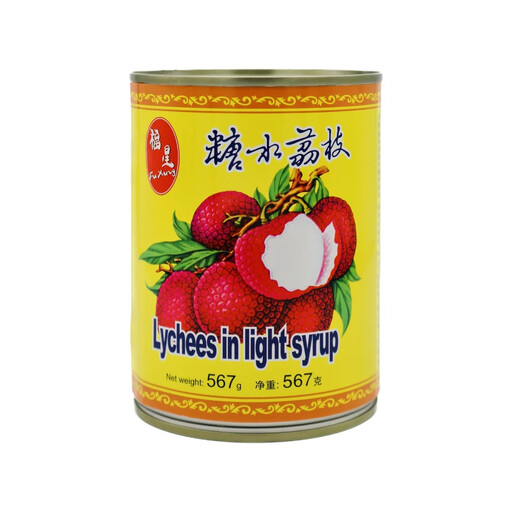 Image unavailable
For a buffet where you want the lychees to stand out. The tin weighs 2.84 kg in total; check its drained net weight to work out how much fruit you’ll have to serve.
 Image unavailable
For making a dessert to share with a mix of fruit. The stated size is 850 g; check the drained net weight of this product before working out the portions.
 Image unavailable
The pear halves are ideal for a topping where you want the shape of the fruit to show. The title states 455 g drained; if your recipe calls for a precise amount, check this information on the label of the product you receive.
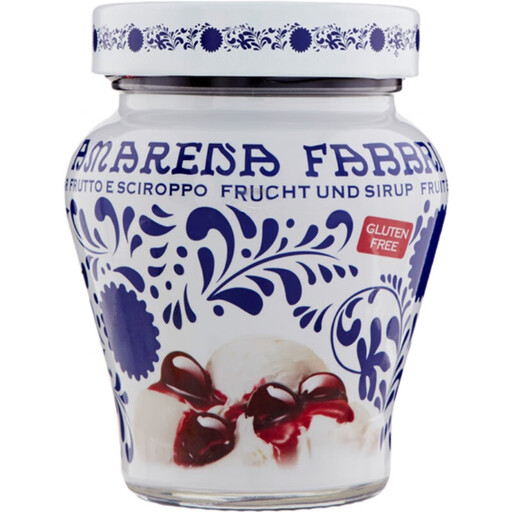 Image unavailable
Worth considering for decorating desserts or bowls with cherries that stand out. The jar contains 230 g in total; check how many cherries it contains and the nutritional information if ingredients matter to you.
 Image unavailable
Mango slices can be used to decorate a dessert or add to a fruit salad. The tin weighs 425 g in total; check the drained net weight to work out how much fruit you can use.
Compare the drained net weight of fruit sold in a packing liquid: this tells you how much fruit is available for your recipe. In France, the Directorate-General for Competition Policy, Consumer Affairs and Fraud Control says this information must appear on the label in these cases.
No. The product may still contain sugars that occur naturally in the fruit. Andros makes this clear for Cœur de Fruits Pêche morceaux, which is labelled ‘no added sugar’; also check the ingredients list and the ‘of which sugars’ line in the nutritional information.
Follow the storage instructions and use-by period stated on the product you’ve bought. For example, the Auchan listing for 250 g ST MAMET lychees says to keep them in the fridge for 3 to 4 days after opening.
Check the product description, ingredients, declared allergens, nutritional information, date and storage instructions. For fruit in a packing liquid, also note the drained net weight to help you plan your portions.