People keeping an eye on added sugars
You’re looking for a portion of fruit that’s ready to take with you, and want to distinguish between no added sugars and no sugars at all.


When choosing fruit in syrup for lunch, fat content isn’t the only thing to consider. Compare the sugars per 100 g, the ingredients and how much you’ll eat. A single-serve pot is easy to take with you, while a larger pack lets you divide the contents between portions, as long as you plan how to store what’s left.
You’re looking for a portion of fruit that’s ready to take with you, and want to distinguish between no added sugars and no sugars at all.
You’re having lunch on your own or away from home. The size of the pots and the drained weight can help you choose a suitable amount.
You can divide a tin between several portions and want to choose an amount of fruit you’ll use without any going to waste.
For lunch, start by checking the recipe and nutritional information per 100 g. Then choose a pack size to suit your portion and where you’ll be eating.
| What to consider | What to check | Who it matters to |
|---|---|---|
| Sugars and recipe | Read the ingredients list, check for a ‘no added sugars’ claim and look at the ‘of which sugars’ line per 100 g. | If I want to avoid added sugars, I also want to know how much sugar the product contains. Around 50% of consumers may put this distinction at the top of their list. |
| A portion to take with you | Compare the contents of each pot and, when the fruit is in a covering liquid, check the drained net weight. | When I’m having lunch away from home, I’d rather take an easy-to-carry portion than serve myself from a large tin. This may be a priority for around 30% of consumers. |
| An amount to share | Check the drained net weight and the storage instructions for the product once opened. | If I’m planning several portions, I want to be able to divide up the fruit and use what’s left. Around 20% of consumers may make this their main criterion. |
This figure tells you neither how much sugar the product contains nor how much you’ll eat. Fruit in syrup can be low in fat and still contain sugars.
Compare the nutritional information per 100 g, then consider how much you’ll serve for lunch.
‘No added sugars’ doesn’t rule out naturally occurring sugars. Carrefour makes this clear for its St Mamet cocktail fruit pot.
Check the ‘of which sugars’ line for the exact product, even when this claim appears on the front of the pack.
A tin of fruit in liquid includes the liquid too, so its total weight isn’t the same as the weight of the drained fruit.
Check the drained net weight on the label before comparing pots and tins of different sizes.
A brand may offer fruit in juice, light syrup or with a ‘no added sugars’ claim. These descriptions don’t mean the ingredients are interchangeable.
Check the specific product, its ingredients list and nutritional information before choosing.
The brand offers, among other things, fruit pots and fruit salads labelled ‘no added sugars’.
This own-brand range includes a peach and pear cocktail in grape juice made from concentrate, labelled ‘no added sugars’.
E.Leclerc’s Marque Repère range includes fruit in light syrup, pineapple in pineapple juice and a choice of pack sizes.
Aldi sells pots of fruit in light syrup under this brand.
These tins and jar of fruit in syrup are suited to a lunch where you choose your own portion size. To compare them, check the recipe and nutritional information for the exact product: ‘light syrup’ on its own doesn’t mean there are no added sugars.
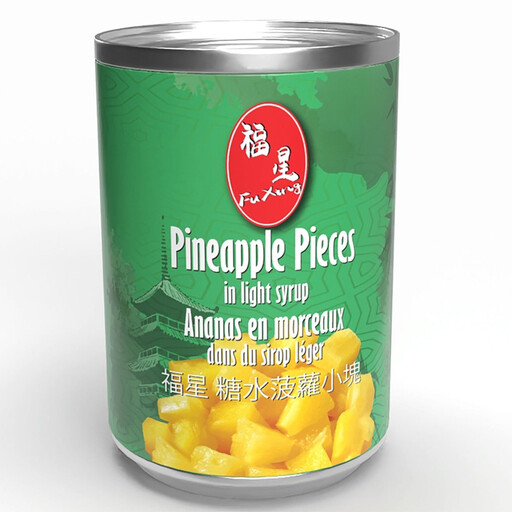 Image unavailable
This tin is a good choice if you’re planning to serve the pineapple pieces over several portions. It contains 260 g of drained fruit. The recipe includes sugar, which is worth noting if you’re looking for a product with no added sugars.
 Image unavailable
This tin can be divided between several portions. The recipe contains sugar, so if added sugars are a factor in your choice, check the ingredients and drained net weight on the pack.
 Image unavailable
This tin may suit you if you’d like to divide the rambutans into portions. The syrup contains sugar. To compare the amount of fruit with another tin, check its drained net weight.
 Image unavailable
This larger pack is ideal for sharing or serving several portions. Its ingredients include sugar, so don’t confuse it with a St Mamet product labelled ‘no added sugars’. Check the drained net weight before comparing pack sizes.
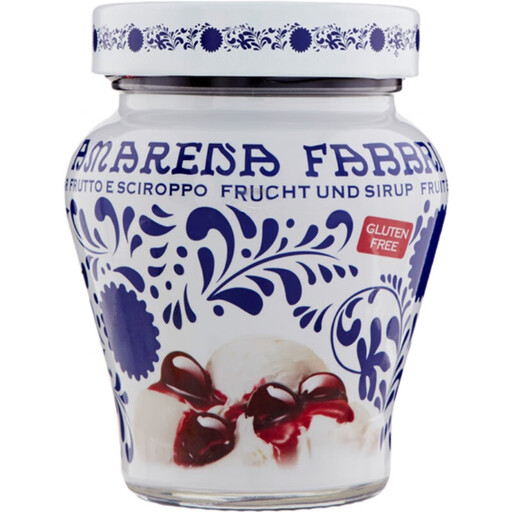 Image unavailable
This jar lets you serve as many Amarena cherries as you like. The preparation contains sugar and glucose syrup. If you’re comparing the sugar content of different recipes, check the values per 100 g and the storage instructions after opening.
No. Naturally occurring sugars may still be present. Carrefour makes this clear for its St Mamet cocktail fruit pot. Check the ‘of which sugars’ line to see the declared value for the product you’re buying.
First compare the values per 100 g, particularly fat, carbohydrates and sugars, then take into account how much you’ll serve. The Directorate-General for Competition, Consumer Affairs and Fraud Control states that nutritional declarations are given per 100 g or 100 ml.
It shows the amount of product once the covering liquid has been drained, helping you compare the fruit in different pack sizes. The Directorate-General for Competition, Consumer Affairs and Fraud Control states that this weight must be shown when a food is presented in a covering liquid.