People keeping an eye on fat
You’re looking for store-cupboard fruit to suit a low-fat diet and want to compare the fat content per 100 g. If products use different bases for their figures, check whether the values are for drained fruit.


When choosing fruit in syrup as part of a low-fat diet, compare the ‘fat’ figures per 100 g on a like-for-like nutritional basis: ‘light syrup’ alone isn’t enough. If you’re also keeping an eye on added sugars, check the recipe and total sugars. For the pack size, choose between a tin and individual pots according to how much you’ll use after opening.
You’re looking for store-cupboard fruit to suit a low-fat diet and want to compare the fat content per 100 g. If products use different bases for their figures, check whether the values are for drained fruit.
You want to distinguish fat content from the ingredients in the syrup or juice. A ‘no added sugar’ recipe can still contain sugars that occur naturally in the fruit and juice.
You’re deciding between a tin to open for several portions and individual pots. How much you’ll use after opening matters just as much as the pack size shown on the packaging.
Start with the nutritional values for the exact recipe, then check the ingredients and pack size. A fat figure and a ‘no added sugar’ claim answer two different questions.
| Criterion | What to check | Who it matters to |
|---|---|---|
| Fat | The value per 100 g and the basis used, particularly whether the fruit is drained. | If my main priority is a low fat content, I want to be able to compare the figure shown before choosing a tin. Around 42% of consumers make this their priority. |
| Added sugars | The recipe claim, the ingredients list and the ‘of which sugars’ figure per 100 g. | I may want to avoid added sugar without assuming the fruit and its juice contain no sugar at all. This distinction comes first for around 33% of consumers. |
| Pack size and leftovers | The drained net weight, the portions you plan to serve and the instructions for after opening. | If I eat fruit on my own or in small amounts, I want to choose a pack whose contents I can use. Pack size is the main priority for around 25% of consumers. |
‘Light syrup’ describes the recipe for the liquid the fruit is packed in, while ‘no added sugar’ refers to whether sugars have been added. Neither claim, by itself, tells you how much fat or total sugar the product contains.
Check the fat, the ‘of which sugars’ figure and the ingredients list separately for the product you’re considering.
Nutri-Score doesn’t replace the precise figures you want to compare, particularly the fat and sugar values per 100 g.
Check the nutritional table and ingredients for the exact product, then make sure the units and comparison bases match.
How long and how to store a product after opening depends on the specific product. The Joybuy listing for St Mamet’s 850 g fruit cocktail says to keep it in a suitable container in the fridge for 3 to 4 days after opening; this guidance doesn’t apply to every tin.
Follow the label on the product you buy and consider how much you’ll be able to use within the stated time.
Carrefour sells tinned fruit cocktail in syrup and individual pots of fruit cocktail with no added sugar under this brand.
This E.Leclerc brand includes a 500 g tin of fruit cocktail in light syrup.
The brand offers a range of tinned fruit recipes, including a no-added-sugar product listed by Auchan and fruit in syrup.
Auchan’s range includes tins and individual pots of fruit in light syrup.
Aldi stocks this brand’s 330 g pack of fruit cocktail in light syrup.
These tinned fruits in syrup offer a choice of fruit and pack sizes for your store cupboard. To compare them as part of a low-fat diet, check the fat and sugar figures for each product, as well as the basis used for its values per 100 g.
 Image unavailable
Worth considering if you’d like to serve pear halves and plan how much drained fruit you’ll use.
To compare the fat and sugar content with another tin, check the label to see what the values per 100 g refer to.
 Image unavailable
This size may suit you if you plan to use less drained fruit than you’d get from a large tin.
Compare the fat and sugar values per 100 g on the same nutritional basis as the other products you’re considering.
 Image unavailable
Worth considering if you’re looking for tinned rambutans to serve as a dessert.
The stated pack size is 565 g. Check the fat, sugars and the basis for the nutritional values per 100 g separately.
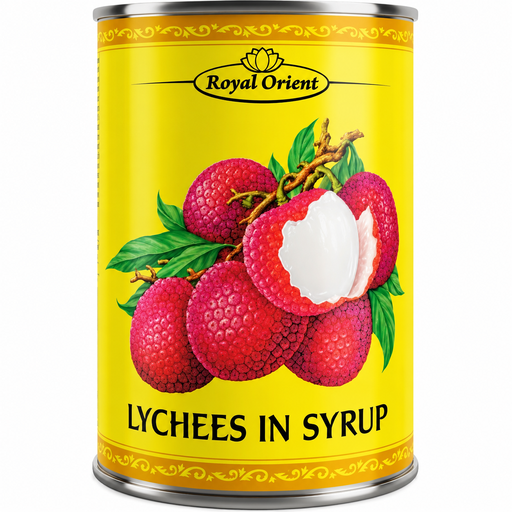 Image unavailable
This tin may suit you if you’d like to use lychees in a dessert or as a topping.
The stated pack size is 567 g. Check the fat and sugar figures on the label before comparing it with other products.
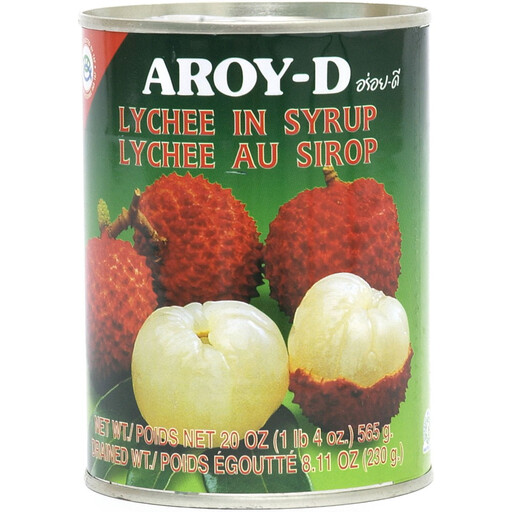 Image unavailable
Worth considering if you want tinned lychees and can plan to use the contents after opening.
The stated pack size is 565 g. To choose according to your nutritional priorities, check the fat, sugars and the basis used to calculate the values per 100 g.
No: check the fat per 100 g for the exact product. E.Leclerc lists 0.1 g per 100 g of drained product for its Douceur du Verger fruit cocktail, while Auchan lists less than 0.5 g per 100 g for a St Mamet product with no added sugar. Compare the basis used for each value too.
No: fruit and juice can contain naturally occurring sugars. Auchan lists 12 g of sugars per 100 g for its St Mamet product with no added sugar; check the ‘of which sugars’ figure as well as the claim on the packaging.
Follow the instructions for the product you’ve bought rather than relying only on the date printed on the unopened tin. The Joybuy listing for St Mamet’s 850 g fruit cocktail says to keep it in a suitable container in the fridge for 3 to 4 days after opening; this guidance applies to that product only.
Choose according to how much fruit you plan to eat after opening. A tin can provide several portions, while individual pots let you open one portion at a time. Compare the drained net weight and storage instructions for each product.