If you’re making several portions
For a large tart or several desserts, compare the drained fruit weight with the amount you need. Also think about how you’ll use the leftovers before opening a large tin.


For a tart or decoration where the fruit needs to remain visible, choose halved fruit or slices. For a filling to mix in, pieces or a fruit cocktail may be more suitable. Then check the drained net weight, how much the recipe needs and the instructions for once opened. A larger pack is only worthwhile if you can use up the leftovers.
For a large tart or several desserts, compare the drained fruit weight with the amount you need. Also think about how you’ll use the leftovers before opening a large tin.
A tart with visible fruit, a layered dessert and a fruit compote may not need the same presentation. Check whether the recipe calls for halved fruit, slices or pieces.
If the covering liquid or sugar content matters to your recipe, check the ingredients and nutritional information for the product you choose. To avoid leftovers going to waste, check the instructions for once opened.
Start with the cut your recipe calls for, then check how much fruit you can use and how to store the pack you’ve chosen.
| What to consider | What to check | Who is this for? |
|---|---|---|
| Usable quantity | Compare the drained net weight with the amount specified in the recipe, then consider whether you’ll use the leftovers. | When I’m making several portions, I want enough fruit for the filling without opening a tin that I’ll only partly use. Around 42% of consumers put having a usable quantity first. |
| Fruit cut | Look for halved fruit, slices, pieces or fruit cocktail, depending on the finish you want. | For a tart with visible fruit, I’d rather arrange it as planned than have to adapt the recipe after buying. The right cut is the top priority for around 33% of consumers. |
| Liquid and storage | Check the ingredients, sugars per 100 g and the instructions for once the specific product has been opened. | If I want to keep an eye on the ingredients or avoid wasting an opened tin, this information matters more than the pack size. Around 25% of consumers prioritise ingredients and managing leftovers. |
Some of the weight comes from the covering liquid. The size of the container alone doesn’t tell you how much fruit you’ll have to top your bake.
For fruit packed in liquid, compare the drained net weight on the label with the amount your recipe calls for. The DGCCRF states that this weight must appear on the label.
Halved fruit can remain visible on a tart, while pieces can be mixed into a filling but won’t create the same look.
Decide how you want the fruit to look before buying, and check the cut shown on the product.
Instructions vary by product: Auchan says to use its exotic fruit mix within two days of opening, while the St Mamet cocktail featured on Joybuy says three to four days.
Follow the instructions for the specific product, especially those about the container and refrigeration.
Terms such as ‘in juice’, ‘in light syrup’ and ‘no added sugars’ don’t tell you the product’s total sugar content on their own.
Check the ingredients and nutritional information, including sugars per 100 g, if this affects your recipe.
The Carrefour Classic' range includes peaches, pears, apricots, fruit cocktails and pineapple, in syrup or juice depending on the product.
E.Leclerc’s ECO+ range includes tins of peaches, pears, apricots, fruit cocktail and pineapple.
This E.Leclerc Marque Repère range offers tins and individual pots of fruit in syrup.
Auchan offers peach halves in light syrup for compotes, layered desserts and tarts, as well as an exotic fruit mix.
ALDI’s range includes a BACCARA® fruit cocktail and MARTIN'S® pears in syrup.
These products suit a range of home baking needs: fruit to arrange on a dessert, cocktail to mix into a filling or fruit for a specific decoration. Start by choosing the shape and quantity you need, then check the details for each product.
 Image unavailable
The pear halves are a good choice for recipes where you want the fruit’s shape to remain visible. The weight shown is the drained weight; check the product for storage instructions once opened.
 Image unavailable
The slices can be arranged on a dessert without having to cut up the fruit first. If your recipe calls for a specific amount of mango, check the drained weight on the packaging.
 Image unavailable
This larger pack of fruit cocktail may suit a filling that combines several fruits. Check which fruits it contains, the drained weight and how much your recipe will use.
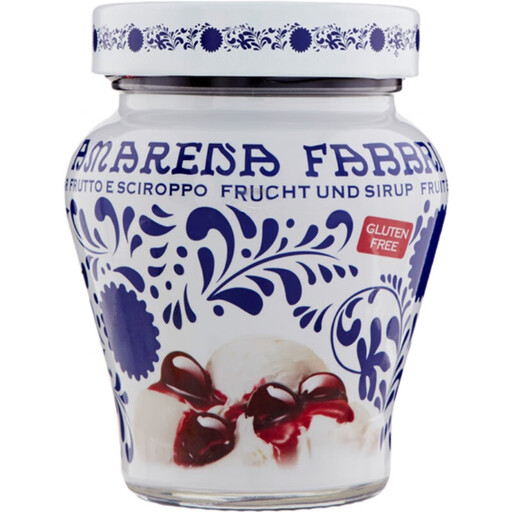 Image unavailable
This size is well suited to recipes that call for cherries to decorate a cake or dessert. Check the label for ingredients and storage instructions once opened.
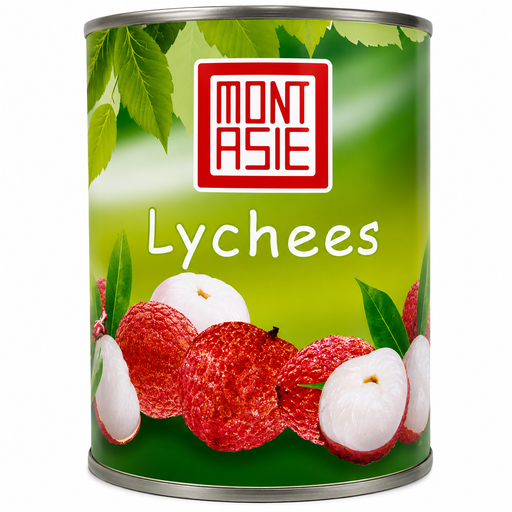 Image unavailable
These lychees can be used in a dessert recipe that calls for the fruit. Check how they’re presented and the drained weight if you need a specific amount to arrange on your dessert.
If the fruit is packed in liquid, check the drained net weight: this tells you how much fruit there is once drained. The DGCCRF says this weight must appear on the label in this case. Compare it with the amount your recipe calls for.
No. These terms describe different characteristics and don’t tell you the total sugar content on their own. Check the ingredients and the sugars per 100 g in the nutritional information for the product you choose.
Follow the storage instructions and use-by period given for the specific product. For example, Auchan says to keep its exotic fruit mix in an airtight container in the fridge and use it within two days, while the St Mamet cocktail featured on Joybuy says three to four days in a suitable container in the fridge.