For an evening get-together, choose the format to suit your dessert: individual pots for serving one person, a fruit cocktail for putting together several dessert glasses, or fruit halves for a tart or layered desserts. A polished presentation depends more on the fruit itself, its shape and the drained weight than on a promise of “luxury”. If you’re looking for a recipe with no added sugars, check the ingredients and nutritional information too: this claim does not mean “sugar-free”.
Who are these formats for?
Hosts who take care with presentation
To add visual appeal to a dessert glass or layered dessert without preparing every piece of fresh fruit, check which fruits are in the mix, the shape of the pieces and the serving format. A fruit cocktail and an exotic fruit mix won’t necessarily create the same look: check the ingredients to find the right option for your dessert.
People preparing a dessert to share
For a tart, layered dessert or fruit compote, fruit halves that you can cut up give you more flexibility than ready-portioned servings. Above all, compare the shape of the fruit and the drained net weight before working out how much you’ll need.
Guests keeping an eye on added sugars
If a recipe with no added sugars is important to you, read the ingredients and check the sugars listed per 100 g. Fruit and juice can contain naturally occurring sugars, even when a product is labelled “no added sugars”.
Which criteria should you prioritise?
When preparing a dessert for an evening get-together, start with the presentation you have in mind, then check the shape and usable quantity of the fruit, as well as the recipe.
| Criterion | What to check | Who is it for? |
|---|
| Presentation and variety |
The fruits actually included, their shape and their proportions, if these are stated. |
If I’m putting together dessert glasses with a variety of fruit, I want to know what’s in the mix rather than relying on its name. Around 36% of consumers rank this presentation need highest. |
| Quantity for baking |
The drained net weight and the shape of the fruit: halves, slices or pieces. |
If I’m making a tart or layered dessert to share, I need enough fruit to arrange or cut up. This usable quantity comes first for around 36% of consumers. |
| Recipe with no added sugars |
The exact claim, the ingredients and the sugars listed per 100 g. |
I want to choose a recipe with no added sugars, while knowing that fruit and juices contain naturally occurring sugars. For around 28% of consumers, this is the top priority. |
Mistakes to avoid
-
Assuming “luxury” guarantees what’s inside
This description doesn’t tell you which fruits will be visible in your dessert or what shape they’ll be.
Choose based on the fruit listed, the shape of the pieces and the recipe you have in mind. Cream or biscuits can complete the presentation, so you don’t need to base your choice of fruit on a marketing promise.
-
Confusing “no added sugars” with “sugar-free”
Carrefour’s fruit cocktails labelled “no added sugars” include fruit and grape juice made from concentrate, among other ingredients. The sugars naturally present in them are still there.
Compare the ingredients and the sugars listed per 100 g in the nutritional information, then take the serving size into account.
-
Counting the entire contents as usable fruit
The covering liquid is part of the container’s contents. The French Directorate-General for Competition Policy, Consumer Affairs and Fraud Control states that the drained net weight must be shown when a food product is presented in a covering liquid.
Plan portions based on this weight, drain the fruit if your recipe calls for it, and follow the product’s storage instructions after opening.
If the drained fruit quantity is too low, you may have to rethink your planned presentation for all your guests.
Brands to consider
St Mamet
The range reviewed includes fruit cocktails, pots with no added sugars and Williams pears.
- These products offer options for both individual servings and desserts made with pears.
- The ingredients and format vary by product, so check the details before choosing one for your recipe.
Carrefour Classic’
The products reviewed include a classic tinned fruit cocktail and small pots with no added sugars.
- Carrefour’s classic fruit cocktail contains peach, pear, pineapple and grape, with a drained net weight of 500 g for this product.
- The small pots are handy for individual servings; if you’re making a dessert to share, compare their drained quantity with that of a tin.
Auchan
The products reviewed include peach halves in light syrup and an exotic fruit mix.
- Auchan recommends its peach halves for compotes, layered desserts and tarts; its exotic fruit mix includes pineapple, papaya and guava.
- Check the ingredients, sugars listed and storage instructions after opening for the product you choose.
Fruit in syrup to create your dessert
These Joybuy products include fruit halves to arrange on a dessert or add to baking, tinned fruit cocktails and cherries in syrup for a finishing touch. Choose a format to suit the number of desserts you’re making and how much fruit you want to include.
 Image unavailable
St Mamet, Williams pear halves in light syrup, 455 g drained
To arrange pear halves in a dessert glass or add them to a dessert, the stated drained net weight is 455 g. Check how well they hold their shape when opened before planning your presentation.
View on Joybuy
 Image unavailable
St Mamet, fruit cocktail in syrup, 850 g
This 850 g tin of fruit cocktail is a handy choice when you’re making several dessert glasses. Check the drained net weight on the packaging before deciding how many portions you’ll get.
View on Joybuy
 Image unavailable
St Mamet, peach halves in light syrup, 230 g drained
For topping a dessert with fruit halves, this product contains 230 g of drained peaches. Bear this quantity in mind if you’re making a tart to share.
View on Joybuy
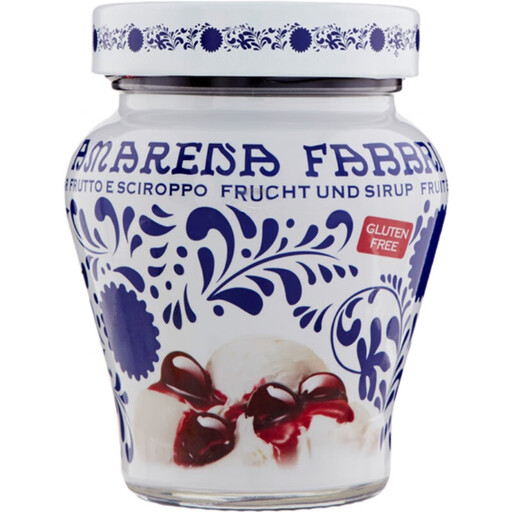 Image unavailable
FABBRI Amarena, Morello cherries in syrup, 230 g jar
If you’re after cherries for a topping rather than a mix of several fruits, this glass jar contains 230 g. Check the drained weight and storage instructions after opening if you’re only planning to use some of it.
View on Joybuy
 Image unavailable
St Mamet, fruit cocktail in syrup, 3 x 125 g
This pack contains three 125 g tins, making it easy to divide the fruit cocktail between several small desserts. Check the drained net weight of each tin to work out your fruit portions.
View on Joybuy
Frequently asked questions
Does “no added sugars” mean “sugar-free”?
No: sugars naturally present in fruit or juice are still there. For the fruit cocktails labelled this way by Carrefour, check the ingredients list and the sugars listed per 100 g rather than relying on the claim on the front of the pack.
Which format should you choose for a tart or layered dessert?
Fruit halves in a quantity suited to your recipe give you room to cut and arrange the fruit. Auchan recommends its peach halves in light syrup for tarts and layered desserts; check the drained weight and drain the fruit as needed for your recipe.
Why check the drained net weight rather than the weight of the container?
The drained net weight helps you work out how much fruit you’ll have once the covering liquid has been removed. The French Directorate-General for Competition Policy, Consumer Affairs and Fraud Control states that this information is required for a food product presented in a covering liquid; use it to plan your portions.
How long can you keep fruit after opening?
Follow the timeframe and storage conditions given for the product you’ve bought, as these can vary. For example, Auchan’s product information for peach halves says to keep them for two days in the fridge in an airtight container, while its listing for St Mamet Williams pears says three to four days in the fridge in a suitable container.


