For plates where each piece of fruit stands out, choose fruit halves, lychees or morello cherries. A fruit cocktail is better suited to dessert glasses or a sharing dessert, while individual pots save you having to portion it out. For an anniversary dinner, your choice also depends on the drained net weight, ingredients and how much time you have to prepare and serve the dessert.
Who are these formats for?
Hosts who want to make their dessert look special
Whether you’re arranging fruit on a plate, in a glass or on a cake, lychees, morello cherries and fruit halves let you choose where each piece goes. Carrefour and Auchan, for example, stock these different types of fruit.
Hosts who pay attention to ingredients and sugars
If the ingredients matter to your guests, compare the ingredients list and the ‘of which sugars’ figure in the nutritional information, using the same basis of 100 g. Don’t rely on the recipe name alone.
Hosts who want to tailor the portions
To serve the number of guests you’re expecting without creating lots of leftovers, check the drained net weight, any serving information shown on the product and the storage instructions after opening.
What should you check before buying?
First decide whether you’ll serve the fruit on plates, in dessert glasses or in individual portions. Then compare the quantity of drained fruit and the details given for the product you’re considering.
| Criteria |
What to check |
Who this matters to |
| Presentation |
Fruit shape and drained net weight for the planned presentation. |
For a celebration plate, I want to arrange recognisable pieces of fruit rather than serve a ready-made mixture. Around 33% of consumers prioritise presentation above all else. |
| Ingredients |
Ingredients list and ‘of which sugars’ per 100 g. |
When comparing different recipes for my guests, I want to know what’s in them rather than relying on the word ‘light’. Checking the ingredients and sugar content comes first for around 27% of consumers. |
| Amount to serve |
Drained net weight and the number of servings shown, if stated on the product. |
Whether I’m serving a small table or making a sharing dessert, I want to prepare enough fruit without opening an unnecessarily large tin or jar. Around 20% of consumers prioritise getting the portions right. |
| Serving arrangements |
Portion format and storage instructions after opening. |
If I’m preparing dessert in advance, I want to be able to plan the serving and store any leftovers as directed on the product. Around 20% of consumers prioritise this convenience. |
Mistakes to avoid
-
Working out portions from the total weight
The weight of a container includes the liquid the fruit is packed in. The DGCCRF states that the drained net weight must be shown for products presented in this kind of liquid. This is the figure that helps you work out how much fruit you’ll have to serve.
Compare the drained net weights, then adjust the quantity depending on whether the fruit will be a garnish, served in dessert glasses or make up the main dessert.
-
Choosing based only on ‘light’ or ‘no added sugars’
These claims don’t replace comparing the ingredients of the exact products you’re considering. The DGCCRF states that nutritional information is given per 100 g or 100 ml.
Before choosing between two fruit-in-syrup products, read the ingredients list and check the ‘of which sugars’ figure per 100 g.
-
Opening a large container too early
For the St Mamet fruit cocktail sold by Auchan, the instructions say to transfer the product to a suitable container after opening and keep it in the fridge for 3 to 4 days. Instructions may differ for other products.
Plan when you’ll open it and follow the instructions on the packaging you buy, especially if you’re preparing dessert in advance.
-
Building your dessert around a single product
Availability can vary depending on the product and where you shop. This matters especially if your planned presentation relies on fruit halves or a particular garnish.
Check that the product you plan to serve is available and, if needed, choose an alternative fruit that works for the same style of presentation.
Brands and retailers to consider
St Mamet
Fruit cocktails and fruit halves give you options for both sharing desserts and individually plated treats.
- The 850 g cocktail sold by Auchan is listed as serving five and containing 0,5 kg of drained fruit, useful details when preparing several dessert glasses.
- Check the exact product before choosing a format or fruit for your dessert.
Carrefour Classic'
The range includes several types of fruit in syrup, including fruit cocktails and pitted lychees.
- You can choose between individual fruits and a mixture to suit the way you want to serve them.
- Compare the drained weight and ingredients of the product you choose; you can’t tell these from the type of fruit alone.
Auchan
The retailer stocks different formats of fruit in syrup, including lychees and St Mamet products.
- These formats let you compare fruit to arrange individually with mixtures for dessert glasses.
- Check the details and availability of the product you want, depending on how you plan to shop.
Baccara
Aldi stocks Baccara fruit pots for a ready-portioned serving.
- The 280 g format listed by Aldi is worth considering if you’d rather not portion the fruit out at dessert time.
- Check the number of pots and what they contain if you want to create each plate yourself.
Fruit in syrup to create your dessert
This selection from Joybuy includes fruit halves and lychees to arrange individually, a cocktail for dessert glasses and cherries for a garnish. Choose according to how you plan to use the fruit in your dessert, then check the usable quantity on the product you select.
 Image unavailable
St Mamet Williams pear halves in light syrup, 455 g drained weight
Halved fruit to arrange on a plate or on a cake. The product title gives a drained weight of 455 g; check the packaging to work out how many portions you can serve.
View on Joybuy
 Image unavailable
St Mamet peach halves in light syrup, 230 g drained weight
Another type of halved fruit for topping plates or a cake. The product title gives a drained weight of 230 g; check the amount shown on the packaging before portioning it out.
View on Joybuy
 Image unavailable
St Mamet fruit cocktail in syrup, 850 g
A mix of peach, pear, pineapple and grapes for dessert glasses or a sharing dessert. The stated format is 850 g, including the liquid; check the drained net weight of this product to work out how much fruit you’ll have to serve.
View on Joybuy
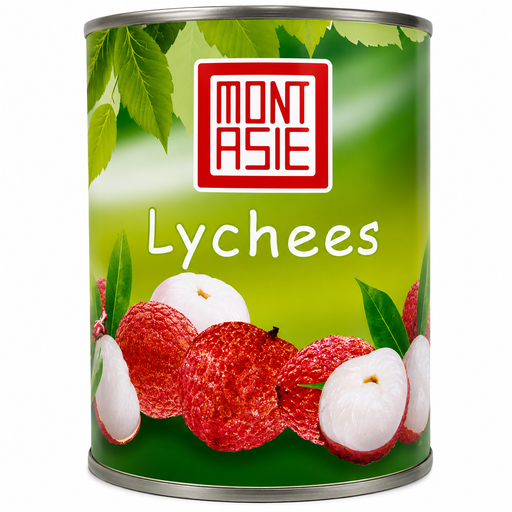 Image unavailable
Mont Asie lychees in syrup, 567 g
Lychees to add to dessert glasses or arrange individually. The 567 g refers to the format stated in the product name; check the drained net weight on the packaging to estimate the number of portions.
View on Joybuy
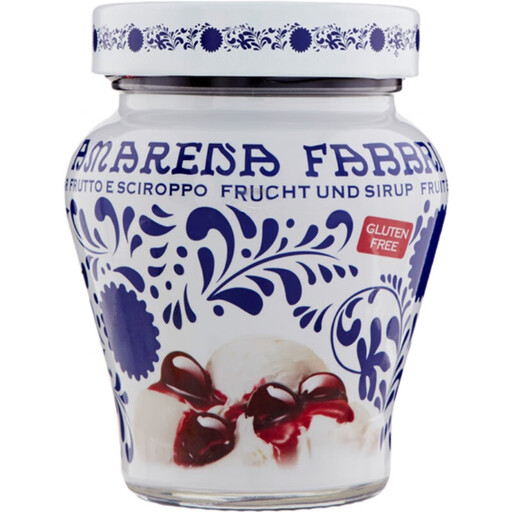 Image unavailable
Fabbri Amarena cherries in syrup, 230 g jar
Cherries to use as a visible topping on a dessert glass or cake. The jar is listed as 230 g; check the drained net weight and storage instructions after opening on the packaging to plan how much fruit you’ll need and how to store any leftovers.
View on Joybuy
Frequently asked questions
Fruit halves, cocktail or individual pots: what should you choose for dinner?
Choose fruit halves or individual pieces if you want to create each plate, a fruit cocktail to fill dessert glasses, or individual pots if you’d rather not portion the fruit out. The number of guests and the part the fruit plays in the dessert will help you decide which format to choose.
Why compare the drained net weight?
The drained net weight helps you estimate how much fruit you’ll have, without counting the liquid it’s packed in. The DGCCRF states that this quantity must be shown when a product is presented in this kind of liquid. It helps you prepare portions for your dessert glasses or plates.
Does ‘no added sugars’ mean the product is low in sugar?
No. This claim on its own doesn’t tell you the product’s total sugar content. To compare two products, read their ingredients lists and check the ‘of which sugars’ figure in the nutritional information per 100 g.
How long can you keep fruit in syrup after opening?
Follow the storage time and conditions given for the product you buy. For the St Mamet fruit cocktail sold by Auchan, the instructions say to transfer it to a suitable container and keep it in the fridge for 3 to 4 days after opening.
Is tinned fruit unsafe to eat after its best-before date?
No. A best-before date does not mean the same thing as a use-by date. Anses explains that a product may lose some of its qualities after its best-before date; check the exact wording, the condition of the packaging and the manufacturer’s instructions.


